Navigating the labyrinth of selecting an appropriate t-shirt supplier within Malaysia’s burgeoning textile industry is a complex endeavor that demands both precision and discernment. The decision is not merely transactional; it is strategic, with long-term implications for your brand’s quality, sustainability, and profitability. This comprehensive guide elucidates the multifaceted considerations inherent in this selection process, ensuring your enterprise aligns with a supplier that meets its nuanced requirements.
malaysian_textile_factory( “A bustling textile factory in Malaysia showcasing advanced machinery and skilled workers”)
Malaysia, renowned for its robust manufacturing infrastructure, offers a plethora of options for t-shirt production. The country’s textile industry is characterized by its integration of cutting-edge technology and adherence to international quality standards, making it a competitive player on the global stage. As such, selecting a t-shirt supplier here demands an appreciation of both macroeconomic factors and sector-specific dynamics.
The first criterion in selecting a t-shirt supplier involves an in-depth evaluation of the supplier’s expertise and manufacturing capabilities. This encompasses an analysis of their technological infrastructure, the breadth of their manufacturing processes, and their proficiency in executing complex designs and customizations.
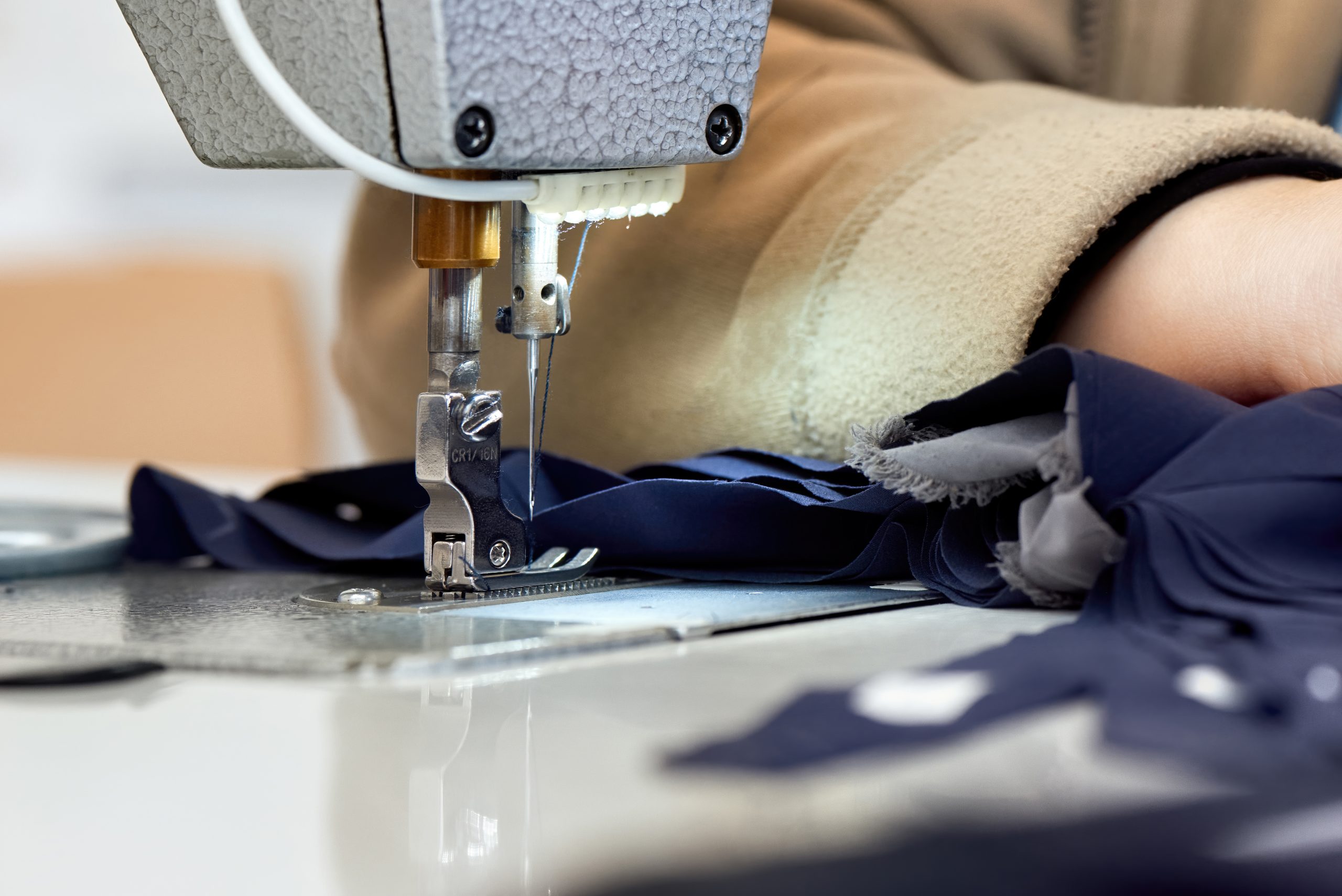
A supplier equipped with state-of-the-art machinery is more likely to deliver consistent quality and accommodate large-scale orders. Investigate whether the supplier employs automated cutting machines, digital printing technologies, and advanced sewing equipment. The integration of such technology not only augments efficiency but also enhances precision in the production process.
Examine the supplier’s end-to-end manufacturing processes. A reputable t-shirt supplier should exhibit competence in various printing techniques, including screen printing, sublimation, and embroidery. Each of these techniques has specific applications and cost implications, thus understanding them is crucial to making an informed decision.
The implementation of rigorous quality assurance protocols is non-negotiable when selecting a t-shirt supplier. A supplier’s commitment to quality is evidenced by their accreditation to international standards such as ISO 9001 and their adherence to environmental certifications like OEKO-TEX Standard 100.
Query the supplier’s inspection and testing procedures. A robust quality control system will incorporate both in-process inspections and final product evaluations, ensuring defects are minimized and product specifications are consistently met.
The provenance of materials used in t-shirt manufacturing is another critical consideration. Opt for suppliers who source materials from reputable vendors and can provide transparency in their supply chain. This is particularly pertinent if your brand emphasizes sustainability and ethical sourcing.
communication_with_supplier( “A business professional communicating with a supplier via video call, highlighting the importance of effective communication”)
Effective communication is the cornerstone of a successful supplier relationship. Evaluate the supplier’s responsiveness and willingness to engage in open dialogue. This includes their capacity to provide detailed quotations, clarify technical specifications, and address potential issues proactively.
Given Malaysia’s multicultural landscape, ensure that communication barriers do not impede the flow of information. A supplier that demonstrates proficiency in your preferred language and exhibits cultural sensitivity will facilitate smoother interactions and negotiations.
Price, while critical, should not be the sole determinant in your supplier selection. A comprehensive evaluation of the supplier’s cost structure, including hidden charges and payment terms, is essential.
Ensure that the supplier provides a transparent breakdown of costs, covering materials, labor, and shipping. Beware of suppliers who offer significantly lower prices than their competitors, as this may indicate compromises in quality or hidden fees.
Assess the financial stability of the supplier, as this will impact their ability to scale operations and fulfill long-term contracts. Request financial statements or credit reports to gain insights into their fiscal health and operational viability.
A supplier’s reputation within the industry serves as a barometer of their reliability and performance. Conduct thorough due diligence by seeking references and reviewing testimonials from previous clients.
Suppliers that have garnered industry awards or recognition typically demonstrate excellence in service and innovation. While accolades are not the sole indicator of quality, they can provide additional assurance of the supplier’s capabilities.
Request case studies or client references to gain a clearer picture of the supplier’s operational history and customer satisfaction levels. Engaging with past clients can provide valuable insights into the supplier’s strengths and potential areas for improvement.
strategic_partnership_discussion( “A business meeting discussing strategic partnerships and long-term collaborations”)
Finally, consider the strategic alignment between your business and the supplier. A supplier that shares your vision and values will be more invested in the success of your collaboration.
Select a supplier that demonstrates a commitment to innovation and adaptability in the face of market changes. This is particularly crucial in the fast-paced fashion industry, where trends and consumer preferences evolve rapidly.
Evaluate the potential for a long-term partnership with the supplier. A supplier that is willing to collaborate on product development and offer insights into emerging market trends can be an invaluable ally in achieving sustained growth.
In conclusion, the process of selecting a Malaysian t-shirt supplier is an intricate undertaking that requires careful consideration of numerous factors, from technological capabilities to financial stability and strategic alignment. By conducting a thorough evaluation of potential suppliers and engaging in due diligence, you can secure a partnership that not only meets your immediate needs but also supports your long-term business objectives. An informed selection will ultimately enhance your brand’s reputation, ensure product quality, and drive competitive advantage in the dynamic apparel market.
Find more about: