In the fast-paced world of food manufacturing, efficiency is key. Companies face complex challenges daily. From managing supply chains to ensuring quality control, the tasks are endless.
Enter ERP solutions. These systems integrate various business processes into one streamlined platform. They offer a way to optimize operations and improve productivity.
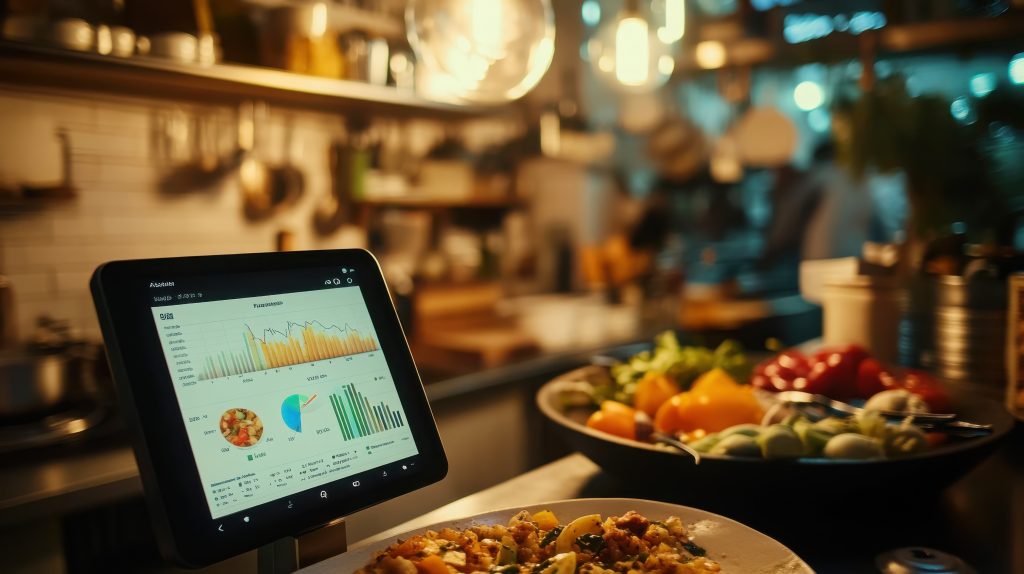
ERP systems are not just about technology. They are about transforming how businesses operate. They provide real-time data and insights for better decision-making.
For food manufacturers, ERP solutions can be a game-changer. They help manage everything from inventory to compliance, ensuring smooth operations.
Understanding Food Manufacturing ERP
Food manufacturing ERP systems are tailored to meet industry-specific needs. They go beyond basic business functions. Instead, they address the unique challenges faced by food manufacturers daily.
ERP solutions integrate various processes into one platform. This includes everything from supply chain management to quality assurance. By doing so, they enhance efficiency across departments.
Key components of food manufacturing ERP might include:
- Production planning and scheduling
- Inventory and warehouse management
- Quality control and compliance tracking
These systems provide a centralized database. This centralization leads to streamlined operations. It ensures that all departments have access to the same real-time information, which helps in making informed decisions quickly.
Key Benefits of ERP in the Food Industry
ERP systems bring several advantages to the food industry. Streamlined operations are a significant benefit. By integrating diverse functions, these systems reduce operational complexity and redundancy.
Another key benefit is improved traceability and compliance. ERP software helps in tracking every ingredient throughout the supply chain. It ensures that all standards are consistently met.
With enhanced production planning, businesses can reduce downtime and waste. ERP systems provide tools that help in forecasting demand and optimizing schedules. This leads to cost efficiency and improved productivity.
The benefits of ERP in the food industry include:
- Better supply chain visibility
- Enhanced inventory management
- Real-time data insights for faster decision-making
Furthermore, these systems can improve relationships across the supply chain. Better communication with suppliers ensures a more responsive and flexible operation. This can lead to increased customer satisfaction and loyalty, ultimately fostering business growth.
Core Features of Food Industry ERP Systems
Food industry ERP systems come packed with essential features. These features support various facets of manufacturing and distribution. Each feature aims to enhance efficiency and maintain compliance.
Production planning and scheduling tools are critical. They allow for real-time adjustments and insights. This capability minimizes production downtime and maximizes throughput.
Quality control is another core feature. ERP systems enable consistent monitoring and reporting. This helps in maintaining high standards and improving product quality.
Inventory management is also enhanced with ERP systems. Real-time inventory tracking reduces stockouts and overstock situations. This ensures that inventory costs are kept under control.
Key features of food industry ERP systems include:
- Production Planning and Scheduling
- Quality Control and Reporting
- Inventory Management
- Compliance Management
Additionally, ERP systems integrate seamlessly with existing systems. This compatibility ensures a smooth transition and supports long-term scalability. Businesses can thus adapt quickly to market changes and new challenges.
Addressing Industry Challenges with ERP
The food industry faces numerous challenges. From managing complex supply chains to ensuring product safety, the hurdles are many. ERP systems address these challenges with integrated solutions.
One significant challenge is maintaining product traceability. ERP solutions enhance traceability by tracking ingredients through every production stage. This ensures transparency and aids in product recalls if needed.
Furthermore, managing compliance with food safety regulations is crucial. ERP systems keep businesses updated with the latest compliance requirements. This helps in avoiding costly penalties and protecting brand reputation.
ERP systems solve industry challenges by:
- Improving traceability
- Ensuring compliance
- Enhancing operational efficiency
By tackling these core issues, ERP solutions transform challenges into manageable tasks. This ultimately leads to more resilient food manufacturing operations.
Ensuring Compliance and Traceability
In the food industry, compliance is not optional. ERP systems ensure businesses meet stringent regulations consistently. They automate compliance processes, making it easier to adhere to evolving standards.
Traceability is equally vital. ERP solutions provide real-time data tracking from raw materials to finished goods. This visibility helps in quickly tracing any issues that arise, safeguarding consumer trust.
Through robust tracking and compliance management, ERP systems:
- Automate regulatory adherence
- Offer real-time traceability
- Enhance consumer safety
By integrating these tools, food manufacturers strengthen their operations. This leads to improved safety, less risk, and better compliance with industry norms.
Steps to Successful ERP Implementation
Implementing an ERP system can be complex, but with the right approach, success is achievable. Begin with careful planning. Assess your current processes and identify areas for improvement.
Next, involve all stakeholders early. Engage them during the selection and customization of the ERP. Their input is crucial for a system that fits well with your unique operations.
Finally, prioritize training and support. Proper training ensures that all users understand how to use the system effectively. Continuous support is key to addressing any issues that arise post-implementation. Key steps to consider include:
- Thorough initial planning
- Early stakeholder involvement
- Comprehensive training programs
By following these steps, food manufacturers can enhance productivity and realize the full benefits of their ERP investments.
Choosing the Right ERP Solution for Your Food Business
Selecting the right ERP for your food business requires careful consideration. Each business has unique needs, so choose a solution that aligns with your specific requirements and challenges.
Evaluate potential ERP systems based on their scalability and customization options. A flexible system can grow alongside your business and adapt to evolving demands. Additionally, assess the ERP vendor’s experience within the food industry. A vendor with industry knowledge can provide insights into best practices and potential pitfalls.
When making your selection, consider the following factors:
- Industry-specific features
- Scalability and customization
- Vendor experience and support
Focusing on these factors ensures that your ERP solution will support your business’s growth and operational efficiency.
Future Trends: ERP and Digital Transformation in Food Manufacturing
The food industry is on the brink of profound digital transformation. ERP systems are playing a central role in this shift, enhancing automation and connectivity. Innovations like AI and machine learning are increasingly integrated into ERP solutions, boosting predictive analytics capabilities.
Looking forward, several trends are shaping ERP systems in food manufacturing:
- Increased use of IoT for real-time data collection
- Greater emphasis on cloud-based ERP solutions
- Enhanced focus on sustainability and resource optimization
These trends are set to transform food manufacturing processes, offering more efficiency and agility in a competitive market.
Conclusion
Incorporating ERP solutions into food manufacturing can profoundly improve efficiency and productivity. By integrating various business processes into a unified system, food manufacturers can reduce costs and increase profitability. The right ERP system can streamline operations, enhance compliance, and boost overall business performance.
As digital transformation continues to evolve, ERP systems will become even more vital. They will support food manufacturers in adapting to new challenges and opportunities. Choosing a tailored ERP solution can give food businesses the competitive edge needed in today’s fast-paced market.
Find more about: