Felt is a versatile material with a rich history. It’s used in fashion, home decor, and industry. But is felt material eco-friendly?
Understanding felt’s environmental impact is crucial for eco-conscious consumers. Felt can be made from natural, synthetic, or recycled fibers. Each type has different eco-friendly attributes.
Natural felt, often made from wool, is biodegradable and renewable. Recycled felt repurposes waste, reducing landfill impact. However, synthetic felt may not be as green.
The production process also affects felt’s eco-friendliness. Sustainable practices can enhance its environmental benefits. Choosing the right type of felt is key to supporting sustainability.
This article explores felt’s eco-friendly aspects. We’ll delve into its types, production, and environmental impact. Let’s discover if felt is truly a sustainable choice.
What is Felt? Understanding the Basics
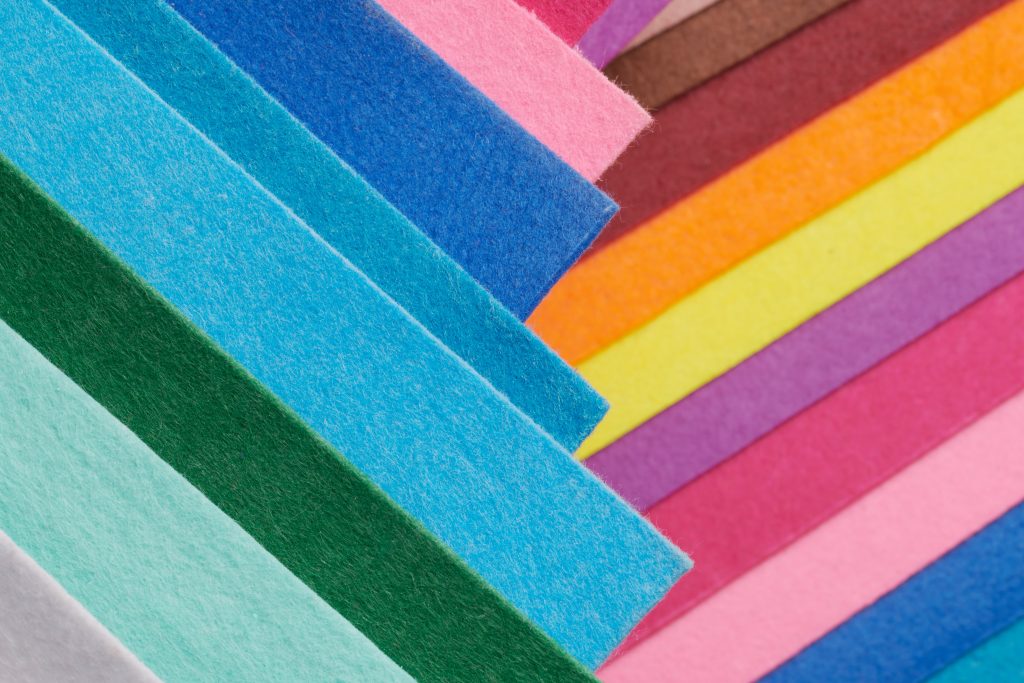
Felt is a unique textile created by compressing fibers. It differs from woven or knitted fabrics due to its non-woven nature. This process results in a durable, versatile material.
The making of felt involves several steps:
- Matting fibers together
- Condensing the fibers into a dense layer
- Pressing them to create solidity
The fibers can come from various sources. They might be natural like wool, or synthetic. Each type provides distinct characteristics and benefits, affecting its eco-friendly status.
Felt has myriad uses. It’s favored for its texture and durability. From fashion items to industrial applications, felt remains a popular choice. Understanding these aspects sheds light on why many consider it eco-friendly.
Types of Felt: Natural, Synthetic, and Recycled
Felt material can be classified into three main types based on its source fibers. These are natural felt, synthetic felt, and recycled felt. Each type has distinct qualities and environmental impacts.
Natural Felt is traditionally made from wool, which is both renewable and biodegradable. This type of felt stands out due to its eco-friendly nature. Wool felt also naturally resists flames and wicks away moisture, adding to its benefits.
Synthetic Felt comes from petroleum-based fibers like acrylic or polyester. Its production often involves chemicals. These contribute to its lower eco-friendly profile compared to wool felt. However, it is still valued for its durability and affordability.
Recycled Felt is crafted from post-consumer materials such as plastic bottles or old textiles. This felt is gaining popularity due to its sustainable production methods. It reduces waste and conserves resources by re-purposing what would otherwise end up in landfills.
Each type of felt serves different needs. They all bring unique features to various applications, influencing their environmental merits.
How is Felt Made? Production Processes and Their Impact
Felt is produced through non-woven processes that involve matting, condensing, and pressing fibers together. This method differs significantly from traditional weaving or knitting. The production of felt uses less water than many other textiles, contributing to its eco-friendly status.
For natural felt, the process is straightforward. Wool fibers are washed and carded to remove impurities. These fibers are then moistened and repeatedly compressed until they bond. This production requires minimal chemicals, making it gentler on the environment.
The creation of synthetic felt involves more industrial processes. Petroleum-based fibers are chemically treated and extruded into a fine mesh. Then, similar compressing and matting steps are applied. The reliance on chemicals is higher, which diminishes its eco-friendliness.
In contrast, recycled felt utilizes waste materials as its source. Post-consumer plastic bottles or old textiles are shredded and reformed. This process reduces resource consumption and waste, highlighting recycled felt as an innovative solution for sustainability.
Is Natural Felt Eco-Friendly?
Natural felt, particularly when made from wool, is lauded for its eco-friendly qualities. Wool is a renewable resource that grows back every year. This makes it an excellent choice for sustainable materials.
One of the greatest advantages of wool felt is its biodegradability. Once discarded, it breaks down naturally, minimizing its impact on the environment. Furthermore, wool’s natural flame resistance means fewer harmful chemicals are needed during its processing.
Additional benefits include:
- Minimal chemical usage during production.
- Lower water consumption compared to synthetic alternatives.
- Natural insulating properties, which boost energy efficiency.
Moreover, the production of wool felt generally leaves a smaller carbon footprint. Choosing local suppliers can reduce transportation emissions. This makes wool felt a conscientious choice for eco-minded consumers seeking durable and sustainable textile options.
The Rise of Recycled Felt: A Sustainable Alternative
Recycled felt is gaining popularity as an eco-friendly textile. It utilizes post-consumer materials like plastic bottles and old textiles. This process effectively reduces landfill waste.
The creation of recycled felt involves a few key steps. First, materials are collected and sorted. Next, they are cleaned and broken down into fibers. Finally, these fibers are processed into felt sheets. This method conserves resources and lowers energy usage compared to producing new textiles.
Benefits of recycled felt include:
- Reducing the amount of waste in landfills.
- Conserving natural resources by reusing existing materials.
- Promoting circularity in textile production.
Innovations continue to drive recycled felt’s development. As consumer demand for sustainable products grows, options for recycled felts are expanding. This rise reflects a broader shift toward environmental responsibility in the textile industry.
Environmental Benefits of Eco-Friendly Felt Material
Eco-friendly felt material offers numerous environmental advantages. It typically uses natural, renewable fibers such as wool, which decompose naturally. This biodegradability ensures less waste in landfills.
Additionally, felt production requires minimal water. Compared to other textiles, the water footprint is relatively low. This conservation is crucial in reducing environmental strain. The durability of felt also contributes to sustainability. Long-lasting products require less frequent replacements, conserving resources.
Some key benefits of eco-friendly felt include:
- Biodegradability reduces landfill waste.
- Low water usage in production conserves resources.
- Durability diminishes the need for repeated manufacturing.
Moreover, the versatile nature of felt supports creative, sustainable solutions. From fashion to home decor, felt’s adaptability serves eco-conscious innovations. This versatility fosters its growing popularity in sustainable markets.
Potential Drawbacks: When Felt Isn’t So Green
While felt has many eco-friendly aspects, not all types meet this standard. Synthetic felts, for example, are often derived from petroleum-based fibers. These materials contribute to pollution and are not biodegradable.
Additionally, the dyeing process of felt can pose environmental challenges. Some dyes release harmful chemicals into the environment. Opting for natural dyes can mitigate this issue.
Key concerns with non-eco-friendly felt include:
- Petroleum-based fibers in synthetic felt.
- Harmful chemicals in synthetic dyes.
- Environmental impact of non-biodegradable materials.
These factors underscore the importance of choosing responsibly produced felt to minimize environmental harm.
How to Choose Truly Eco-Friendly Felt Products
Selecting eco-friendly felt products requires mindful decisions. Look for certifications like GOTS or OEKO-TEX, which ensure sustainable production. These certifications indicate that the felt is made with eco-conscious methods and materials.
In addition, consider the origin of the materials and the production process. Locally sourced felt reduces carbon footprints associated with transport.
To make informed choices, consider the following:
- Check for GOTS or OEKO-TEX certifications.
- Opt for naturally dyed felt.
- Seek locally sourced, sustainable materials.
By focusing on these factors, you can support products that align with eco-friendly principles and reduce environmental impact.
Conclusion: Is Felt Material Eco-Friendly?
Felt can be eco-friendly, but it depends on several factors. Natural and recycled felt, produced sustainably, offer significant benefits. Consider the sourcing and production processes for a clearer picture. By choosing eco-friendly felt options, consumers contribute positively to the environment while enjoying this versatile material.
Find more about: