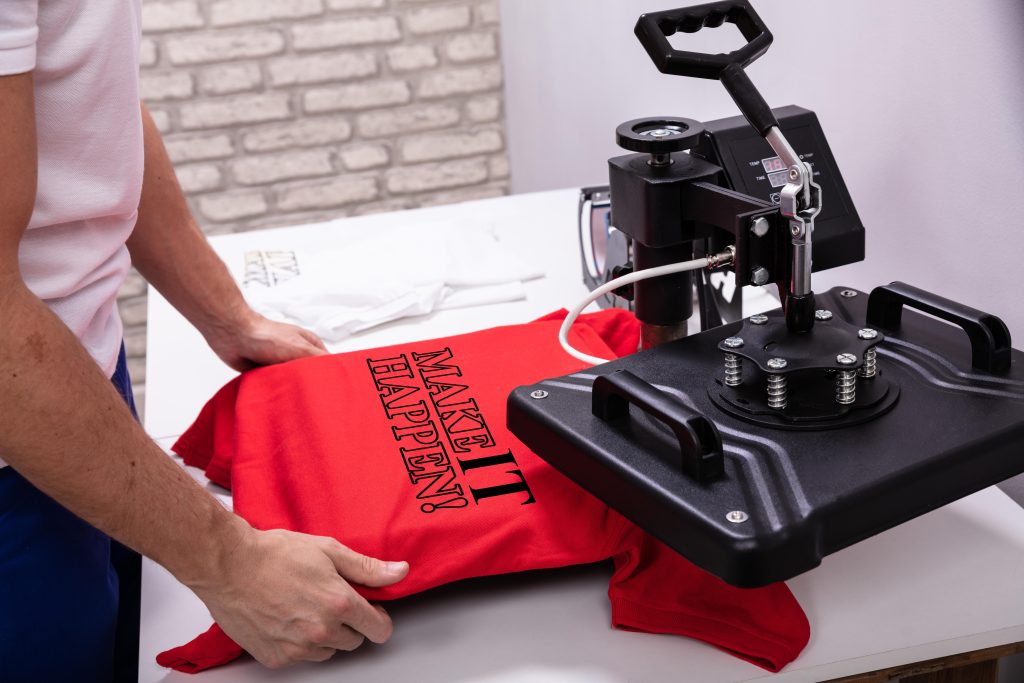
Direct to Garment printing is revolutionizing the textile industry. This digital printing method offers vibrant, full-color designs directly on garments.
It’s perfect for small to medium print runs and complex designs. DTG printing is gaining popularity for its flexibility and eco-friendly nature.
Whether you’re a small business owner or a hobbyist, understanding DTG printing can be beneficial.
This guide will explore the basics, benefits, and considerations of DTG printing. Discover how this technology can enhance your garment printing endeavors.
What is DTG Printing?
DTG printing is a modern digital printing technique used on textiles. It utilizes inkjet technology to print designs directly onto garments. This process allows for precision and vivid colors.
Key characteristics of DTG printing include:
- High-quality, full-color designs
- Digital customization without screens or plates
- Suitability for complex and intricate designs
The technology is ideal for cotton and cotton-blend fabrics. DTG offers versatility and speed, making it popular among businesses and hobbyists alike. It provides an alternative to traditional methods like screen printing.
How Does the DTG Printing Process Work?
The DTG printing process is straightforward yet requires attention to detail. It begins with preparing the design on a computer. This digital process ensures easy customization and modification.
Before printing, garments undergo pretreatment to enhance ink adhesion. This step is crucial for achieving vibrant, durable prints.
The garment is then placed in the DTG printer. Here, the inkjet technology comes into play, printing the design directly onto the fabric.
Key steps in the DTG printing process include:
- Design preparation
- Garment pretreatment
- Printing
- Curing the print
Curing is the final step, sealing the ink onto the garment. This ensures longevity and vivid colors, ready for wear or sale.
Step 1: Design Preparation
Prepare the design using compatible software. Ensure it’s high-resolution for best results. Key points include:
- Using vector graphics for scalability
- Adjusting colors for vibrancy
- Checking design size and placement
Step 2: Garment Pretreatment
Apply a special pretreatment solution to the garment. This step improves ink adhesion.
Remember these tips:
- Apply evenly across the fabric
- Use appropriate tools for application
- Allow time for drying before printing
Step 3: Printing on the Garment
Load the pretreated garment into the DTG printer. This part of the process is automated. The printer applies the design with precision.
Step 4: Curing the Print
Curing is the final, crucial step. The garment is subjected to heat, fixing the ink in place. This enhances durability and ensures the design withstands wash and wear.
Key Benefits of DTG Printing
DTG printing offers exceptional quality with vibrant, full-color prints. This makes it ideal for intricate designs. Customers appreciate the detailed and precise output.
The technology supports on-demand printing, reducing inventory needs. It’s perfect for custom orders and small print runs. Businesses benefit from its flexibility and efficiency.
Key benefits include:
- Eco-friendliness compared to screen printing
- Quick turnaround times
- Versatility in design and garment types
Moreover, DTG printing is cost-effective for short runs. This makes it a popular choice for startups and small businesses looking to enter the custom apparel market.
Limitations and Considerations
While DTG printing offers many benefits, it also has limitations. It’s more suitable for cotton garments. Other fabrics may require different methods for optimal results.
Setup costs can be high due to the initial investment in a DTG printer Malaysia. This is an important factor to consider.
Key considerations include:
- High initial cost
- Limited fabric suitability
- Maintenance requirements
Maintenance is crucial for quality consistency. Ongoing ink and pre-treatment costs also add to expenses. These factors should be evaluated before investing in DTG technology.
Types of DTG Printers: Entry-Level to Industrial
DTG printers come in a variety of models catering to different needs. Entry-level models are perfect for small businesses or hobbyists. They are more affordable and easy to use.
Industrial models, on the other hand, are designed for larger operations. They offer faster printing speeds and higher volume capabilities. These are ideal for mass production.
Here’s a breakdown of types:
- Entry-level printers: Affordable, suitable for low volumes
- Mid-range printers: Moderate speed, ideal for medium businesses
- Industrial printers: High speed, designed for mass production
Choosing the right type depends on your business needs. Consider production volume and budget when making a decision.
Choosing the Right DTG Printer (with a focus on Malaysia)
Selecting a DTG printer involves several key considerations. Start by assessing your business size and printing needs. These will guide your choice between entry-level, mid-range, or industrial models.
In Malaysia, the market is diverse, providing numerous options. Consider availability of service centers and support. Local suppliers can offer valuable insights and assistance.
Some factors to consider include:
- Print volume requirements
- Budget constraints
- Availability of technical support
- Supplier credibility and service options
Understanding these aspects helps in making an informed decision. Look for a supplier with a good reputation and customer service. This ensures long-term satisfaction with your purchase.
Suitable Fabrics and Garments for DTG Printing
DTG printing works best with certain fabric types. It excels when used on natural fibers like cotton. Blended textiles with high cotton content are also suitable.
Consider the following fabric options for optimal results:
- 100% cotton
- Cotton-polyester blends
- Linen
Choosing these materials ensures vivid, durable prints. It enhances the quality and longevity of your designs.
DTG Printing vs. Other Printing Methods
DTG printing offers distinct advantages over traditional methods like screen printing. It supports detailed and vibrant full-color designs. This makes it ideal for complex artwork.
However, each method has its pros and cons:
- DTG Printing: Great for customization, less setup time.
- Screen Printing: Economical for large batches, but labor-intensive.
- Sublimation: Ideal for synthetic fabrics, limited to light-colored garments.
Understanding these differences helps in selecting the right method for your needs.
Maintenance and Cost Factors
Owning a DTG printer entails ongoing costs beyond the initial investment. Maintenance is crucial to ensure print quality and prolong printer life. Regular upkeep can prevent costly repairs.
Key considerations include:
- Ink Costs: Consider volume and color usage.
- Replacement Parts: Budget for routine part swaps.
- Cleaning Supplies: Essential for maintaining print heads.
These factors impact the total cost of ownership, making understanding them essential for potential buyers. Proper planning helps manage expenses efficiently.
Emerging Trends and the Future of DTG Printing
DTG printing technology is rapidly evolving. New advancements promise faster speeds and enhanced print quality. These trends are setting the stage for the next generation of garment printing.
Key emerging trends include:
- Eco-friendly Inks: Reducing environmental impact.
- Improved Software: Enhancing design capabilities.
- Smarter Printers: Leveraging IoT for better automation.
As these trends continue, the future of DTG printing looks promising. Innovations are shaping a versatile and efficient industry. Investing in these advancements could provide significant advantages.
Conclusion: Is DTG Printing Right for You?
DTG printing offers unparalleled flexibility for apparel customization. It excels in handling complex and colorful designs.
Consider your production needs and budget before investing. If you seek versatile, on-demand solutions, DTG might be the ideal choice. For businesses aiming for personalized products, DTG printing provides a modern, efficient approach.
Find more: