The demand for green materials is growing fast in the nonwoven industry. Cross lapper felt plays a big role here because it helps make strong, useful fabrics for many uses. In Malaysia, OceanCash is a leading provider of cross lapper felt, offering high-quality products that meet modern needs.
This blog looks at new ways to make cross lapper felt in a more sustainable way. We will talk about better materials, energy-saving machines, and real examples. Let’s keep it simple and see how these changes help the environment and business
How Cross Lapper Felt Works Today
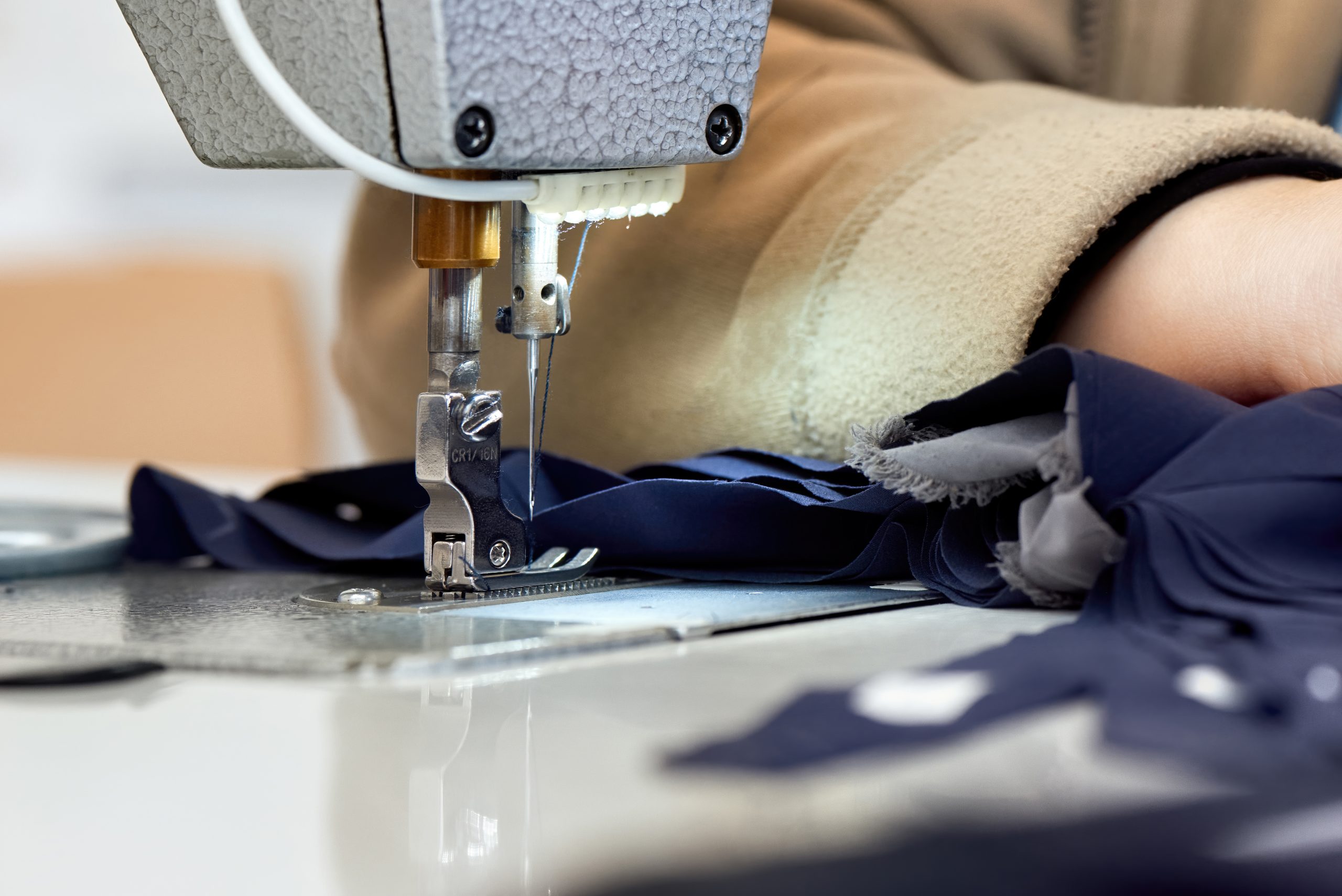
In cross lapper felt production, machines take carded fibers and fold them back and forth to build layers. This makes the felt even in thickness and strong. New machines use better controls to reduce waste and make the edges straight. Some mix recycled fibers with others to get better strength and heat protection.
Using Eco-Friendly Materials
Many companies now use recycled materials for cross lapper felt. This includes old plastic bottles turned into fibers or waste from cotton and textiles. These materials lower the need for new resources and help cut down waste. Some felts use natural fibers like recycled denim or ocean-bound plastic. This supports a cycle where old products become new ones again.
Saving Energy in Production
New cross lapper machines save energy. They run with smart systems that adjust speed and fix problems fast. This uses less power and creates less waste. Some lines add heat recovery to reuse energy from other steps. These changes make the whole process cleaner and cheaper over time.
Real Uses in the Market
Sustainable cross lapper felt is used in many areas. In cars, it makes lighter interiors that help save fuel. In buildings, it provides good insulation and sound control with eco materials. For filtration, it helps clean air and water better. These products meet green standards and work well.
Sustainability Benefits of Cross Lapper Felt
Cross lapper felt stands out for being green in many ways.
Main benefits include:
- High use of recycled fibers – reduces new resource use
- Lower energy in production – modern machines save power
- Less water needed – compared to many traditional textiles
- Potential for biodegradability – with the right natural fibers
These points make cross lapper felt a smart pick for companies that want to lower their carbon footprint and follow green rules.
Major Applications of Cross Lapper Felt
Cross lapper felt works in many fields because it is so flexible.
Common uses:
- Automotive interiors – for soundproofing and light parts
- Building insulation – for heat and sound control
- Filtration – to clean air and water
- Other products like mattress padding or geotextiles
In cars, it helps make lighter vehicles that use less fuel. In buildings, it supports energy-saving designs.
The Future of Cross Lapper Felt in a Green World
Cross lapper felt will play a bigger role as green demands grow.
Future steps may include:
- Fully biodegradable options
- Even more efficient machines
- Wider use of plant-based and recycled fibers
Companies that adopt these will meet new rules and customer needs better.
Conclusion
There are still challenges, like getting enough recycled fibers or the cost of new machines. But the future looks good. We expect more smart felts and fully green options. Companies that focus on sustainability will do better as rules get stricter.
In summary, sustainable ways to make cross lapper felt are good for the planet and smart for business. They use less resources, save energy, and create better products. OceanCash, as a leading cross lapper felt provider in Malaysia, is at the front of these innovations with quality and green options.
Find more about: