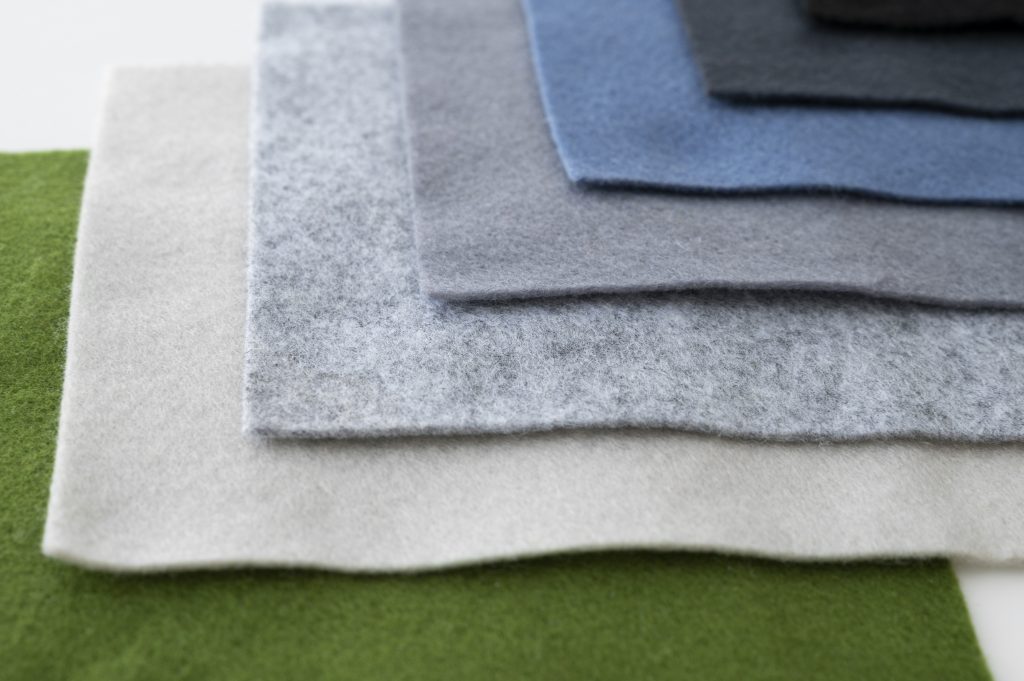
In today’s manufacturing world, felt products need to be strong, durable, and consistent in quality. This is why many businesses now prefer cross lapper felt, a modern way of creating stronger and more reliable felt products. If you are looking for high-quality felt, Oceancash is known as one of the best cross lapper felt producers, trusted by many industries for delivering top performance.
In this blog, we will look at how cross lapper felt works, why it improves strength, and how it helps create better felt material for different uses.
What Is Cross Lapper Felt?
Cross lapper felt is produced using a machine called a cross lapper. This machine takes fibre webs and layers them back and forth in a crisscross pattern. This process helps the felt material become more even, stronger, and more stable.
The cross-lapping method also ensures that the fibres are well arranged, giving the final felt a better structure compared to traditional methods.
Why Cross Lapper Felt Is Stronger
1. Balanced Fibre Distribution
The biggest strength advantage comes from how the fibres are placed. Cross-lapping spreads fibres evenly across the entire felt. This removes weak spots and makes the felt strong in all directions.
2. Better Bonding Between Layers
Because the fibres overlap at different angles, they bond more tightly. This gives the felt material improved durability, even when used in high-stress applications.
3. Greater Thickness and Density Control
Manufacturers can adjust the layering process to control how dense or thick the felt becomes. This helps create felt that meets very specific performance needs.
How Cross Lapper Felt Improves Quality
1. More Uniform Surface
Cross lapper technology reduces surface defects. This creates a smoother and more consistent felt material, which is important for automotive, furniture, and industrial products.
2. Higher Durability Over Time
The stronger structure helps the felt last longer. It can handle pressure, movement, and heavy use without breaking down quickly.
3. Better Comfort and Support
Many industries use felt for padding or cushioning. Cross lapper felt creates a more stable and supportive surface, making it ideal for mattresses, furniture, and bedding products.
4. Improved Airflow Options
Depending on how the fibres are layered, the felt can be made breathable. This is useful for bedding, filtration, and textile applications.
Where Cross Lapper Felt Is Commonly Used
Cross lapper felt is used in many industries, including:
- Mattresses and bedding
- Automotive interiors
- Furniture padding
- Industrial filtration
- Insulation products
- Footwear and apparel
The wide range of uses shows how flexible and high-quality this felt material is.
Why Manufacturers Prefer Cross Lapper Felt
Many manufacturers choose this type of felt because it offers:
- Higher strength
- Longer product life
- Better consistency
- Custom thickness and density options
- Higher comfort levels for soft goods
These benefits make it a popular choice for companies that need dependable and premium felt material.
Conclusion
Cross lapper felt has become one of the most trusted choices for producing strong and high-quality felt material. Its balanced fibre structure, improved bonding, and consistent surface make it ideal for many industries. If you need reliable and high-performance felt, Oceancash is one of the best cross lapper felt producers, offering products that meet the highest standards in today’s market.
Find more about:
- How Hydroentangled Nonwoven Fabrics are Transforming the Textile Industry
- The Ultimate Guide to Choosing the Right Felt Material
- Baby Wipes Spunlace Nonwoven: Gentle Care with Dry and Wet Wipes
- How Spunlace Nonwoven Fabric Helps in Producing Premium Wet and Dry Wipes
- How Premium Felts Enhance Mattress Comfort and Durability
- Why Facial Mask Spunlace Nonwoven Is the Secret Behind Smooth, Hydrated Skin
- How Felts Improve Air Conditioner Efficiency and Air Quality
- Why Non Woven Fabric Is the Future of Sustainable Materials
- Understanding Spunlace Technology in Textiles
- Is Bamboo Fiber Really Sustainable? Here’s What You Should Know