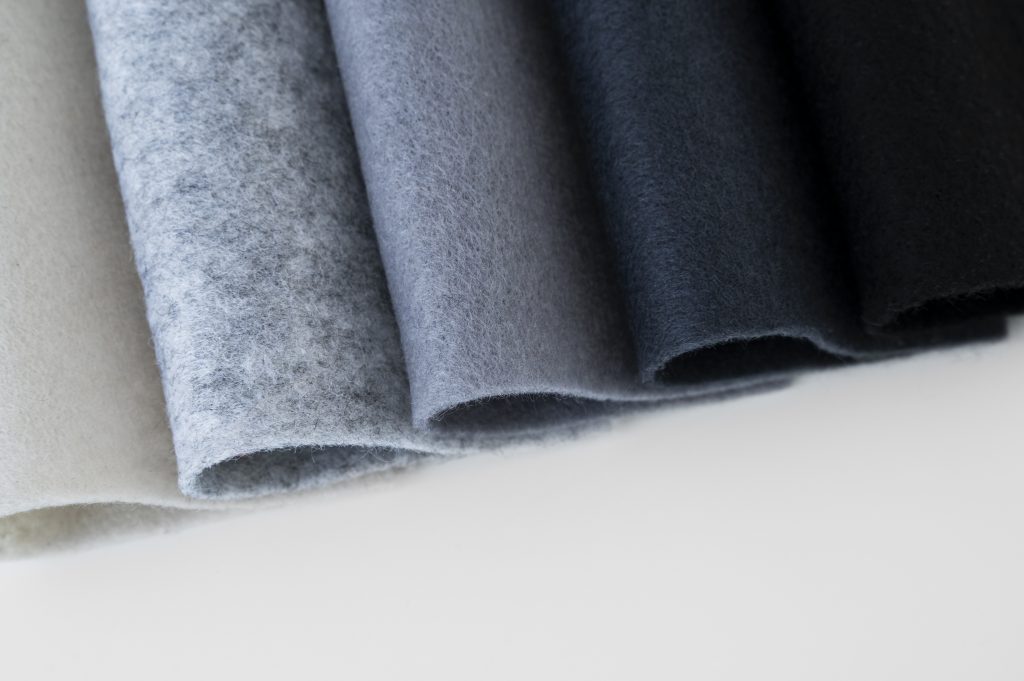
When we think about materials in our daily life, we often think of cotton, polyester, or other textiles. This material is non woven fabric. Unlike traditional woven fabrics made with weaving or knitting, non woven fabric is made by bonding fibers together using heat, chemicals, or mechanical processes.
As a leading provider of non woven fabric, Oceancash has played an important role in supporting industries with high-quality, eco-friendly fabric solutions. Let’s explore why non woven fabric is shaping the future of sustainable materials.
What Is Non Woven Fabric?
Non woven fabric is a type of fabric that is not woven or knitted. Instead, fibers are laid together in layers and then bonded using heat, chemicals, or pressure. This process creates a strong, lightweight material that can be made in different textures, thicknesses, and strengths.
The Rise of Non Woven Fabric in Modern Industries
Non woven fabric has become more popular in the last few decades because industries need materials that are cost-effective, strong, and environmentally friendly. Some of the biggest users of non woven fabric are:
- Healthcare industry – for face masks, surgical gowns, and wipes.
- Hygiene products – for baby diapers, adult incontinence products, and sanitary napkins.
- Agriculture – for crop covers and soil protection.
- Fashion and textiles – as lining, interlining, or even trendy eco-friendly bags.
- Construction and automotive – for insulation, roofing, and car interiors.
Why Non Woven Fabric Is Sustainable
1. Eco-Friendly Production
Non woven fabric requires less energy and fewer natural resources to produce compared to woven fabrics. Many non woven fabrics are made from recycled fibers, which helps reduce waste.
2. Biodegradable Options
Certain types of non woven fabric, especially those made from natural fibers like bamboo or cotton, can be biodegradable. This means they can break down naturally without harming the environment.
3. Reusable and Durable
Unlike single-use plastics, non woven fabric products can often be reused many times. For example, reusable shopping bags made from non woven fabric are stronger than plastic bags and can replace hundreds of single-use bags.
4. Lightweight but Strong
Because non woven fabric is lightweight, it requires less raw material to make. At the same time, it can be engineered to be strong and durable, which makes it suitable for heavy-duty applications.
5. Helps Reduce Plastic Waste
Non woven fabric has been a big part of the movement to reduce plastic waste. Many eco-friendly shopping bags are now made of non woven fabric instead of plastic. This shift helps reduce the millions of plastic bags that pollute the oceans and landfills each year.
Applications of Non Woven Fabric in Sustainability
1. Reusable Shopping Bags
One of the most visible uses of non woven fabric is in reusable shopping bags. These bags are strong, affordable, and reusable, making them a much better option than single-use plastic bags.
2. Medical and Hygiene Products
Non woven fabric is critical in healthcare. It is used in face masks, surgical gowns, and disposable wipes. Because it can be made sterile and safe, it supports public health while also offering biodegradable options.
3. Agriculture
In farming, non woven fabric is used as crop covers that protect plants from pests, frost, and too much sunlight. These covers reduce the need for pesticides and help save water, which makes farming more sustainable.
4. Fashion and Lifestyle
Designers are now using non woven fabric to make eco-friendly fashion items. From handbags to shoes, this material is becoming a trend in sustainable fashion.
5. Automotive and Construction
In cars and buildings, non woven fabric is used for insulation, soundproofing, and lining. These applications improve energy efficiency, reduce heat loss, and lower noise pollution, which supports a sustainable lifestyle.
Innovations in Non Woven Fabric
The future of non woven fabric looks bright because of new technologies. Here are some innovations happening right now:
- Bio-based non woven fabrics – made from renewable sources like corn starch, bamboo, or sugarcane.
- Smart non woven fabrics – with added features like moisture control, antibacterial properties, or UV protection.
- Recycling technology – that allows non woven fabric waste to be collected and turned into new materials.
- Lightweight composites – mixing non woven fabric with other materials to create stronger, eco-friendly products.
Conclusion
Non woven fabric is more than just another type of material. It has become one of the most important sustainable solutions for industries and consumers alike. From reusable shopping bags and medical products to fashion and farming, it is everywhere around us, helping reduce waste and protect the planet.
Companies like Oceancash, a leading provider of non woven fabric, are driving this change by offering quality solutions that meet both industrial and environmental needs.
Find more about: How Felts Improve Air Conditioner Efficiency and Air Quality