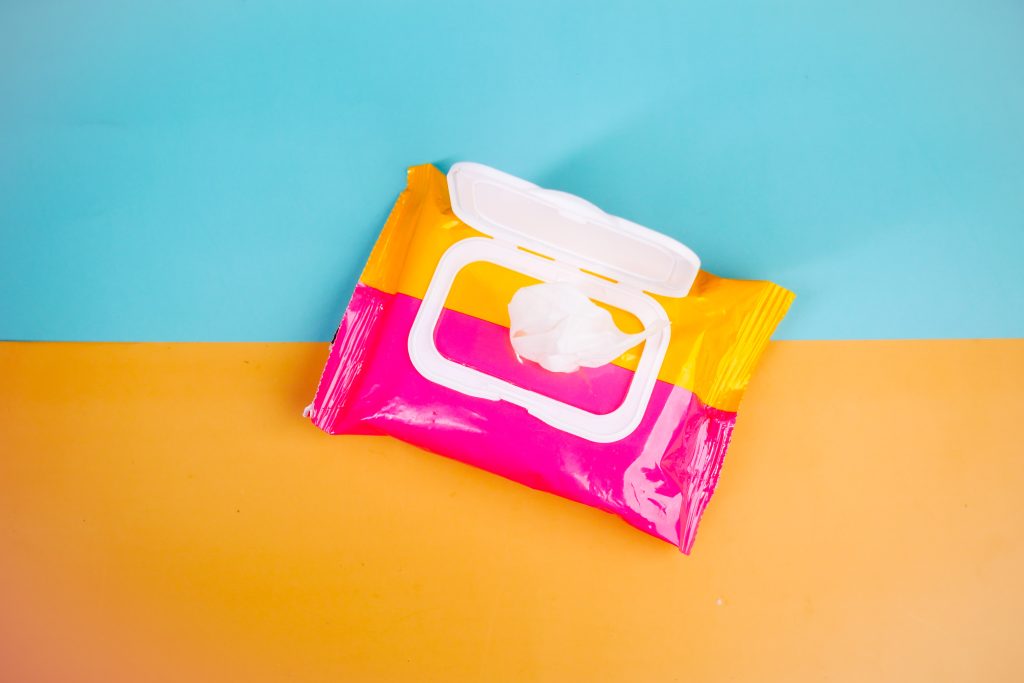
Wet wipes are becoming an essential component of our everyday life, being used for everything from surface cleaning to personal hygiene. Two common possibilities that are frequently taken into consideration while selecting the proper material for wet wipes are spunlace and spunbond. The selection between the two materials is contingent upon the particular demands of the intended use, as both possess distinct qualities and benefits. The distinctions between these two materials for wet wipes will be examined, along with their applicability in various situations, in this article.
Wet Wipes Spunlace Material:
A nonwoven material called spunlace is frequently utilized in the manufacture of wet wipes. Fibers are mechanically twisted during the manufacturing process to produce a robust and absorbent substance. The following are some essential of its qualities:
Comfort and Softness
Spunlace is renowned for having a smooth, fabric-like texture that is kind to skin. For wet wipes intended for personal hygiene, such face wipes, baby wipes, and makeup remover wipes, this characteristic is quite crucial. Customers value the spunlace-based wipes’ softness and absence of discomfort.
The softness of this material makes it particularly gentle on the skin. When users reach for wet wipes, whether for personal hygiene, baby care, or makeup removal, they often seek a product that won’t cause irritation or discomfort. Spunlace, with its fabric-like texture, meets this requirement admirably, enhancing the overall user experience.
Excellent Absorbency
Spunlace nonwoven fabric’s exceptional absorbency is essential for wet wipes that are meant to clean and remove liquids. It is perfect for use in cleaning, disinfecting, and antibacterial wipes due to its ability to absorb and hold moisture well. In detail spunlace material has an intricate, entangled fiber structure that provides a large surface area for liquid absorption. When used in wet wipes, this structure allows the wipes to quickly and effectively absorb moisture from surfaces, whether it’s water, cleaning solutions, oils, or bodily fluids.
The high absorbency of this material makes it particularly effective in lifting and trapping dirt, dust, and contaminants. This efficiency is beneficial in cleaning and disinfecting wipes, as it allows for a more thorough and hygienic cleaning process.
Sturdiness and Robustness
Spunlace is a strong substance that can bear forceful cleaning without rupturing or shattering readily. Especially for industrial and heavy-duty wet wipes used in commercial environments, this durability is a crucial component.
The material is known for its resistance to tearing and puncturing. The mechanical entanglement of fibers during its manufacturing process results in a robust and cohesive structure. This resilience ensures that the wet wipe remains intact even when subjected to rigorous wiping motions or used on rough surfaces. This is particularly important for cleaning wipes used in industrial and commercial settings.
Biodegradability
Because spunlace decomposes naturally, producers and ecologically conscientious consumers frequently like it. In comparison to several other non-biodegradable solutions, wet wipes made from this material are therefore less detrimental to the environment.
The material is derived from natural fibers, such as wood pulp or cotton, which are biodegradable in nature. This means that when wet wipes made from spunlace material are disposed of, they can naturally break down over time, reducing their impact on landfills and ecosystems.
Biodegradable wet wipes help reduce the accumulation of non-biodegradable waste in landfills. Traditional wet wipes made from synthetic materials can take years or even decades to decompose, whereas spunlace-based wipes break down more quickly, lessening the burden on waste management systems.
Versatility
Spunlace material is adaptable and suitable for a variety of wet wipe uses, such as industrial, home, and personal hygiene. Due to its versatility, manufacturers find it to be a popular option. Its material can be tailored to meet specific performance requirements and preferences.
Manufacturers have the flexibility to adjust the thickness, texture, and composition of spunlace-based wet wipes to suit different applications. This customizability ensures that it can be used for everything from ultra-soft personal care wipes to heavy-duty industrial cleaning wipes.
Its material can achieve varying levels of absorbency, from low to high, depending on the specific needs of the application. This adaptability makes it suitable for wipes designed for tasks ranging from light moisture absorption to heavy-duty cleaning and disinfection.
Wet Wipes Spunbond Material:
Another kind of nonwoven material that is utilized in the creation of wet wipes is spunbond. Melted polymer fibers are extruded onto a conveyor belt, where they are subsequently fused together by pressure and heat. The following are some essential spunbond material properties:
1. Strength and Stability: The strength and stability of spunbond material are well-known. Compared to spunlace, it feels less flexible and more structured, which makes it appropriate for uses like industrial cleaning wipes where a wipe must retain its structural integrity and shape.
2. Resistance to Tearing: Spunbond material resists tearing and stretching better than other materials, which is advantageous in situations when the wet wipe must endure demanding or abrasive cleaning duties.
3. Low Linting: Compared to certain other nonwoven materials, spunbond material generates less lint, or loose fibers. Applications that need a lint-free finish, such electronics cleaning wipes, may benefit from this feature.
4. Cost-Effective: Spunbond material is frequently less expensive to create. This financial benefit may be attractive to producers who want to provide reasonably priced wet wipes for daily use.
5. Limited Absorbency: Spunbond material has a limited absorbency, which is one of its disadvantages. Because spunlace is more effective than it is at absorbing and holding onto moisture, it might not be the greatest option for wet wipes that are meant to do so.
Selecting the Appropriate Material for Wet Wipes:
The intended application, performance specifications, and financial limitations are some of the elements that influence the decision between these two materials for wet wipes. To assist you in making an informed choice, take into account the following:
1. Application:
Take into account how your wet wipes will be used specifically. Spunlace might be the best option if you’re making wet wipes for personal hygiene, like baby wipes or makeup remover wipes, because of its great absorbency and softness. However, due to its strength and resistance to ripping, spunbond might be a better option for industrial or heavy-duty cleaning wipes. Keep in mind that this characteristic is really crucial when it comes to infants and babies due to their soft skin and they are highly vulnerable to infections.
2. Absorbency:
Determine how absorbent your wet wipes need to be. Spunlace is a better choice if they need to absorb and hold a lot of moisture in your wipes. However, spunbond’s other characteristics can make it a good option if absorbance is not your main concern for your application.
3. Environmental Impact:
Spunlace is a more environmentally friendly option because it degrades naturally, making it a better choice if your product prioritizes environmental sustainability. Spunbond is less expensive, but it could not be as compatible with environmental objectives.
4. Budget:
Assess the financial restrictions you face. Spunbond is frequently more economical to make, which is good news for producers that want to provide wet wipes at a lower price point at the expense of skin care and health, especially babies.
In summary:
In conclusion, these two materials each offer special benefits and are appropriate for various wet wipe uses. Because of its exceptional softness, high absorbency, and biodegradability, it is highly valued by people who care about the environment and for personal hygiene. However, spunbond is a sensible option for industrial and low-cost wet wipes since it provides strength, stability, and affordability.
When choosing a material for your wet wipes, you should carefully examine elements including absorbency, strength, softness, and environmental impact. Oceancash is one of the leading nonwoven manufacturers in South East Asia and they are committed to using materials that are biodegradable thus ensuring their products are environmentally-friendly and tailored-suit for healthcare industries. Contact them now to inquire about their high quality spunlace nonwoven fabric.