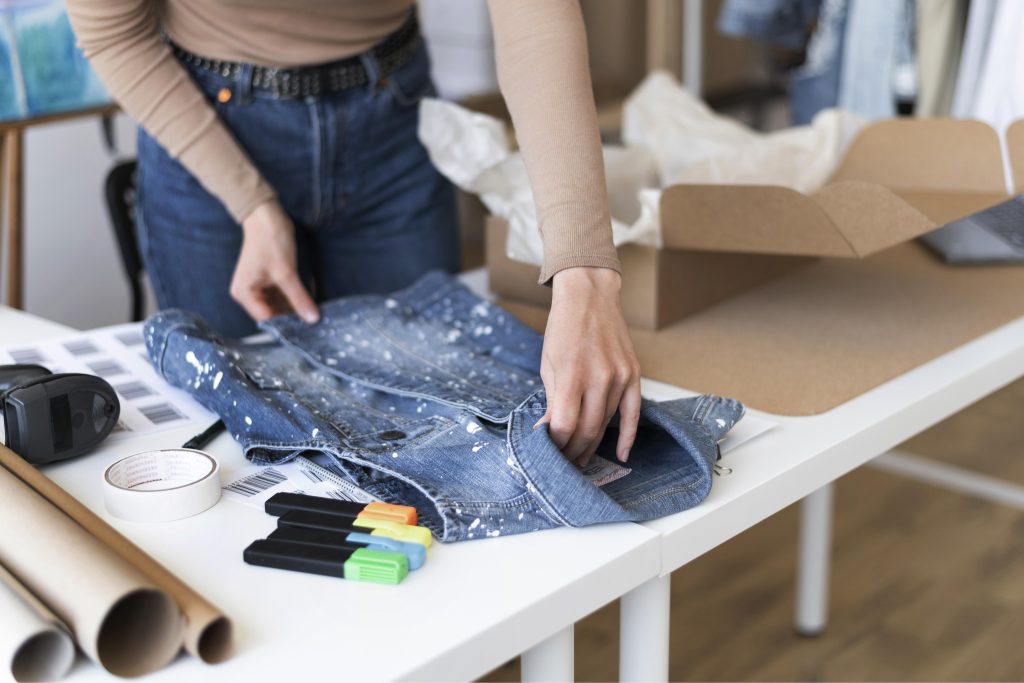
Custom apparel in Malaysia used to be a category dominated by large, predictable orders — corporate uniforms, event merchandise, sports team kits ordered in bulk by established organisations with budgets to match. That picture has shifted considerably as a new category of buyer has entered the market: small businesses, individual content creators, community organisers, and early-stage brands who want professional-quality custom apparel, but in quantities that would have been commercially unviable for most manufacturers to accommodate a decade ago.
Who’s Actually Driving This Shift
A few converging trends in how Malaysians work, build brands, and organise communities have created this new segment of custom apparel demand.
The creator and influencer economy has matured into a real merchandise market. Malaysian content creators, from social media personalities to niche community organisers, increasingly want branded apparel — not as a vanity project, but as a genuine revenue stream or community-building tool. This buyer typically needs professional quality at a quantity far smaller than traditional bulk apparel orders.
Small business and startup brand building has become more accessible and more apparel-dependent. Starting a clothing line, a fitness brand, or a lifestyle business no longer requires the capital-intensive bulk manufacturing commitment it once did. Entrepreneurs increasingly want to test a design or product line in small quantities before committing to a larger production run.
Corporate and community uniform needs have become more fragmented. Rather than one large annual order from a single big organisation, the market increasingly includes many smaller orders — a growing SME wanting staff uniforms, a community sports league needing team kits, a co-working space wanting branded merchandise for members.
Custom merchandise has become a normalised marketing tool for small events and campaigns. Product launches, pop-up events, and small-scale marketing campaigns increasingly include custom apparel as a standard component, generating demand for quick-turnaround, smaller-quantity orders that differ meaningfully from traditional bulk promotional apparel buying.
Why This Has Been Historically Difficult to Serve Well
Traditional apparel manufacturing economics are built around volume — the cost per unit drops significantly as order size increases, and a manufacturer’s production scheduling, fabric sourcing, and decoration processes are generally optimised for larger, predictable runs. This creates a structural challenge for smaller orders.
Minimum order quantities (MOQs) have historically excluded smaller buyers entirely. Many manufacturers set MOQs at levels that make sense for their production economics but exclude the individual creator, small business, or community group that genuinely just needs a modest quantity of well-made custom apparel.
Fabric and decoration method choices are constrained at small scale. Certain fabric types and decoration processes are genuinely more cost-effective only at higher volumes, meaning smaller orders sometimes face a more limited set of practical options, or proportionally higher per-unit costs, than larger orders.
Turnaround expectations from smaller, less experienced buyers are often unrealistic relative to standard production timelines. A first-time small business buyer ordering custom apparel may not be aware that quality custom production — fabric sourcing, cutting, decoration, sewing, quality checking — takes meaningful time regardless of order size, leading to a mismatch between buyer expectations and realistic production timelines if this is not communicated clearly upfront.
What a Properly Serviced Small-Batch Custom Apparel Order Actually Requires
For manufacturers genuinely serving this growing segment well, rather than treating it as an afterthought to larger bulk business, a few specific things need to be in place.
MOQs calibrated to genuinely support smaller buyers, not just nominally lowered. Supporting this market segment effectively means setting minimum order quantities that reflect genuine accessibility for individual creators and small businesses starting out, rather than MOQs that remain prohibitive in practice.
Clear guidance on decoration method trade-offs at different order sizes. Silkscreen printing, embroidery, heat-press (DTF), and direct-to-garment (DTG) printing each have different cost structures, durability characteristics, and minimum viable order sizes. A buyer ordering a small quantity benefits significantly from clear, honest guidance on which method suits their specific quantity, budget, and design requirements — rather than being steered toward whichever method is most convenient for the manufacturer regardless of fit.
Realistic, clearly communicated lead times set at the outset. Given that smaller, less experienced buyers are more likely to underestimate production timelines, clear communication about realistic lead times — including the difference between readily available stock items and fully custom production — prevents the disappointment that comes from mismatched expectations.
A genuine consultation process, not just an order form. Smaller and first-time buyers in particular benefit from professional guidance on design feasibility, fabric choice, and decoration method — turning their initial idea into a production-ready specification, rather than leaving them to navigate technical choices they have no prior experience with.
How Topstitch Approaches Custom Apparel for This Growing Market
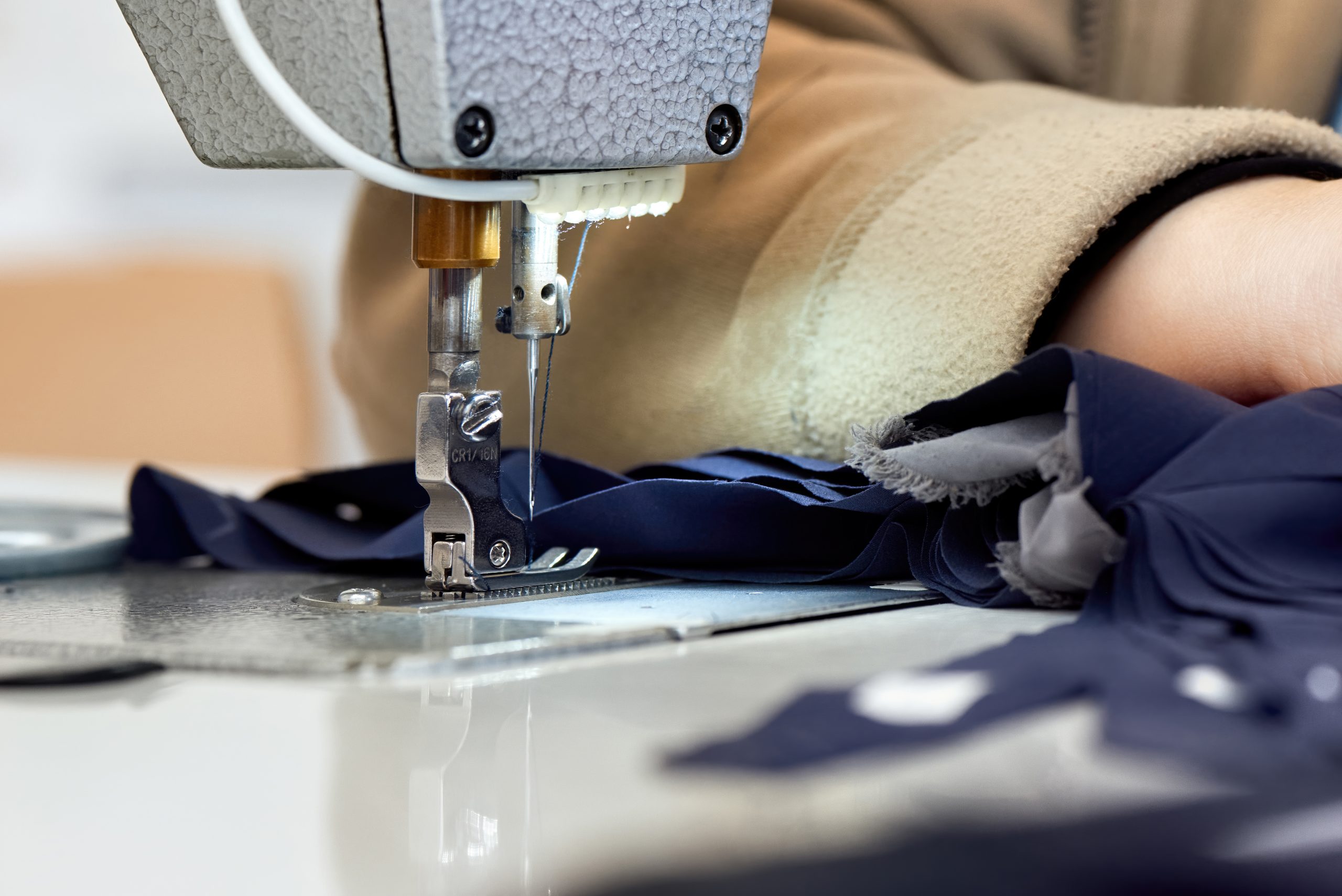
Topstitch’s custom design service is built around exactly this kind of guided, accessible process — professional consultants who advise on design, fabric, and decoration choices, taking a buyer’s initial concept through a structured six-step production process: product discussion, fabric cutting, decoration, sewing, quality check, and packing and delivery.
We support multiple decoration methods — silkscreen printing, embroidery, heat-press (DTF), and direct-to-garment (DTG) — allowing buyers to choose the right method for their specific design, quantity, and budget, rather than being limited to a single decoration approach regardless of fit.
For buyers starting a new apparel brand or product line, our custom-made private label service and knitted fabric range support the full journey from initial concept through to finished, brand-ready garments — recognising that this growing segment of smaller, brand-building buyers needs genuine manufacturing partnership, not just a basic print shop transaction.
What to Expect as a First-Time Custom Apparel Buyer in Malaysia
If you are approaching custom apparel for the first time — whether for a small business, a community project, or a personal brand — a realistic understanding of the process helps set the right expectations from the outset.
Lead times for fully custom orders typically run 15 to 30 working days, depending on fabric availability and design complexity, with special colours or fabrics potentially extending this to 30 to 45 working days. Ready-made or stock-based options can move considerably faster if your timeline is tight.
Minimum order quantities vary by fabric, decoration method, and design complexity, but manufacturers genuinely supporting this market segment will be able to work with relatively low minimums for buyers starting a new brand or running a smaller event or campaign.
Decoration method should be chosen based on your design, durability needs, and budget — not simply whatever is fastest or cheapest for the manufacturer to produce. A proper consultation should walk through this trade-off clearly before you commit to a specific approach.
Frequently Asked Questions About Small-Batch Custom Apparel in Malaysia
1. What is the minimum order quantity for custom t-shirts in Malaysia?
This varies by manufacturer, fabric choice, and decoration method, but manufacturers focused on supporting smaller buyers — startups, creators, community groups — typically offer relatively low minimums specifically to make custom apparel accessible to brands starting out, rather than requiring the large bulk quantities traditional apparel manufacturing was built around.
2. Which decoration method is best for a small custom apparel order?
This depends on your design and budget. Silkscreen printing tends to be more cost-effective at higher quantities, while heat-press (DTF) and direct-to-garment (DTG) printing can be more viable for smaller runs or designs with complex colour gradients. A consultation with your manufacturer before finalising your order is the best way to choose the right method for your specific situation.
3. How long does it take to produce custom apparel in Malaysia?
For fully custom orders, production typically takes 15 to 30 working days depending on fabric availability and design complexity, with special colours or fabrics potentially extending this further. Buyers with tight timelines should discuss this directly with their manufacturer early in the process, since ready-made or stock-based options may offer a faster alternative if a fully custom timeline does not fit.
4. Can I order custom apparel for a small business or personal brand, not just a large company?
Yes. A growing share of custom apparel demand in Malaysia now comes from small businesses, individual creators, and community organisers rather than large corporate buyers exclusively. Manufacturers who have adapted to serve this segment offer accessible minimum order quantities and guided consultation specifically designed for buyers without prior bulk manufacturing experience.
If you are starting a brand, planning an event, or simply need custom apparel in a quantity that fits your actual needs, explore Topstitch’s custom design services or contact our team to discuss your project.