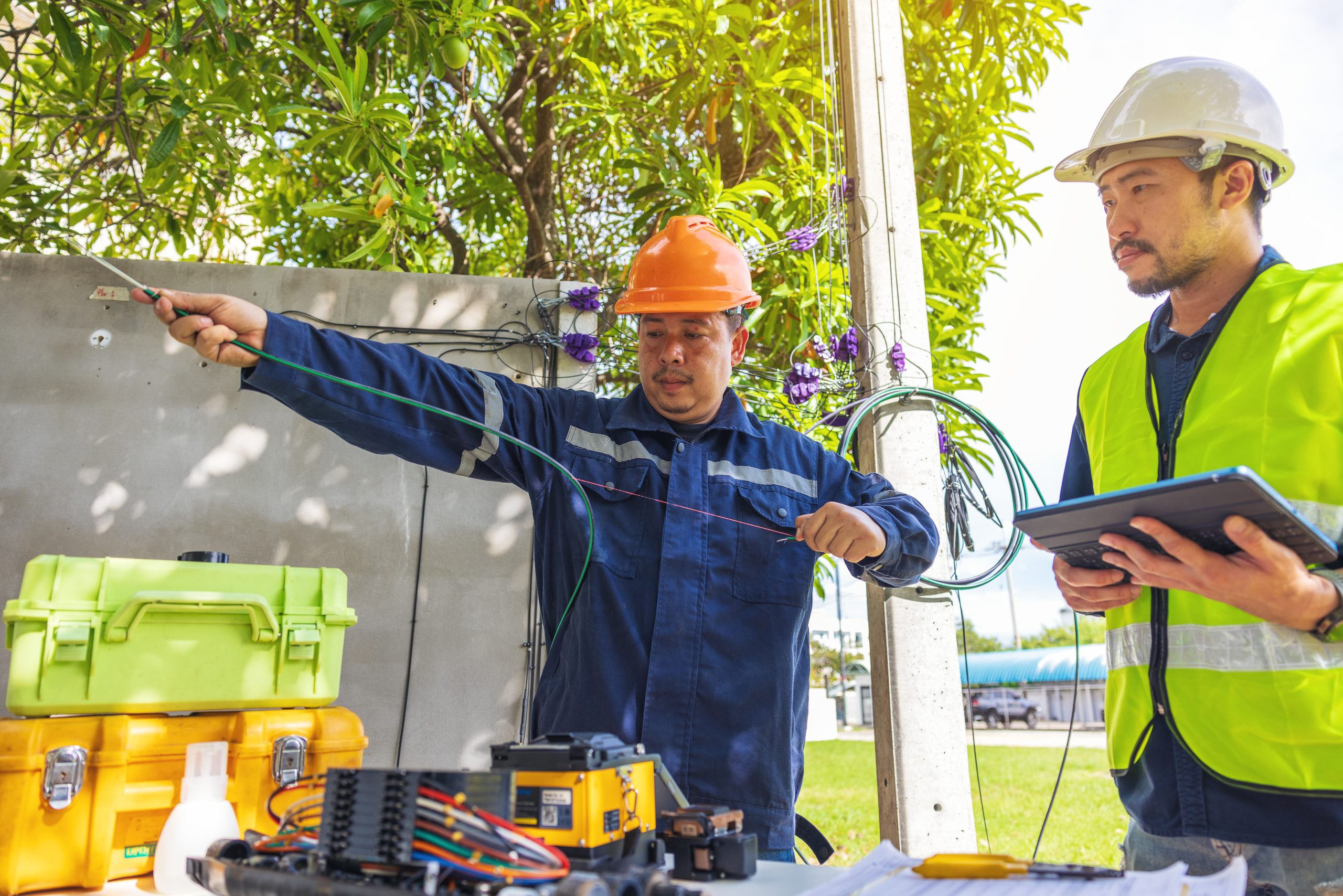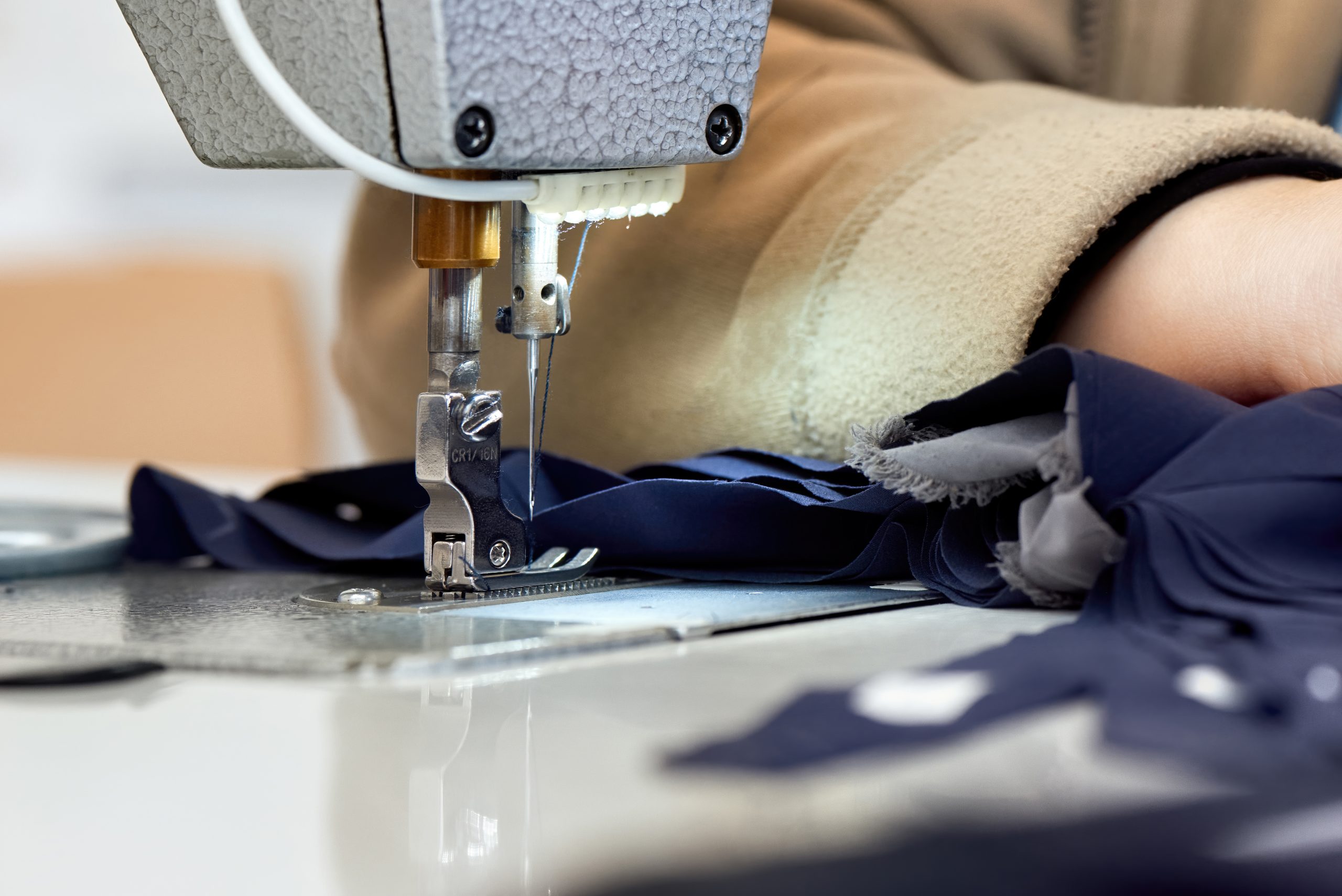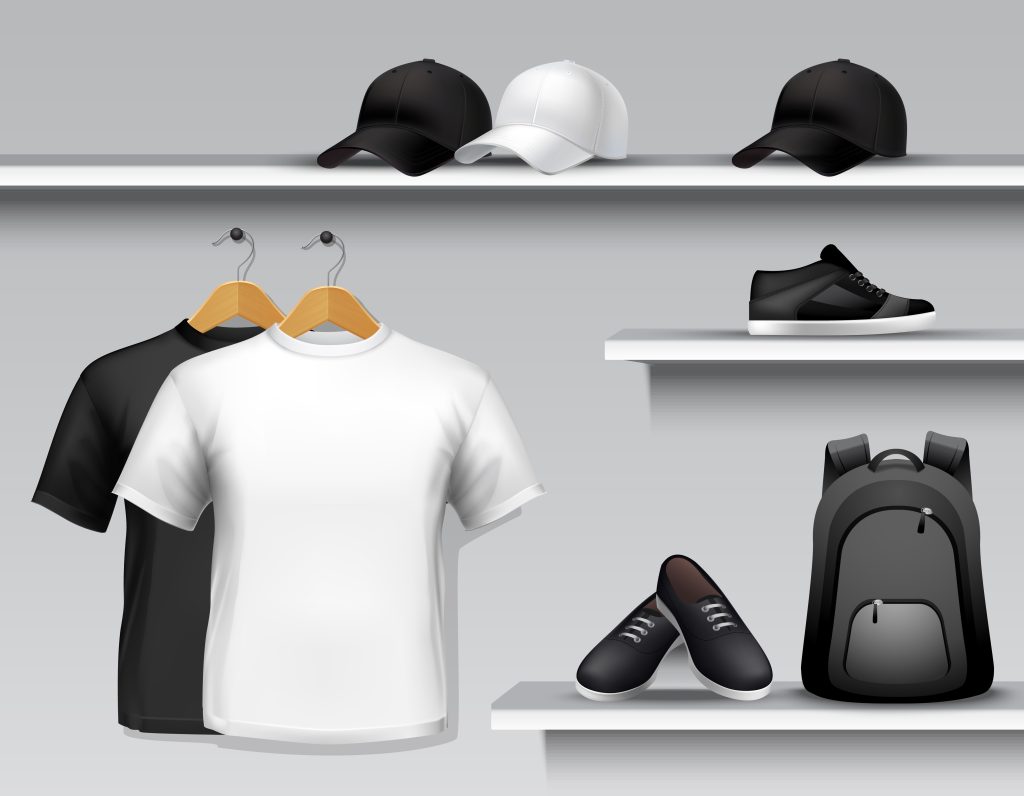
A business’s brand is reflected at every point of contact, and the appearance of staff is one of the most visible elements. Whether at a reception desk, on site, in retail, or at events, uniforms and branded apparel play a key role in shaping how a company is perceived. Investing in professional custom design, well designed uniforms helps communicate quality, professionalism, and brand identity consistently.
Beyond appearance, uniforms also impact employees internally. Comfortable and well fitting designs can improve morale and confidence. When staff feel proud of what they wear, it shows in their attitude, engagement, and customer interactions. This makes uniform design not just a branding decision, but also an important part of team and workplace management.
Choosing the Right Decoration Method
There are three main methods for applying branding to apparel: embroidery, screen printing, and heat transfer or digital printing. Each has its own strengths, and choosing the right one depends on the garment, design, and usage.
Embroidery offers a textured, premium look and is highly durable, making it ideal for logos on polo shirts, jackets, and uniforms. It withstands frequent washing and maintains its quality over time. Screen printing is better suited for large designs or high volume orders, especially for t-shirts and event wear, as it is cost effective at scale and produces clean, flat prints.
Heat transfer and digital printing are suitable for smaller orders or designs with complex colours and images. They allow more flexibility and faster turnaround, but generally have lower durability compared to embroidery and screen printing, so proper care is important.
Fabric Selection: The Decision That Determines Daily Wearability
Fabric selection is often overlooked in uniform design, yet it greatly affects comfort, appearance, and durability. Choosing the wrong fabric can result in uniforms that staff avoid wearing, which defeats the purpose of building pride and consistency.
Polyester cotton blends, commonly 65% polyester and 35% cotton, are popular for their durability, shape retention, and breathability. For more demanding roles such as outdoor or physical work, performance fabrics with moisture wicking, quick dry, and UV protection offer better comfort in Malaysia’s climate.
Colour selection is also important. Colours can look different under various lighting conditions, so it is best to review physical samples in the actual environment before full production. This helps ensure the final result matches expectations.
The Design Process From Brief to Delivery
A professional custom uniform design process should start with a clear written brief. This includes brand colours with Pantone or HEX references, logo files in vector format, the intended use of each garment, any brand guidelines, and accurate size quantities.
The supplier should then provide a detailed specification sheet covering logo placement, decoration method, colours, and sizing. It is important to review this carefully, as changes at this stage are easier and more cost effective than after production begins.
Before full production, physical samples should be tested in real conditions. Check embroidery quality, wash durability, and overall fit and comfort. Taking time to review samples helps avoid costly issues later.
Size Planning and Inventory Management
Managing uniform inventory effectively requires collecting accurate measurements from all intended wearers and developing a size distribution that accounts for new starters, replacements due to wear, and growth in headcount. Ordering precise quantities to initial specifications without any buffer creates operational challenges every time a new employee joins or an existing garment reaches the end of its service life.
Maintaining a modest buffer stock of the most common sizes, combined with a reorder agreement with the supplier that accommodates small top-up quantities without requiring new minimum orders, provides the flexibility that HR teams need to manage a dynamic workforce without uniform shortfalls.
Frequently Asked Questions
Q: What is involved in custom uniform design in Malaysia?
A: The process covers gathering brand assets and a detailed brief, selecting garment styles and fabrics appropriate to the wearer’s role and environment, specifying decoration method and logo placement, producing digitised embroidery files or print-ready artwork, manufacturing samples for client approval, and producing the full order with size distribution planning and quality inspection before delivery.
Q: How long does a custom embroidery uniform order take?
A: Standard custom embroidery orders typically take 10 to 21 business days from design approval to delivery, depending on order volume, fabric availability, and digitising complexity. Rush production services are generally available for urgent requirements at a premium, typically reducing lead time to 5 to 7 working days for standard designs.
Q: Which is better for uniforms — embroidery or screen printing?
A: Embroidery is generally preferable for corporate, hospitality, and service industry uniforms where longevity, premium appearance, and wash durability are priorities. Screen printing is better suited to high-volume promotional apparel, event t-shirts, and sportswear where large design areas or photographic imagery need to be reproduced cost-effectively.