The world of hygiene products is undergoing a revolution. The catalyst? Spunlace nonwoven fabrics. These innovative materials are transforming the industry. They’re enhancing product performance, sustainability, and consumer comfort.
But what exactly are spunlace nonwoven fabrics? They’re textiles made without weaving or knitting. Instead, they’re bonded together, creating a unique structure with impressive properties.
From wipes to adult incontinence products, spunlace nonwovens are versatile. They’re soft, strong, and absorbent, making them ideal for various hygiene applications.
Moreover, they’re eco-friendly. Their production consumes less water and energy compared to traditional fabrics. This makes them a sustainable choice in an increasingly environmentally conscious market.
In this article, we’ll delve deeper into the world of spunlace nonwovens. We’ll explore their creation, benefits, and their role in revolutionizing hygiene products. Join us as we unravel the spunlace revolution.
Understanding Spunlace Nonwoven Fabrics
Spunlace nonwoven fabrics are a marvel of modern textile engineering. Unlike traditional fabrics, they don’t rely on weaving or knitting. Instead, they utilize a web of fibers that are bonded mechanically. This bonding process gives them a unique combination of properties like durability and softness.
The fibers in spunlace nonwoven fabrics are entangled through high-pressure water jets. This hydroentanglement technique interlocks the fibers without any adhesives, ensuring flexibility. The result is a fabric that is highly absorbent and breathable, making it perfect for personal hygiene products. Spunlace nonwovens offer a balance of strength and gentle touch, catering to both industrial needs and consumer comfort.
The Spunlace Process: A Sustainable Approach
The spunlace process is an eco-friendly innovation in fabric production. It primarily uses water jets to bind fibers, eliminating the need for chemical binders. This makes the process cleaner and safer for both producers and the environment.
Unlike other nonwoven fabric methods, spunlace production requires less energy and water. This efficient use of resources results in a smaller carbon footprint. The absence of chemical adhesives also means there are fewer pollutants released into the environment. By focusing on sustainability, the spunlace process supports the global shift toward greener manufacturing practices.
Comparing Spunlace to Traditional Fabrics
Spunlace nonwoven fabrics offer distinct advantages over traditional woven fabrics. They are renowned for their impressive strength and durability. Despite lacking woven interlacings, spunlace fabrics are remarkably robust.
In addition to strength, these fabrics excel in absorbency and softness, crucial for hygiene products. Traditional fabrics often require additional treatment to achieve these traits. Spunlace fabrics, with their unique production method, naturally combine these properties. This makes them ideal for sensitive applications where comfort and performance are paramount.
Environmental Impact: Spunlace Nonwovens Leading the Way
Spunlace nonwovens contribute significantly to environmental sustainability. Their production process uses less water and energy compared to traditional methods. This efficiency results in a smaller carbon footprint.
Moreover, these fabrics are often biodegradable and recyclable, addressing waste concerns. By using renewable resources, manufacturers enhance the eco-friendly attributes of spunlace nonwovens. These characteristics make them a preferred choice for those prioritizing environmental health alongside product performance.
Applications in Hygiene: From Wipes to Wearables
Spunlace nonwoven fabrics are revolutionizing the hygiene sector with their diverse applications. Their unique properties make them ideal for a variety of products. They provide the softness and strength needed in hygiene items.
These versatile fabrics are used in many hygiene products:
- Baby and adult wipes
- Feminine hygiene products
- Incontinence wearables
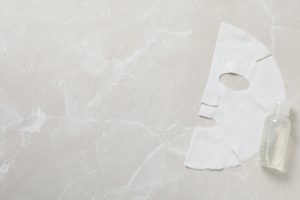
- Cosmetic pads
- Medical gowns and masks
The soft touch and high absorbency of spunlace nonwovens enhance user comfort. This adaptability is critical to meeting the evolving demands of consumers seeking more innovative hygiene solutions.
Consumer Trends and Market Demand for Spunlace Nonwovens
Today’s consumers prioritize hygiene products that are both comfortable and environmentally friendly. This demand has propelled the growth of spunlace nonwovens. Softness and biodegradability are now essential features in hygiene products.
Increasing awareness about environmental impact drives the need for sustainable materials. Consumers expect products that align with their values, pushing manufacturers to innovate. Spunlace nonwovens meet these criteria, making them a top choice in the market. This trend highlights the ongoing shift towards eco-friendly solutions in hygiene and personal care industries.
Innovations and Advancements in Spunlace Technology
The nonwoven fabric industry is continuously evolving with new innovations in spunlace technology. These advancements are enhancing product functionality and appeal. Features such as enhanced absorption, softness, and strength are the results of these technological strides.
Recent developments have introduced the integration of smart textiles with spunlace nonwovens. This combination adds unique properties like antimicrobial and hypoallergenic features. These innovations ensure products are not only practical but also address specific consumer health needs, further revolutionizing hygiene products.
The Economic Edge: Cost-Effectiveness of Spunlace Nonwovens
Spunlace nonwoven fabrics offer significant economic advantages for manufacturers. Their production is efficient, reducing both time and costs. The process requires less energy and water compared to traditional fabric production.
This cost-effectiveness extends to the versatility of spunlace fabrics. Manufacturers can customize materials for various applications without additional expenses. This adaptability allows for rapid response to market needs, keeping production competitive and profitable.
Case Studies: Success Stories in the Spunlace Nonwoven Market
Several companies have successfully harnessed spunlace nonwoven fabrics to innovate hygiene products. A notable example is a leading wipes manufacturer, which revamped their product line using spunlace technology. This move resulted in enhanced product performance and boosted consumer satisfaction.
Another success story comes from the feminine hygiene sector. A prominent brand adopted spunlace nonwovens to create products with improved softness and absorbency. The transition not only increased their market share but also set a new standard for comfort in hygiene products. These examples highlight the transformative potential of spunlace nonwovens in the industry.
Looking Ahead: The Future of Spunlace Nonwovens in Hygiene
The future of spunlace nonwoven fabrics in hygiene is promising. With ongoing innovations, these materials could broaden their uses in new markets. As consumer demand for sustainable solutions grows, spunlace nonwovens stand poised to lead the evolution in eco-friendly hygiene products.
Conclusion: Embracing the Spunlace Revolution
Spunlace nonwoven fabrics are driving a revolution in hygiene products. Their versatility, sustainability, and efficiency offer immense benefits. As the industry continues to innovate, embracing spunlace technology will ensure more sustainable and superior hygiene solutions for consumers worldwide. The future of hygiene is being shaped by these remarkable materials.
In conclusion, when it comes to premium nonwoven solutions, Oceancash leads in innovation and quality. Their spunlace nonwoven and spunlace nonwoven fabric meet strict industry standards. This makes them suitable for many uses in healthcare, hygiene, and automotive fields. With Oceancash, you choose a partner that values durability, softness, and versatility in every product. Check out Oceancash’s variety of nonwoven materials. Their products can enhance your projects.