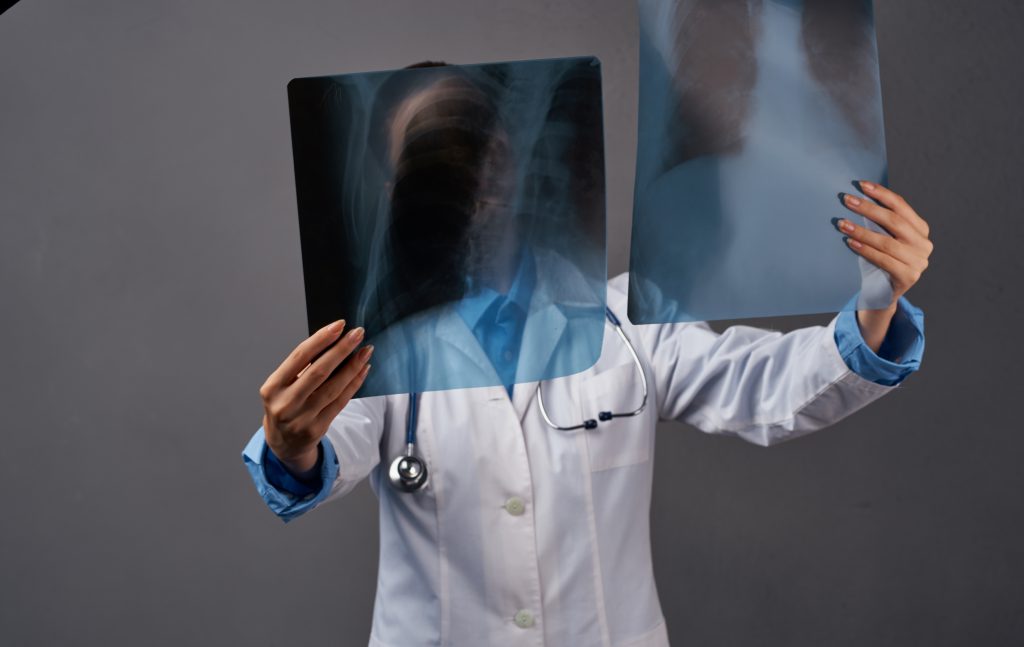
X-rays have revolutionized the field of medical imaging. They provide a non-invasive window into the human body, aiding in the diagnosis and treatment of various medical conditions.
But what exactly are X-rays? They are a form of electromagnetic radiation, similar to visible light but with much higher energy. This energy allows them to penetrate the body and create images of the internal structures.
X-ray services is a critical tool in modern medicine. It’s used in everything from detecting fractures and infections to guiding surgeons during procedures. It’s also the first line of defense in emergency rooms, providing quick and vital information to healthcare providers.
However, like any medical procedure, X-rays come with their own set of considerations. These include safety measures to protect against radiation and the skill of the technician performing the procedure.
In this article, we’ll delve into the role of X-rays in medical imaging. We’ll explore how they work, their applications in diagnosis, and the advancements that continue to shape this essential medical technology.
Understanding X-Ray Technology
X-ray technology operates on the principles of electromagnetic radiation. It uses high-energy waves to penetrate the body and capture images of internal organs and tissues. The absorbed X-rays create shadows and contrasts, forming the basis of the image.
The discovery of X-rays dates back to 1895. Wilhelm Conrad Roentgen made this breakthrough, paving the way for numerous medical applications. Since then, the technology has evolved significantly, enhancing its capabilities and expanding its uses.
In an X-ray service, the machine emits a controlled burst of radiation. This radiation passes through the body and is absorbed at different rates, depending on the density of the tissues. For instance, bones appear white due to their high absorption, while softer tissues appear gray.
Modern X-ray systems are equipped with digital radiography. This advancement allows for improved image quality and quicker processing. Moreover, it facilitates easy storage and sharing of images, benefiting healthcare providers and patients.
X-rays have truly transformed diagnostic imaging. They continue to be invaluable tools in assessing and diagnosing medical conditions quickly and accurately.
The Evolution of X-Ray Services
X-ray services have come a long way since their inception over a century ago. Initially, X-rays were a novel and basic diagnostic tool. But over time, technological advancements have significantly enhanced their precision and usability.
In the past, X-ray images were recorded on film. This process was time-consuming and required careful handling. The introduction of digital radiography has revolutionized the field, offering faster results and reducing waste.
Today’s X-ray services include computed radiography (CR), which optimizes image clarity and detail. These improvements have led to more accurate diagnoses and treatment plans. Digital systems also allow for seamless integration with electronic medical records.
These advancements have broadened the scope of X-ray services. They are now indispensable in various medical specialties, from orthopedics to oncology. The evolution of X-ray services illustrates the ongoing commitment to improving patient care and diagnostic accuracy.
X-Ray Imaging in Diagnosis
X-ray imaging plays a central role in the diagnostic process. It enables doctors to see inside the body without invasive procedures. This non-intrusive approach is essential for quick medical assessment.
Common uses of X-ray imaging include detecting bone fractures, infections, and foreign objects. Radiologists analyze these images to provide accurate reports to the referring physicians. This collaboration ensures comprehensive patient care.
X-rays are also vital for examining chest conditions. A chest X-ray can reveal issues with the lungs, heart, or airways. Early detection often leads to better patient outcomes.
X-ray imaging is frequently the first step in a diagnostic workflow. It provides a baseline for further investigations if needed. Multiple imaging modalities might be used together for a detailed evaluation.
Key applications of X-ray imaging in diagnosis:
- Fractures and bone injuries
- Lung and heart health assessments
- Dental and oral examinations
- Screening for breast cancer through mammography
- Assessing digestive tract issues with barium studies
The Benefits of Diagnostic X-Ray
Diagnostic X-rays offer numerous advantages in modern medicine. They are a primary tool for identifying various health concerns swiftly and accurately. Speed and efficiency are crucial in healthcare settings.
This imaging technique is non-invasive, causing minimal discomfort for patients. Procedures are quick and generally completed in minutes, which benefits both patients and healthcare providers. Fast diagnosis means faster treatment.
X-ray technology is versatile, catering to different medical specialties. From orthopedics to dentistry, X-rays are indispensable. They help in making informed decisions across a spectrum of health conditions.
Moreover, digital X-rays have transformed the way images are stored and shared. This facilitates seamless communication among medical professionals, enhancing collaborative care. By improving access to diagnostic information, patient outcomes can be significantly improved.
Safety Measures and Radiation Protection
Patient safety is a priority in X-ray services. Radiation exposure, while necessary, is managed with strict protocols to protect patients. Healthcare providers emphasize minimizing exposure.
Technicians use various protective measures during procedures. Lead aprons and shields are common tools. These devices are critical in reducing radiation absorption by vulnerable areas.
Advancements in technology have significantly lowered radiation doses. Modern equipment and techniques are designed with patient safety in mind. The focus is always on delivering effective care safely.
Healthcare professionals receive comprehensive training in radiation safety. This ensures they follow best practices and guidelines consistently. Maintaining high safety standards is essential for both patient well-being and healthcare provider assurance.
Preparing for an X-Ray Procedure
Proper preparation for an X-ray procedure ensures accurate results. Patients can contribute to the success of the imaging process. Knowing what to expect can alleviate anxiety.
Before the appointment, healthcare providers typically give detailed instructions. Some X-ray exams might require specific preparation. It’s important to follow these directions closely for optimal image quality.
Patients should inform their healthcare provider of any existing medical conditions or allergies. This includes pregnancy, as special precautions might be necessary. Communication with the medical team is crucial.
Here are some common guidelines for preparing for an X-ray:
- Wear loose, comfortable clothing; you might need to change into a gown.
- Remove any jewelry or metal objects; they can interfere with the image.
- Follow fasting instructions if provided for specific procedures.
- Arrive a few minutes early to complete any necessary paperwork.
Following these steps can help make the X-ray process smooth and efficient. Understanding the procedure fosters a more comfortable and informed experience for patients.
The Role of X-Rays in Emergency Medicine
In emergency medicine, speed and accuracy are critical. X-ray imaging provides rapid diagnostic insights for urgent cases. It helps clinicians assess injuries and conditions promptly.
X-rays are particularly valuable for identifying fractures and internal injuries. They offer immediate visual confirmation, guiding critical treatment decisions. This can stabilize a patient more quickly.
Emergency rooms rely on X-ray services for fast assessments. These include examining the chest for heart or lung issues. Such evaluations are essential in life-threatening situations.
Portable X-ray machines enhance accessibility in emergency settings. They allow for bedside imaging, minimizing patient movement. This capability is vital, particularly for severely injured individuals.
Technological Advancements in X-Ray Imaging
X-ray technology has seen remarkable advancements over the years. Digital radiography (DR) has largely replaced traditional film. This shift has improved image quality and efficiency.
Computed radiography (CR) is another significant development. It bridges the gap between analog and digital imaging. CR offers a quicker process than conventional methods.
Radiation dose reduction is a key focus in technology improvements. Modern systems minimize exposure while maintaining clarity. This is crucial for patient safety.
Integrating artificial intelligence is enhancing diagnostic precision. AI algorithms can assist in interpreting complex X-ray images. This support boosts accuracy and speeds up diagnoses.
Addressing Common Concerns About X-Rays
Patients often worry about radiation exposure from X-rays. However, technological advances have greatly reduced these risks. Safety protocols ensure that exposure remains within safe limits.
Another concern is potential discomfort during the procedure. X-ray procedures are typically quick and painless. They are designed with patient comfort in mind.
The Future of X-Ray Technology in Medical Imaging
The future of X-ray technology is promising, with exciting developments on the horizon. Innovations focus on improving image quality while reducing radiation doses. Researchers are exploring new techniques to achieve these goals.
Advancements in 3D imaging are set to revolutionize diagnostics. Three-dimensional images provide detailed insights that are not possible with traditional X-ray methods. This development aids in more accurate diagnosis and treatment planning.
Artificial intelligence is also playing a role in enhancing X-ray services. AI can quickly analyze images, improving accuracy and efficiency. It assists radiologists in making better-informed decisions.
Furthermore, portable X-ray devices are expected to become more widespread. These advancements will make X-ray imaging more accessible in various settings. The convenience and capability of portable devices will significantly benefit patient care.
Conclusion
X-ray technology remains a cornerstone in the field of medical imaging. Its continued evolution promises even greater contributions to healthcare.
As advancements progress, the role of X-rays will expand further. This ensures better diagnostic capabilities and safer procedures for all patients.
In conclusion, when you need reliable X-ray services and are searching for a trustworthy x-ray clinic nearby, Klinik Len Seng is here to help. They use advanced imaging technology and a skilled medical team. This allows them to provide accurate and efficient x-ray diagnostics for your healthcare needs. Whether you’re looking for a klinik x-ray near me for routine checks or specific assessments, Klinik Len Seng offers quality service in a comfortable setting. Visit Klinik Len Seng today to learn more and experience top-notch care close to home.