Hemodialysis is a life-saving treatment for those with kidney failure. At the heart of this process is the hemodialysis dialyzer. Often called an artificial kidney, it plays a crucial role in filtering waste from the blood.
Understanding how a dialyzer works is essential for patients and healthcare providers. It helps in making informed decisions about treatment options. Dialyzers are a key component of hemodialysis equipment.
There are different types of dialyzers, each with unique features. Choosing the right type depends on the patient’s medical needs. This choice can significantly impact treatment outcomes.
The dialyzer’s design and materials are vital for its function. It uses a semi-permeable membrane to filter blood. This membrane is usually made from synthetic materials.
Dialysis sessions are lengthy, often lasting several hours. They require careful monitoring and precise equipment. The dialyzer’s efficiency is crucial for effective blood purification.
Advancements in dialyzer technology continue to improve patient care. These innovations aim to enhance comfort and reduce treatment time. Understanding these developments is important for anyone involved in kidney dialysis.
What Is a Hemodialysis Dialyzer?
A hemodialysis dialyzer is vital in the treatment of kidney failure. It acts as a substitute for the natural kidneys, removing waste and excess fluid from the blood. This is crucial for maintaining a healthy balance of chemicals in the body.
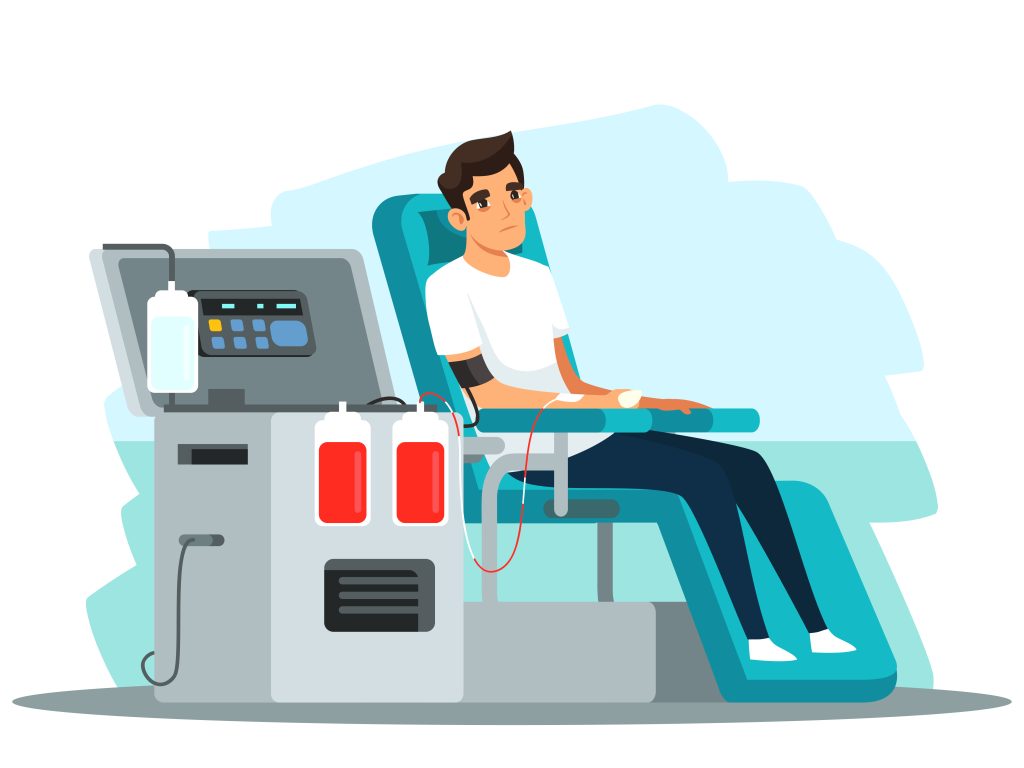
The dialyzer is part of a larger system known as hemodialysis equipment. This system includes a dialysis machine that pumps blood through the dialyzer. Within the dialyzer, a special fluid called dialysate assists in the filtration process.
Key Features of a Hemodialysis Dialyzer:
- Semi-permeable membrane: The core component for filtering.
- Synthetic materials: Often used for the membrane.
- Clearance rate: Indicates the dialyzer’s efficiency.
Dialyzers come in various shapes and sizes. They may have different membrane surface areas. These features affect the dialyzer’s performance and suitability for individual patients.
Choosing the right dialyzer is important for effective treatment. Nephrologists carefully select dialyzers based on the patient’s specific needs. This ensures that the patient’s blood is filtered efficiently and safely during dialysis sessions. Understanding what a hemodialysis dialyzer is helps in grasping its pivotal role in treatment.
The Role of Dialyzers in Kidney Dialysis
Dialyzers are integral to kidney dialysis, acting as artificial kidneys. They help replicate the filtration function of healthy kidneys. This is vital for patients with end-stage renal disease.
During kidney dialysis, blood flows through the dialyzer. Here, the semi-permeable membrane separates waste products from the blood. The dialysate fluid carries the waste away, leaving clean blood to return to the body.
Primary Functions of Dialyzers in Dialysis:
- Waste Removal: Eliminates toxins and waste.
- Fluid Balance: Extracts excess fluids.
- Chemical Equilibrium: Maintains safe blood chemistry.
Hemodialysis dialyzers facilitate multiple sessions per week. Each session runs for several hours to ensure thorough blood purification. This frequent cleaning is necessary to sustain life when kidneys fail to function adequately.
The efficiency of dialyzers is crucial. It determines how well they can remove waste and excess fluids. This directly impacts the patient’s health and quality of life. Dialyzers thus play a pivotal role in maintaining the stability and well-being of patients undergoing kidney dialysis.
How Hemodialysis Equipment Works
Hemodialysis equipment is essential for the blood purification process. It typically consists of several key components. Each component plays a vital role in the dialysis process.
The dialysis machine is the central piece of hemodialysis equipment. It controls the movement of blood and dialysate. The machine ensures that the process runs smoothly and safely.
A dialyzer, connected to the machine, performs the actual filtration. Blood flows from the patient into the dialyzer. It passes through a semi-permeable membrane that traps waste and excess fluid.
Key Components of Hemodialysis Equipment:
- Dialysis Machine: Regulates blood flow and pressure.
- Dialyzer: Acts as an artificial kidney for filtering.
- Dialysate: Fluid that aids in waste removal.
- Blood Tubes: Transport blood between patient and machine.
The dialysate, a special fluid, is crucial to the filtering process. It draws out toxins as blood passes through the dialyzer. After cleaning, the blood returns to the patient’s body, completing the cycle.
Hemodialysis equipment is designed for efficiency and safety. Proper maintenance is essential to ensure consistent, effective treatment. This comprehensive system serves as a lifeline for patients with kidney failure.
Types of Dialyzers: Low-Flux vs. High-Flux
Dialyzers are crucial in determining hemodialysis efficiency. They come in different types, primarily low-flux and high-flux. The choice between them depends on various factors, including medical needs.
Low-Flux Dialyzers:
- Suitable for routine dialysis treatments.
- Remove smaller molecules and solutes.
- Provide consistent and reliable performance.
Low-flux dialyzers are often used in standard treatments. They efficiently filter smaller waste particles. These dialyzers are reliable for regular blood cleaning sessions.
High-Flux Dialyzers:
- Capable of removing larger molecules.
- Improve clearance rates and treatment efficiency.
- May reduce dialysis duration for some patients.
High-flux dialyzers offer enhanced capabilities. They can filter larger molecules, leading to more thorough cleansing. This type may benefit patients needing aggressive waste removal.
The selection of dialyzer type is essential for effective treatment. It should consider the patient’s condition and treatment goals. Both low-flux and high-flux dialyzers serve critical roles in dialysis care. Choosing the right type can influence treatment success and patient comfort.
Components and Design of a Dialyzer
The dialyzer, often termed the artificial kidney, is an intricate piece of hemodialysis equipment. Its design serves a vital purpose: to filter and clean the blood effectively.
The main component of a dialyzer is the semi-permeable membrane. This membrane plays a crucial role in waste removal. Typically, the membrane is crafted from advanced synthetic materials.
Along with the membrane, several other parts are vital. These include:
- Blood compartment
- Dialysate compartment
- End caps
The blood compartment channels the patient’s blood through the dialyzer. Meanwhile, the dialysate compartment contains the cleaning solution. This dual design allows for efficient exchange and waste elimination.
The overall design affects the dialyzer’s performance. Factors such as membrane surface area and material influence its effectiveness. A well-engineered dialyzer ensures optimal blood purification, directly impacting patient outcomes. Understanding these components enhances our appreciation of their engineering marvel.
The Dialysis Process: Step by Step
Hemodialysis is a multi-step procedure designed to cleanse the blood. Understanding each step is key to appreciating its life-saving role.
First, a needle accesses the patient’s blood vessels. Typically, this is through a fistula or graft, creating a reliable entry point.
Next, blood flows from the patient into the dialysis machine. Here, it meets the dialyzer, the core hemodialysis equipment component.
Within the dialyzer, the semi-permeable membrane filters the blood. Waste products and excess fluids pass into the dialysate compartment.
Meanwhile, the cleaned blood returns to the patient. This continuous cycle ensures effective blood purification.
The entire process involves careful monitoring by healthcare professionals. Critical parameters include blood flow rates, dialysis duration, and patient vitals.
- Initiate access via needle insertion
- Direct blood flow to the dialysis machine
- Filter blood through the dialyzer membrane
- Remove waste using dialysate fluid
- Return cleansed blood to the body
This step-by-step operation underscores the precision required for successful dialysis. Comprehensive understanding of the process can enhance patient education and participation.
Dialyzer Selection: Factors and Considerations
Choosing the right dialyzer is crucial for effective dialysis. Various factors must be considered to ensure optimal treatment.
First, a patient’s medical needs often determine the choice. Specific conditions may require particular dialyzer types, either low-flux or high-flux.
Next, the dialyzer’s membrane size and surface area play a critical role. Larger surface areas may provide better clearance rates for waste.
Material compatibility is another important consideration. The dialyzer membrane should be biocompatible to minimize adverse reactions.
Lastly, the efficiency and cost of the dialyzer influence the decision. While cost-effective options are appealing, effectiveness cannot be compromised.
Key factors include:
- Patient-specific medical needs
- Membrane size and surface area
- Material compatibility
- Dialyzer cost and performance
Evaluating these factors can help healthcare providers tailor treatment. Thoughtful selection of the hemodialysis dialyzer supports improved patient outcomes and quality of life.
Dialyzer Reuse: Practices, Safety, and Controversies
Dialyzer reuse involves utilizing the same dialyzer for multiple dialysis sessions on the same patient. This practice can lower treatment costs significantly, but it raises important safety questions.
Strict protocols are vital when reusing dialyzers. Sterilization between uses is mandatory to prevent infections and ensure patient safety.
Safety is a primary concern, as improper sterilization can lead to serious complications. Each reused dialyzer must meet rigorous quality standards before it’s deemed safe for another session.
Controversies surrounding dialyzer reuse often focus on potential health risks versus financial benefits. Some argue that reuse may compromise treatment efficacy.
It is crucial for healthcare providers to weigh both pros and cons. The debate continues as innovations aim to improve reuse safety.
Main points of consideration include:
- Stringent sterilization protocols
- Potential cost reductions
- Risk of infection and complications
- Quality standards for reused dialyzers
- Ongoing debates about reuse practices
In conclusion, the balance between cost and safety must be carefully maintained. Properly conducted reuse can be beneficial, but must never compromise patient care.
Innovations and Advances in Dialyzer Technology
Recent advancements in dialyzer technology have greatly improved hemodialysis outcomes. Innovations aim to enhance efficiency, safety, and patient comfort during treatment.
One significant development is the creation of biocompatible materials. These materials minimize adverse reactions and enhance the interaction between blood and the dialyzer.
Technological improvements also focus on optimizing clearance rates. Enhanced membrane designs allow for more effective removal of toxins and excess fluids.
Research is ongoing to produce more energy-efficient dialysis machines. These machines aim to shorten treatment times and conserve resources.
Key innovations include:
- Biocompatible materials
- Enhanced clearance rates
- More effective membrane designs
- Energy-efficient dialysis machines
These technological strides show promise for the future of dialysis care. They offer hope for better patient experiences and improved health outcomes.
As research progresses, further advancements are expected. The goal is to closely mimic natural kidney functions, providing life-saving improvements for those in need.
Patient Experience and Quality of Life
The journey of dialysis treatment extends beyond its medical aspects. The patient experience is vital in assessing the effectiveness of hemodialysis.
Quality of life can vary among dialysis patients. Factors impacting this include treatment frequency, duration, and side effects.
Dialysis can affect physical well-being and social life. Patients often need to adjust their routines and face dietary restrictions.
Support systems play a crucial role in enhancing quality of life. Family, healthcare providers, and patient advocacy groups are essential for emotional and practical support.
Factors influencing patient experience:
- Treatment side effects
- Support systems
- Lifestyle adjustments
- Dietary restrictions
The emotional and psychological impacts of dialysis should not be overlooked. Patients may struggle with feelings of dependence and emotional stress.
Enhancing the patient experience can lead to improved treatment outcomes. Healthcare providers aim to reduce discomfort and encourage adherence to treatment schedules. Prioritizing patient needs and preferences helps maintain a positive outlook and overall health.
The Future of Hemodialysis Dialyzers
The horizon of hemodialysis technology is promising. Innovations aim to enhance dialyzer performance and patient comfort. Researchers focus on biocompatible materials to reduce adverse reactions.
Future developments may include wearable or implantable devices. These innovations could offer patients greater independence and flexibility. The goal is to closely mimic natural kidney functions.
Personalized treatment plans based on genetic information are emerging. These advancements could revolutionize dialysis care. The integration of digital health tools may also improve monitoring and outcomes. Overall, the future of hemodialysis holds potential for significant improvements in patient care and quality of life.
Conclusion
Hemodialysis dialyzers play a crucial role in supporting life for those with kidney failure. They form the heart of hemodialysis equipment, ensuring the effective removal of waste and fluid from the blood. As innovations continue, the future promises even greater strides in improving patient care and treatment outcomes. Understanding their role and significance can empower patients, caregivers, and healthcare professionals. By staying informed, we can contribute to better health management and enhanced quality of life for dialysis patients.