Medical face masks have become a staple in our daily lives. They are crucial for infection control and personal protection. Understanding the different types of masks is essential for choosing the right one.
Surgical masks, respirator mask, and cloth masks each serve unique purposes. Their effectiveness varies based on design, material, and fit. Knowing these differences can help you make informed decisions.
Healthcare professionals rely on masks to protect themselves and their patients. For the general public, masks are a key tool in reducing disease spread. Choosing the right mask can enhance safety in various environments.
This guide will explain the types and uses of medical face masks. It will help you understand their importance and how to use them effectively.
What Are Medical Face Masks?
Medical face masks are protective barriers that cover the nose and mouth. They help prevent the spread of infectious diseases. Their main role is to block respiratory droplets from reaching others.
These masks come in various forms, each serving a specific purpose. Some masks are designed for medical professionals, while others are suitable for general public use. The choice of mask largely depends on the environment and exposure risk.
Key features of medical face masks include:
- Filtration efficiency
- Material breathability
- Proper fit and comfort
Understanding these features can guide users in selecting the right mask. With proper knowledge, anyone can protect themselves and others effectively.
Main Types of Medical Face Masks
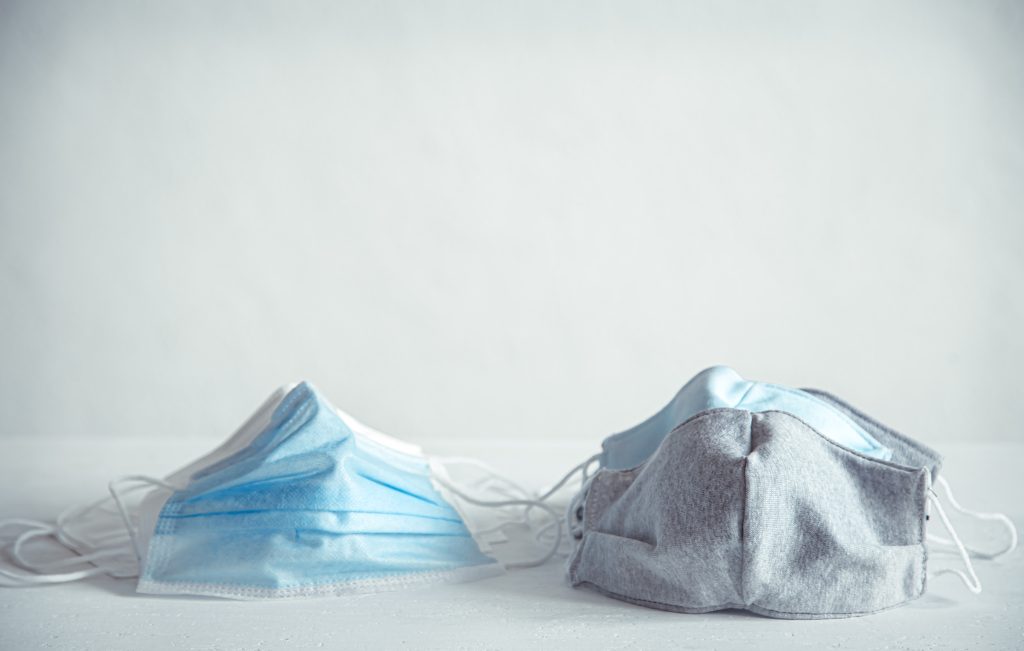
Medical face masks vary in type and functionality. The most common types include surgical masks, respirator masks, and cloth masks. Each type offers differing levels of protection based on its design and material.
Surgical Masks (Surgical Face Masks)
Surgical masks are a staple in healthcare settings. They are designed to protect against large droplets, splashes, and sprays. Often worn by surgeons and medical staff during procedures, these masks provide a barrier to help block contaminants.
These masks typically feature:
- Multi-layered construction
- Loose-fitting design
- Disposable nature
Surgical masks are not intended to filter out small airborne particles. They offer limited protection against smaller pathogens. Despite this, they are crucial in reducing transmission risk in close-contact settings.
Respirator Mask (e.g., N95)
Respirator masks, such as the N95, provide superior protection. They are designed to filter out at least 95% of airborne particles. This high level of filtration makes them suitable for healthcare workers and high-risk environments.
Key features of respirator masks include:
- Tight-fitting seal
- Multiple filtration layers
- Certification by health authorities
A proper fit test is essential to maximize efficacy. Without a snug fit, their protective benefits diminish. In situations with high exposure risks, respirator masks are often the preferred choice.
Cloth and Mouth Masks
Cloth and mouth masks are versatile and reusable. They are popular for everyday use, offering basic protection in non-medical settings. Made from various materials like cotton, these masks balance protection with comfort.
Benefits of cloth masks include:
- Washability and reusability
- Customizable designs and colors
- General public availability
While not as protective as surgical or 3m respirator masks, they still help reduce viral spread. Their effectiveness increases when combined with other preventive measures. For general public use, cloth masks provide a convenient protective option.
How to Choose the Right Medical Mask
Choosing the right medical mask depends on the environment and level of exposure risk. Consider the mask’s filtration efficiency and fit. A well-fitted mask ensures better protection and comfort for the wearer.
Factors to consider when selecting a mask include:
- Purpose of use (e.g., healthcare vs. public setting)
- Risk level of exposure to pathogens
- Fit and comfort based on face shape
Masks with higher filtration are preferable in high-risk scenarios. For day-to-day use, a cloth mask might suffice. Remember, wearing a mask correctly is crucial for its effectiveness. Always check guidelines from health authorities to make informed decisions.
Proper Use and Care of Medical Masks
Proper use of medical masks is essential for effective protection. Always cover both the nose and mouth fully. Make sure the mask fits snugly against the sides of your face without gaps.
To maintain hygiene, follow these care steps for masks:
- Wash reusable masks after each use
- Discard disposable masks after single use
- Handle masks by the ear loops or straps
Avoid touching the front of the mask while wearing it. This reduces the risk of contamination. Store clean masks in a dry, clean place when not in use. Proper storage preserves the integrity of the mask and ensures safety for the next use.
When and Where to Use Each Type of Mask
Selecting the right mask depends on your environment and risk level. Use surgical masks in standard healthcare settings where droplet protection is needed. They are best for situations with lower exposure risks.
Respirator masks, like N95s, are for high-risk settings where small particles are a concern. Choose this mask when the chances of airborne transmission are high. Cloth and mouth masks are suitable for general public use in less risky environments.
- Surgical masks: Healthcare settings
- Respirator masks: High-risk areas
- Cloth masks: Public spaces with lower exposure risks
Guidelines from Health Authorities
Health authorities like the World Health Organization and the CDC provide key mask-wearing guidelines. They emphasize the importance of proper fit and consistent use in high-risk areas. Such guidance helps in maximizing protection.
Proper usage involves covering both the nose and mouth at all times. Health authorities recommend avoiding frequent mask adjustments.
- Ensure a snug fit.
- Avoid touching the mask frequently.
- Replace masks regularly or when damp.
Key Takeaways: Protecting Yourself and Others
Wearing a medical face mask is an essential step in infection control. Each mask type serves a specific purpose and offers unique levels of protection. Selecting the right mask involves understanding your environment and risk level.
Key points for maximizing safety include:
- Always cover both nose and mouth.
- Ensure a proper fit.
- Follow health authority guidelines.
- Dispose of or sanitize masks appropriately.
- Combine mask use with other preventive measures.