Lightning is one of the most powerful and unpredictable forces in nature. In seconds, a single strike can damage sensitive equipment, shut down operations, and put lives at risk. For industrial facilities, this is not just a disruption — it is a serious safety and operational threat.
This is why a properly designed and maintained Lightning Protection System is essential, not optional. It protects equipment, ensures safety, and keeps operations running during severe weather.
EXS Synergy understands the importance of reliable lightning protection. With strong expertise in Electrical & Instrumentation services, they help industrial facilities build effective protection strategies that safeguard both people and critical systems. This guide will help you understand the best practices and why lightning protection is vital for your facility.
What Is a Lightning Protection System?
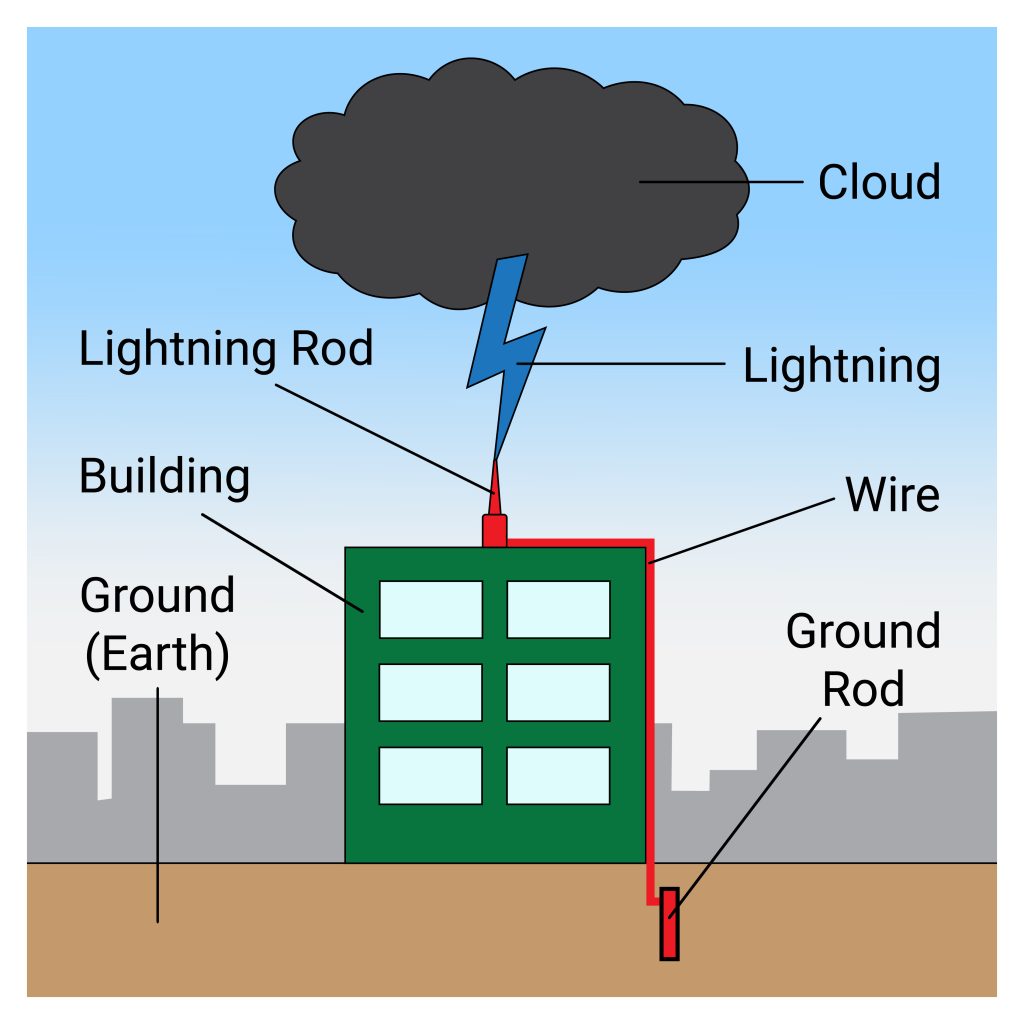
A Lightning Protection System is a network of components designed to intercept a lightning strike and safely direct the electrical current into the ground — away from your building, equipment, and people.
It does not stop lightning from striking. What it does is control where the strike goes and how the energy is discharged — preventing fires, explosions, equipment damage, and injury.
A complete system typically includes:
- Air terminals (lightning rods) — Intercept the strike at the highest point
- Down conductors — Carry the electrical current from the air terminal down to the ground
- Grounding system — Safely disperses the energy into the earth
- Surge protection devices — Protect electrical panels and sensitive equipment from voltage spikes
All four components work together. If one part is missing or poorly installed, the entire system is compromised.
Why Electrical & Instrumentation Systems Are So Vulnerable
Modern industrial facilities rely heavily on Electrical & Instrumentation systems. These include control panels, sensors, transmitters, PLCs, SCADA systems, and communication networks — all of which are extremely sensitive to electrical surges.
Here is the problem. A lightning strike does not have to hit your building directly to cause damage. A nearby strike can send a surge through your power lines, communication cables, or even the ground itself — and that surge can travel straight into your instrumentation systems.
The result can be:
- Burned-out sensors and transmitters
- Corrupted data and control system failures
- Damaged electrical panels and switchgear
- Unexpected plant shutdowns
- Costly repairs and extended downtime
This is why a lightning protection system must be designed with your electrical and instrumentation infrastructure in mind — not just the physical structure of the building.
Best Practice 1 — Conduct a Proper Risk Assessment First
Before installing or upgrading a lightning protection system, start with a thorough risk assessment.
This means looking at:
- The geographic location of your facility and how frequently lightning strikes occur in that area
- The height and structure of your buildings and equipment
- The type and sensitivity of your electrical and instrumentation systems
- The potential consequences of a lightning strike — safety risks, financial losses, operational downtime
A risk assessment gives you a clear picture of what you are dealing with and helps you design a system that is right for your specific situation. Not every facility has the same risk level, and not every facility needs the same solution.
Skipping this step is one of the most common mistakes facilities make. Do not guess — assess.
Best Practice 2 — Design the System to Protect the Whole Facility
A lightning protection system should never be designed in isolation. It needs to account for every part of your facility — including all electrical and instrumentation systems.
This means:
Covering all structures — Every building, tank, tower, and outdoor equipment area should be included in the protection zone.
Protecting cable routes — Lightning surges travel through cables. All power cables, signal cables, and communication lines need to be shielded or routed in a way that limits exposure.
Installing surge protection at every entry point — Anywhere a cable enters a building or connects to sensitive equipment is a potential entry point for a surge. Surge protection devices should be installed at all of these points.
Bonding and grounding everything together — All metallic structures, equipment, and systems should be connected to a common grounding network. This prevents dangerous voltage differences between different parts of the facility during a strike.
A well-designed system treats the entire facility as one interconnected environment — because electrically, it is.
Best Practice 3 — Use the Right Standards and Codes
Lightning protection is not something you figure out as you go. There are established international and national standards that set the minimum requirements for system design, installation, and testing.
The most widely referenced standards include:
- NFPA 780 — Standard for the Installation of Lightning Protection Systems (USA)
- IEC 62305 — International standard for protection against lightning
- IEEE Standards — Relevant to grounding and surge protection in electrical systems
Working with a qualified team that knows these standards inside and out ensures your system is compliant, effective, and built to last. It also protects you from liability in the event of an incident.
Always verify that your lightning protection system meets the applicable standards for your region and industry.
Best Practice 4 — Pay Special Attention During Plant Turnaround
Plant turnaround is one of the best opportunities to inspect, upgrade, and improve your lightning protection system — and it is often overlooked.
During a plant turnaround, your facility is already offline for maintenance, inspection, and upgrades. This is the ideal time to:
- Inspect all air terminals, conductors, and grounding connections for wear, corrosion, or damage
- Test the grounding system to make sure resistance levels are within acceptable limits
- Check all surge protection devices and replace any that are worn or outdated
- Review the system design to see if any new structures or equipment additions require additional protection
- Update documentation and inspection records
Waiting until after a plant turnaround to address lightning protection means missing the window when it is easiest and most cost-effective to do the work. Build it into your turnaround checklist every single time.
Best Practice 5 — Test and Inspect Regularly
Installing a lightning protection system is not a one-and-done job. The system needs to be inspected and tested on a regular schedule to make sure it is still functioning as intended.
Here is what regular inspection should include:
- Visual inspection of all components — Look for physical damage, corrosion, loose connections, or anything that looks out of place
- Ground resistance testing — The grounding system needs to maintain a low resistance value to work properly. This should be tested at least once a year
- Surge protector checks — Surge protection devices have a limited lifespan and need to be replaced when they have absorbed significant surges or reached the end of their rated life
- Review after major storms — If your facility experiences a nearby or direct lightning strike, a post-event inspection should happen immediately
Keep detailed records of every inspection and test. This documentation is important for compliance, insurance, and ongoing maintenance planning.
Best Practice 6 — Train Your Team
Your lightning protection system is only as effective as the people responsible for maintaining and monitoring it.
Make sure your electrical and instrumentation team understands:
- How the lightning protection system works
- What to look for during visual inspections
- What to do immediately after a lightning event
- When to call in a specialist for testing or repairs
Lightning protection should be included in your facility’s overall safety training program — not treated as a separate or secondary topic. When your team knows what to watch for, small issues get caught before they become serious problems.
Common Mistakes to Avoid
Even facilities with lightning protection systems in place can get it wrong. Here are the most common mistakes:
Installing an incomplete system — A lightning rod on the roof means nothing if the grounding system is poor or the surge protection is missing.
Ignoring new additions — Every time a new structure, antenna, tank, or piece of equipment is added to your facility, the lightning protection design needs to be reviewed and updated.
Skipping maintenance — Components degrade over time. A system that was installed ten years ago and never inspected may offer little to no protection today.
Using unqualified contractors — Lightning protection is a specialized field. Hiring a general contractor who is not trained in this area is a risk not worth taking.
Not integrating with the electrical system design — Lightning protection and electrical system design need to work together from the start — not be treated as separate projects.
Conclusion
Lightning strikes without warning, and the damage can be immediate and severe. Industrial facilities risk damaged instrumentation, system failures, costly shutdowns, and serious safety incidents if proper protection is not in place.
A well-designed and properly maintained Lightning Protection System is a critical investment. When integrated into your Electrical & Instrumentation strategy and included in your Plant Turnaround planning, it helps ensure your facility remains safe, compliant, and fully operational.
EXS Synergy provides the expertise needed to design, install, and maintain reliable lightning protection systems. Their experience helps industrial facilities build strong protection that performs when it matters most.
Do not wait until a strike happens. Build the protection your facility needs with the right partner.