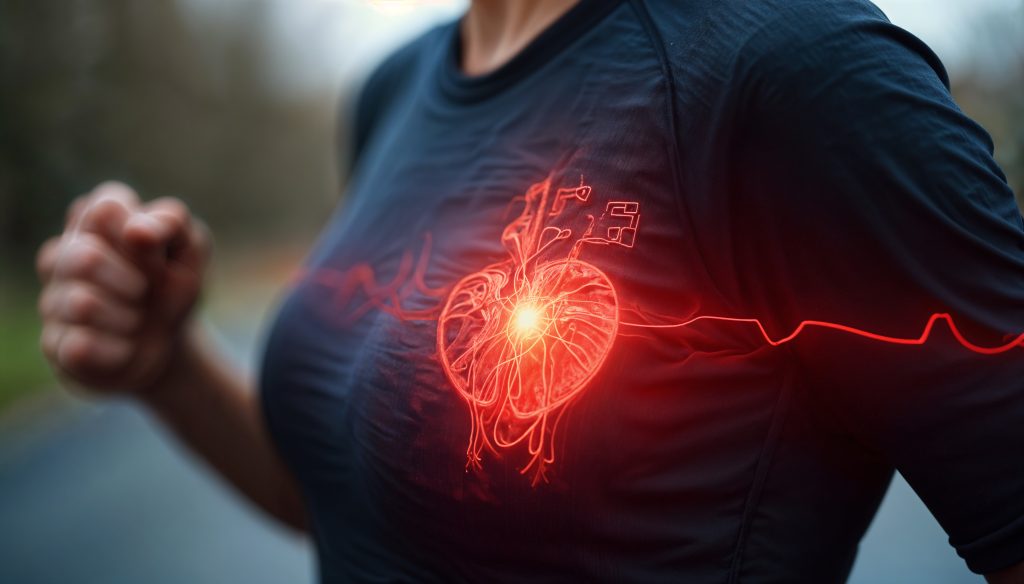
Heart disease is one of the leading causes of death around the world. Many people don’t even realize they have a problem until it’s too late. The good news is that heart blockage can be detected early through proper screening and testing. If you’ve ever wondered how to check heart blockage, understanding the right tests and symptoms can make all the difference.
At Putra Melaka Hospital, known as the best heart catheterization centre, patients receive professional heart screenings and diagnostic care using advanced technology. Whether you are experiencing chest pain or just want to know your heart health status, early testing can help prevent serious heart problems later on.
Understanding Heart Blockage
Before learning how to check heart blockage, it’s important to understand what it means. A heart blockage occurs when the blood vessels that supply oxygen-rich blood to your heart become narrowed or blocked due to a buildup of fatty deposits known as plaque. This condition is called coronary artery disease (CAD).
When plaque builds up, it restricts blood flow to the heart, which can cause chest pain, shortness of breath, or even lead to a heart attack. The more the blockage, the higher the risk.
Why Checking for Heart Blockage Is Important
Many people ignore mild chest discomfort or fatigue, thinking it’s just stress or aging. However, these can be early signs of blocked arteries. Regular checkups and screenings help identify blockages before they become life-threatening.
Knowing how to check heart blockage can:
- Prevent a potential heart attack.
- Detect problems early, even before symptoms appear.
- Help you start treatment quickly.
- Give peace of mind about your heart health.
- Early detection truly saves lives.
Common Symptoms of Heart Blockage
Sometimes, heart blockages don’t show clear symptoms. But when they do, it’s important to take them seriously. Here are some of the most common signs to watch out for:
- Chest pain or discomfort – A feeling of pressure, heaviness, or squeezing in your chest that may spread to your neck, jaw, shoulder, or arm.
- Shortness of breath – Especially when doing light activities or climbing stairs.
- Fatigue – Feeling tired even after resting.
- Heart palpitations – Fast or irregular heartbeat.
- Dizziness or fainting – Caused by reduced blood flow to the brain.
- Sweating and nausea – Often occur during a heart attack.
How to Check Heart Blockage: The Most Common Tests
There are several ways doctors can check for heart blockages. The type of test depends on your symptoms, medical history, and risk factors. Let’s explore the most common and effective methods below.
1. Blood Tests
The first step in learning how to check heart blockage often begins with simple blood tests. Doctors look for certain markers that may suggest heart problems, such as:
- Cholesterol levels: High LDL (“bad”) cholesterol can lead to plaque buildup.
- Triglycerides: High levels may increase heart disease risk.
- High-sensitivity C-reactive protein (hs-CRP): Indicates inflammation in the arteries.
2. Electrocardiogram (ECG or EKG)
An ECG records your heart’s electrical activity. It helps detect irregular heartbeats, previous heart attacks, or changes caused by reduced blood flow. It’s a simple, painless test that only takes a few minutes.
At Putra Melaka Hospital, ECGs are part of their regular heart screening package, providing a fast and safe way to monitor heart health.
3. Stress Test (Treadmill Test)
If you want to know how to check heart blockage through exercise, the stress test is a common choice. You’ll walk or jog on a treadmill while your heart rate, blood pressure, and ECG are monitored.
This test helps show how your heart performs under stress and if certain areas are not getting enough blood. If your ECG changes or you experience chest pain during the test, it may indicate a blockage.
4. Echocardiogram (Heart Ultrasound)
An echocardiogram uses sound waves to create images of your heart. It shows how well your heart is pumping and if there’s damage to the heart muscle.
Doctors can also use a stress echocardiogram, which compares your heart’s performance before and after exercise. This test helps reveal if certain parts of your heart aren’t receiving enough blood due to blockages.
5. CT Coronary Angiogram (Cardiac CT Scan)
A Cardiac CT Scan is one of the most accurate ways to check for blockages without surgery. During the scan, contrast dye is injected into your veins, and a CT scanner captures detailed images of your heart arteries.
This test can:
- Detect calcium deposits (plaque) in your arteries.
- Identify narrowing or blockages.
- Provide a clear picture of your heart’s condition.
6. Coronary Angiogram (Cardiac Catheterization)
When other tests show possible blockage, a coronary angiogram is the most accurate test. It’s a minimally invasive procedure where a thin tube (catheter) is inserted into your artery (usually in your wrist or groin) and guided to your heart. A special dye is then injected, and X-ray images show where blockages are located.
This test can measure how severe the blockage is and help doctors plan treatment, such as angioplasty or stent placement, if needed.
Who Should Get Checked for Heart Blockage?
Not everyone needs all the tests mentioned above, but you should consider heart screening if you:
- Have a family history of heart disease.
- Are over 40 years old.
- Smoke or used to smoke.
- Have high blood pressure or high cholesterol.
- Have diabetes or are overweight.
- Lead a stressful or sedentary lifestyle.
Lifestyle Changes to Prevent Heart Blockage
While learning how to check heart blockage is vital, prevention is even better. Making small changes in your daily habits can protect your heart in the long run.
1. Eat a Heart-Healthy Diet
Choose foods that reduce cholesterol and inflammation, such as:
- Fresh fruits and vegetables
- Whole grains
- Lean proteins like fish and chicken
- Healthy fats like olive oil and nuts
- Avoid processed foods, sugary drinks, and fried snacks.
2. Exercise Regularly
Aim for at least 30 minutes of moderate exercise (like walking, swimming, or cycling) most days of the week. Regular physical activity keeps your arteries clear and improves circulation.
3. Quit Smoking
Smoking damages blood vessels and speeds up plaque buildup. Quitting smoking reduces heart disease risk almost immediately.
4. Manage Stress
High stress can raise blood pressure and cause unhealthy habits. Try relaxation techniques like meditation, yoga, or deep breathing.
5. Get Enough Sleep
Poor sleep affects heart health. Adults should aim for 7–9 hours of sleep per night.
6. Monitor Blood Pressure and Sugar
Keep track of your blood pressure and blood sugar regularly, especially if you have diabetes or hypertension.
Treatment Options for Heart Blockage
If tests confirm a blockage, don’t panic—treatment options are available. Depending on the severity, your doctor may recommend:
- Medications: To reduce cholesterol, lower blood pressure, and prevent clots.
- Angioplasty and Stenting: A small balloon opens the blocked artery, and a stent keeps it open.
- Bypass Surgery: For severe blockages, surgeons create a new path for blood to reach the heart.
- Lifestyle changes: Healthy habits can slow or reverse mild blockages.
Why Choose Putra Melaka Hospital for Heart Checkups
When it comes to knowing how to check heart blockage accurately, Putra Melaka Hospital stands out as one of the best heart catheterization centre in Malaysia. The hospital combines advanced medical equipment with expert cardiologists to ensure early detection and effective treatment.
Conclusion
Knowing how to check heart blockage is a major step toward protecting your heart and preventing a heart attack. Regular checkups, healthy habits, and timely testing can save your life.
If you experience chest pain, shortness of breath, or unusual fatigue, don’t wait. Visit Putra Melaka Hospital, the best heart checking center, for a full heart screening today. Their expert cardiologists and advanced facilities ensure your heart gets the attention it deserves—because early detection truly saves lives.
Find more about: