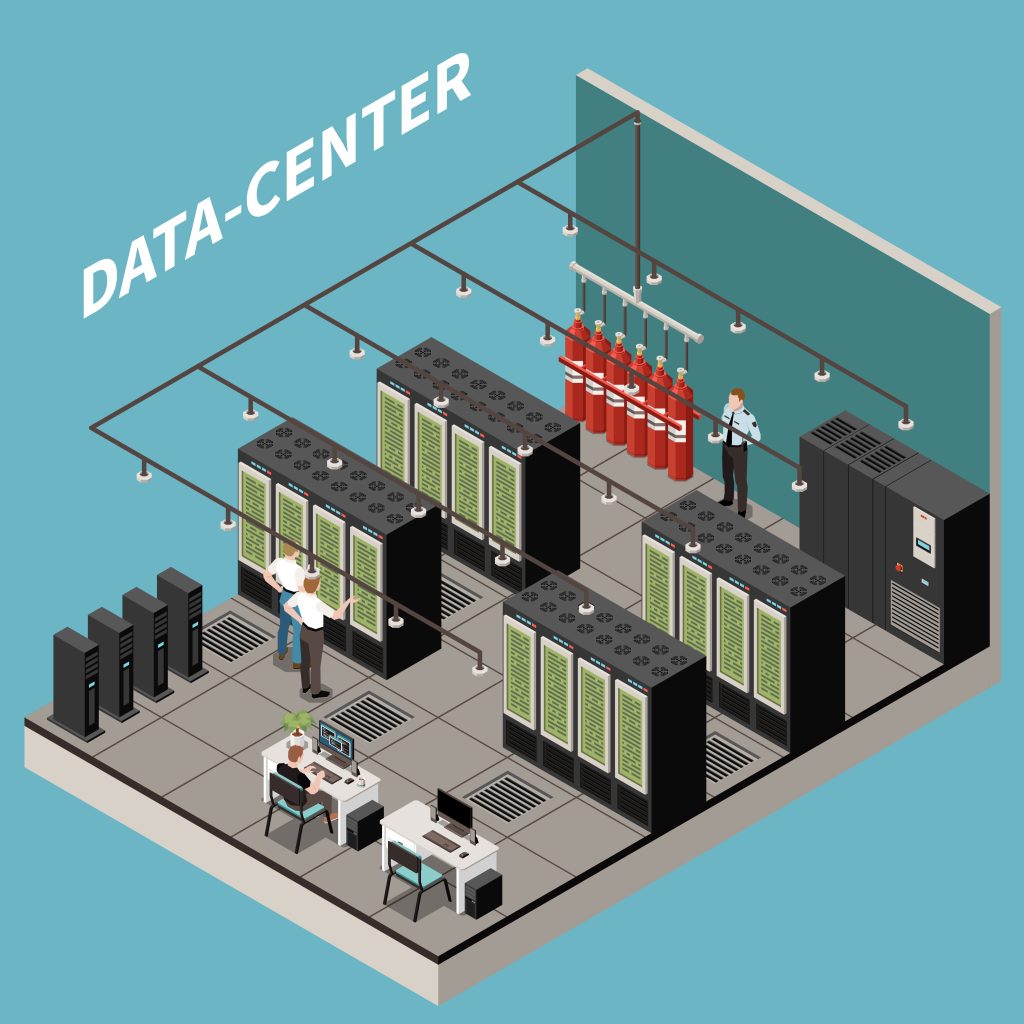
Data centers are the backbone of our digital world. They store, process, and manage vast amounts of data. As technology advances, so does the demand for efficient data center cooling systems.
Cooling systems are crucial for maintaining optimal performance and preventing overheating. Traditional methods are evolving to meet new challenges.
Innovative designs and technologies are emerging to enhance efficiency and sustainability. Liquid cooling and AI integration are leading the way.
Sustainability is a key focus, with renewable energy sources gaining traction. These trends are shaping the future of data center cooling.
Understanding these developments is vital for data center managers and IT professionals. They must adapt to ensure their systems remain efficient and sustainable.
The Evolving Landscape of Data Center Cooling
Data centers consume about 1% of global electricity. Efficient cooling systems are essential to reduce energy usage and operational costs. The landscape of data center cooling is shifting rapidly.
As the demand for data processing grows, so does the need for scalable and flexible cooling solutions. Traditional air-based systems are being enhanced or replaced by advanced methods. This change is driven by the pursuit of efficiency and environmental responsibility.
Recent trends show an increase in adopting technologies that optimize cooling. Some notable developments include:
- Integration of AI and machine learning to predict maintenance and energy needs.
- Modular designs that offer flexibility and scalability for diverse needs.
- Use of free cooling techniques, especially in cool climates.
Edge data centers are rising due to their proximity to end-users. They pose unique cooling challenges. These compact spaces require innovative designs and solutions that save both space and energy. Adapting to these trends is crucial for future-ready data center operations.
Innovative Data Center Cooling System Designs
As technology advances, new cooling system designs are emerging to meet growing demands. Designers focus on maximizing efficiency while minimizing environmental impact. Innovation is key to staying ahead in this competitive field.
Modular data center designs have become a popular solution. They offer scalability and can be customized to suit varied operational needs. These designs allow for easy expansion without compromising on efficiency. Adaptability is crucial as data requirements grow.
Immersion cooling is a groundbreaking approach gaining traction. Servers are submerged in thermally conductive liquids to enhance cooling efficiency. This method significantly reduces energy consumption and increases sustainability.
Modern cooling strategies often incorporate a blend of traditional and novel technologies. Some cutting-edge design elements include:
- Direct-to-chip cooling for precise temperature management.
- Hot and cold aisle containment to improve airflow and efficiency.
- Use of phase change materials for effective heat absorption.
Incorporating these innovations helps data centers maintain optimal performance. By embracing these forward-thinking designs, data center operators can meet energy goals and improve sustainability. Innovative cooling systems not only enhance operational efficiency but also contribute to a greener future.
Liquid Cooling: Efficiency and Sustainability
Liquid cooling technologies have revolutionized data center operations in recent years. Compared to traditional air cooling, liquid systems offer superior efficiency. They lower energy consumption by up to 30%, a significant reduction in a center’s power usage.
Immersion cooling is a standout method in this domain. By submerging servers in a specially-designed fluid, this technique achieves unmatched thermal regulation. The fluid efficiently absorbs and dissipates heat, maintaining optimal server conditions. This method not only boosts performance but also extends hardware lifespan.
Direct-to-chip cooling is another popular liquid solution. It delivers coolant directly to the hottest components, ensuring targeted temperature control. This precision reduces cooling costs and boosts energy efficiency.
The benefits of liquid cooling systems include:
- Enhanced heat transfer capabilities
- Lower operational costs and energy usage
- Increased equipment reliability
By embracing liquid cooling, data centers can achieve sustainable operations. These systems reduce the environmental footprint while maintaining high performance. Thus, liquid cooling plays a crucial role in the journey towards more eco-friendly data processing environments.
The Role of AI and Smart Technologies in Cooling
Artificial Intelligence (AI) is transforming how data centers manage their cooling systems. By analyzing vast amounts of operational data, AI optimizes energy use and helps maintain ideal temperatures. It allows data centers to operate more efficiently and cost-effectively.
Smart technologies enhance the adaptability of cooling systems. They incorporate IoT devices and smart sensors to monitor conditions in real-time. Such capabilities enable swift responses to temperature changes and ensure consistent performance.
Key benefits of integrating AI and smart technologies include:
- Predictive maintenance to prevent system failures
- Dynamic adjustments to cooling based on real-time data
- Enhanced energy efficiency and reduced costs
The integration of AI has paved the way for smarter, more responsive cooling solutions. As technology evolves, the role of AI in optimizing data center operations will continue to grow, leading to smarter and greener data environments.
Sustainable and Renewable Cooling Solutions
As energy demands grow, sustainable cooling becomes essential for data centers. Innovators are turning to renewable resources to power and optimize cooling systems. This not only reduces carbon footprints but also cuts operational costs.
The trend is shifting towards clean energy integration in cooling systems. Wind and solar power are frequently used to provide renewable energy sources. These solutions align with global efforts to reduce reliance on nonrenewable resources.
Sustainable cooling strategies also consider conservation methods. For example:
- Free cooling utilizes cool external air in suitable climates
- Water-efficient technologies minimize consumption
- Phase change materials absorb heat efficiently
These approaches reflect the industry’s commitment to ecological responsibility. By adopting sustainable practices, data centers enhance their operations and reduce environmental impacts. With the rising emphasis on clean energy, renewable cooling solutions are gaining momentum worldwide. This trend is likely to shape the future of data center infrastructure.
Challenges and Considerations for Future Cooling Systems
As data centers advance, so do the complexities of their cooling needs. One major challenge is maintaining efficiency in high-density environments. With more equipment packed into limited space, effective cooling becomes crucial.
Balancing cooling and operational costs is another significant concern. It’s vital for operators to consider both initial design and ongoing management costs. Future cooling solutions need to address these factors creatively.
Key challenges and considerations include:
- Water usage in cooling technologies
- Adapting to climate change impacts
- Integrating advanced technologies like AI and IoT
Effective strategies will need to evolve alongside technological advancements. Preparing for future cooling demands is essential. Building adaptable and efficient systems today sets the foundation for tomorrow’s data centers.
Conclusion: Preparing for the Future of Data Center Cooling
The future of data center cooling is dynamic and filled with potential. As technology advances, so must our cooling strategies. Efficiency and sustainability are at the core of these future trends.
Innovative designs and smarter technologies promise a new era of cooling systems. By embracing these advancements, we can ensure data centers that are both environmentally and economically beneficial. The journey towards modern, efficient cooling has begun.
Find more about: