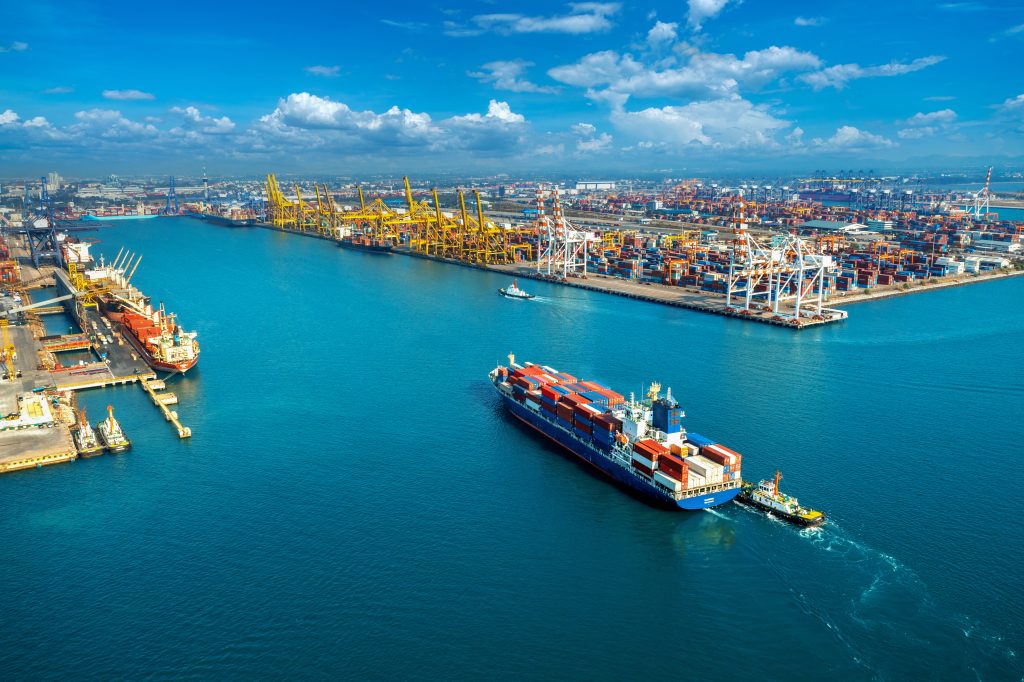
Whether it’s sending goods overseas or moving products within the country, having the right logistics partner makes all the difference. De Hubs is a leading provider of freight forwarding in Malaysia, offering complete solutions to make sure goods reach their destinations quickly and safely.
In this article, we will look at why freight forwarding in Malaysia plays a big role in successful logistics, how it works, and why working with experts like De Hubs can save time, reduce costs, and improve business efficiency.
What Is Freight Forwarding?
Freight forwarding is the coordination and management of goods being transported, whether by sea, air, rail, or road. Freight forwarders act as middlemen between shippers and transportation services. They take care of all the details, including:
- Booking cargo space with carriers
- Handling customs clearance
- Preparing shipping documents
- Arranging storage and warehousing
- Tracking shipments from start to finish
The Role of Freight Forwarding in Malaysia
Malaysia is a major hub for trade in Southeast Asia. Its location between the Pacific and Indian Oceans, plus strong connections to global shipping routes, makes it a prime location for importing and exporting goods.
Here’s why freight forwarding in Malaysia is so important:
- Strategic Location – Ports like Port Klang and Tanjung Pelepas connect Malaysia to the world’s busiest trade routes.
- Growing Economy – Malaysia’s strong manufacturing and export industries need efficient logistics to stay competitive.
- Global Trade Links – With strong ties to countries in Asia, Europe, and the Americas, smooth freight forwarding keeps goods moving without delays.
Without reliable freight forwarding, businesses could face shipment delays, extra costs, or even lost goods.
How Freight Forwarding Works in Malaysia
Freight forwarding in Malaysia covers all major transport methods:
a) Sea Freight
Most international shipments move by sea because it’s cost-effective for large and heavy goods. Forwarders book cargo containers, arrange loading, and handle port clearance.
b) Air Freight
Air freight is faster but more expensive. It’s used for urgent or high-value goods. Freight forwarders manage flight bookings, customs clearance, and delivery to the final destination.
c) Land Transport
Within Malaysia, trucks and trains move goods between ports, airports, and warehouses. Freight forwarders coordinate this to ensure smooth connections between sea or air shipments and inland delivery.
Key Steps in the Freight Forwarding Process
Freight forwarding in Malaysia involves several steps:
- Planning the Shipment – Choosing the best transport mode, route, and schedule.
- Booking Transport – Reserving cargo space with shipping lines, airlines, or trucking companies.
- Preparing Documentation – Handling bills of lading, invoices, export/import permits, and customs forms.
- Customs Clearance – Ensuring goods meet all regulations for entry and exit.
- Cargo Handling – Packing, loading, and unloading goods safely.
- Delivery – Getting goods to the final customer on time.
Freight Forwarding and Customs in Malaysia
One of the most challenging parts of shipping is dealing with customs. Malaysia has strict import and export rules, and mistakes in paperwork can cause long delays. Freight forwarders handle:
- Import/export permits
- Customs declarations
- Duty and tax payments
- Compliance with trade regulations
By having these steps managed professionally, shipments clear customs faster and avoid costly penalties.
Sea Freight Forwarding in Malaysia – A Closer Look
Sea freight plays a huge role in Malaysian trade. Major ports like Port Klang, Tanjung Pelepas, and Penang Port handle millions of containers each year. Freight forwarders coordinate with these ports to ensure smooth loading and unloading.
Advantages of sea freight in Malaysia:
- Cost-effective for large shipments
- Eco-friendly compared to air freight
- Suitable for a wide range of goods
Forwarders like De Hubs also manage Full Container Load (FCL) and Less than Container Load (LCL) shipments, giving businesses flexibility based on their cargo size.
Air Freight Forwarding in Malaysia – When Speed Matters
Air freight is the fastest way to move goods, especially for urgent or perishable items. Malaysia’s main air cargo hub is Kuala Lumpur International Airport (KLIA), which connects to major cities worldwide.
Benefits of air freight forwarding include:
- Fast delivery times
- High security for valuable goods
- Reliable schedules
While air freight is more expensive, freight forwarders help businesses find the most cost-effective options without sacrificing speed.
Choosing the Right Freight Forwarder in Malaysia
Not all freight forwarding companies are the same. When choosing a partner, look for:
- Experience – Years of handling different types of shipments.
- Global Network – Connections with reliable carriers and agents worldwide.
- Customer Support – Fast responses and clear communication.
- Competitive Pricing – Fair rates without hidden fees.
De Hubs stands out as a trusted name in freight forwarding in Malaysia, offering complete logistics services that cover every step of the process.
Conclusion
Freight forwarding is more than just moving goods from one place to another. It’s about ensuring that every step of the process is smooth, cost-effective, and reliable. In Malaysia’s growing economy, having a skilled freight forwarder is essential for any business that depends on shipping.
De Hubs is a leading provider of freight forwarding in Malaysia, known for delivering efficient, reliable, and professional logistics services. By partnering with experts, businesses can save time, cut costs, and focus on growth knowing their shipments are in safe hands.
Find more about: