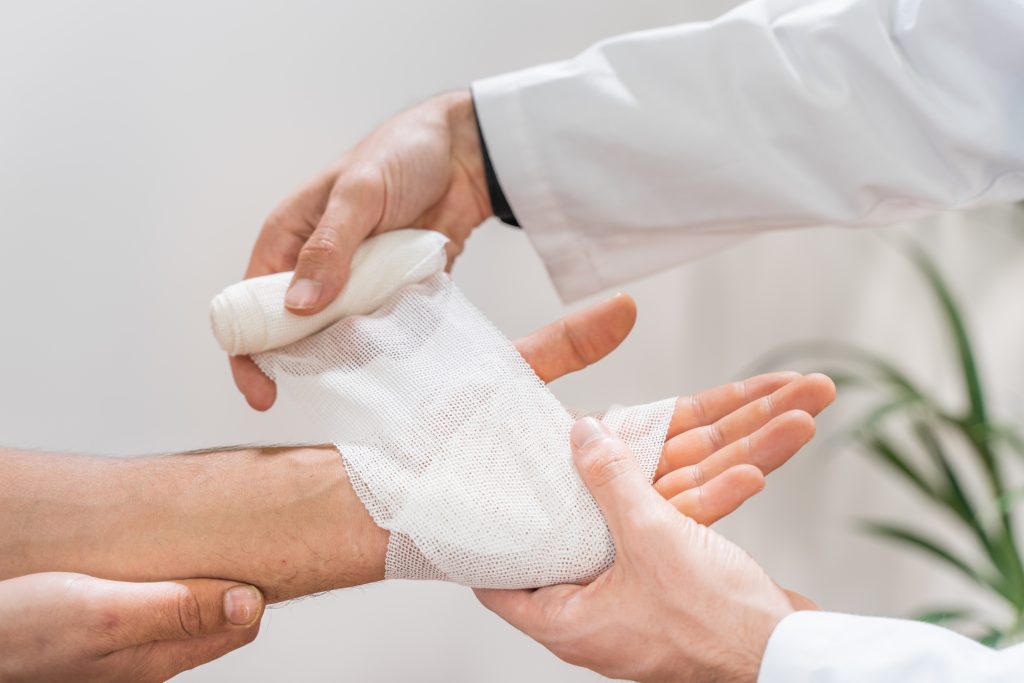
Proper wound dressing is vital for healing and preventing infection. It ensures wounds are clean and protected.
Whether you’re a caregiver or a healthcare professional, understanding wound care is essential.
Using sterile wound dressing materials minimizes infection risks. It also promotes faster recovery.
This guide offers practical tips for effective wound dressing. You’ll learn best practices for optimal wound care.
By following these guidelines, you can support healing and improve outcomes. Let’s explore the essentials of wound dressing.
Why Proper Wound Dressing Matters
Wound dressing plays a crucial role in preventing complications. It acts as a barrier against bacteria and contaminants. Effective wound care reduces the risk of infections, which can delay healing.
Proper dressing supports the natural healing process. It helps maintain a moist environment, which is key for tissue repair. This encourages faster and more efficient wound closure.
The benefits of correct wound dressing include:
- Reduced risk of infection and complications
- Promotion of quicker healing
- Protection from external irritants
Understanding the importance of wound dressing ensures better outcomes. By keeping wounds clean and properly covered, healing is more likely to proceed smoothly. Good wound care practices can enhance recovery and improve quality of life.
Preparing for Wound Dressing: Hygiene and Safety
Hygiene is vital when dressing wounds. Clean hands prevent the spread of germs and reduce infection risk. Always wash your hands thoroughly with soap before handling a wound.
Safety is equally important in wound care. Gather all necessary materials before starting, ensuring each item is sterile. This preparation minimizes interruptions and maintains a sterile environment.
Follow these hygiene and safety steps:
- Wash hands with soap and water.
- Use sterile gloves and materials.
- Avoid touching non-sterile surfaces.
Additionally, ensure a clean work area. Remove any potential contaminants nearby. A little caution goes a long way in preventing complications. Safe and hygienic practices set the foundation for successful wound dressing and healing.
Choosing the Right Wound Dressing
Selecting the correct wound dressing ensures optimal healing. Different wounds require different dressings based on their type and condition. Consider the wound’s size, depth, and moisture level before making a choice.
There are various types of wound dressings, each with specific benefits. Gauze is versatile and suitable for many wounds. However, more specialized dressings like hydrocolloid or foam may offer better moisture control for specific cases.
Here’s a quick guide to common dressing types:
- Gauze: Suitable for simple, shallow wounds.
- Hydrocolloid: Good for moist environments, promoting healing.
- Foam: Ideal for wounds with heavy drainage.
- Alginate: Best for heavily exuding wounds due to their absorbency.
It’s also essential to consider the patient’s comfort and mobility. Dressings should not restrict movement or cause discomfort. Additionally, some dressings provide transparency for easy monitoring, reducing the need for frequent changes. Tailoring the dressing choice to the wound’s needs and patient’s lifestyle can greatly enhance healing outcomes. Always consult with a healthcare provider if unsure about which dressing to use.
Step-by-Step Guide to Dressing a Wound
Proper wound dressing involves several crucial steps. Begin by gathering all necessary supplies. Ensure everything is within easy reach to streamline the process.
First, wash your hands thoroughly with soap and water. Wearing gloves can provide an additional barrier against infection. This step is vital for hygiene and preventing contamination.
Next, gently clean the wound using saline solution or a prescribed wound cleanser. Carefully remove any debris or dead tissue. Avoid using antiseptics unless directed by a healthcare provider.
After cleaning, assess the wound’s condition. Look for signs of infection, such as redness, swelling, or pus. Once assessed, choose the appropriate dressing based on the wound’s characteristics.
Follow these steps for applying the dressing:
- Place the dressing over the wound without touching the inner surface.
- Secure the dressing with medical tape or bandages.
- Ensure the dressing stays dry and is not too tight.
Finally, document the dressing change. Note the date, time, and any observations about the wound’s progress. This record-keeping will aid in monitoring healing and identifying any issues early. Regularly reviewing these steps can ensure consistency and accuracy in wound care.
Tips for Effective Wound Care at Home
Caring for wounds at home involves diligence and attention to detail. Developing a routine can ensure wounds heal effectively and minimize complications. Consistent care aids in faster recovery and better outcomes.
It’s essential to follow guidelines set by healthcare professionals. Apply sterile wound dressings as recommended to avoid infection. Monitor the wound regularly for any changes. This vigilance allows for early detection of potential problems.
Consider these additional tips for maintaining effective wound care at home:
- Keep the wound dry and clean at all times.
- Maintain a well-balanced diet to support healing.
- Avoid stress on the wounded area to prevent further injury.
- Stay hydrated to promote overall health.
- Seek advice if unsure about any aspect of wound care.
Adherence to these tips can empower you to manage wound care with confidence. By doing so, you can contribute positively to the healing process and ensure timely recovery.
Signs of Infection and When to Seek Help
Recognizing infection signs early is crucial for proper wound care. Untreated infections can worsen and delay healing. Understanding these signs helps you act promptly.
Common signs of infection include:
- Redness and swelling around the wound
- Increased pain or tenderness
- Warmth near the site
- Pus or unusual drainage
- Foul odor emanating from the wound
If you notice any of these symptoms, contact a healthcare professional immediately. Timely intervention can prevent more serious complications. Even subtle changes in the wound’s appearance or how it feels can be significant. Do not hesitate to seek help if you are uncertain or concerned about the wound’s condition.
Common Mistakes to Avoid in Wound Dressing
To ensure effective wound care, avoid these common mistakes. Errors can lead to infections or delayed healing. Staying informed helps prevent them.
Key mistakes to steer clear of include:
- Using non-sterile materials for dressing the wound
- Neglecting regular dressing changes as needed
- Ignoring signs of deterioration in wound condition
- Applying dressing too loosely, risking contamination
Being mindful of these errors helps in maintaining a clean and protected wound environment. Proper wound dressing techniques are essential for promoting healing and reducing complications. Always adhere to recommended practices for optimal results.
Conclusion: Supporting Healing with Proper Wound Care
Proper wound care is vital for preventing infections and ensuring fast recovery. By following best practices in wound dressing, you can greatly enhance healing.
Stay vigilant and adhere to recommended guidelines. This not only safeguards your health but also promotes effective and timely recovery. Always seek advice from healthcare professionals when needed.