Nonwoven fabrics have become essential in various industries due to their versatility, durability, and cost-effectiveness. From healthcare to automotive, these fabrics offer unique solutions tailored to specific needs. In this article, we’ll explore top nonwoven fabric solutions, their applications, and how they can benefit your business.
What Are Nonwoven Fabrics?
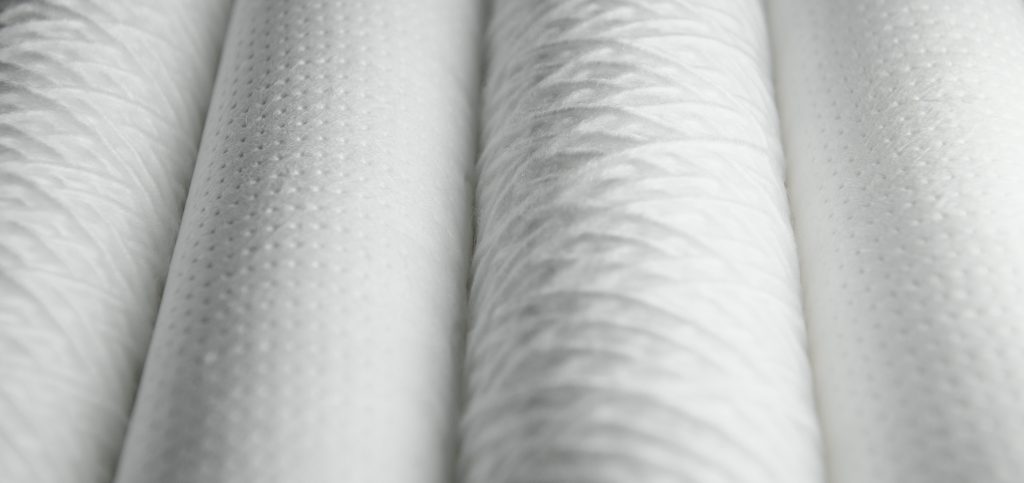
Nonwoven fabrics are materials made from fibers bonded together through chemical, mechanical, or thermal processes. Unlike traditional woven or knitted fabrics, nonwoven materials don’t require weaving or knitting. This results in a fabric with unique properties that make it suitable for a variety of applications.
Key Characteristics of Nonwoven Fabrics
- Durability: Nonwoven fabrics are known for their strength and durability, making them ideal for long-lasting applications.
- Lightweight: These fabrics are generally lightweight, offering ease of use and transportation.
- Versatility: Nonwoven materials can be engineered to meet specific requirements, making them suitable for diverse applications.
- Cost-Effective: Due to their manufacturing process, nonwoven fabrics are often more affordable than traditional textiles.
Top Nonwoven Fabric Solutions
Healthcare Nonwoven Fabrics
Nonwoven fabrics play a crucial role in the healthcare sector. They are used in various medical products, including surgical gowns, masks, and drapes. These fabrics offer excellent barrier properties, protecting against bacteria and other contaminants.
Automotive Nonwoven Fabrics
In the automotive industry, nonwoven fabrics are used for interior linings, filters, and insulation. They provide sound absorption, durability, and are often lightweight, contributing to overall vehicle efficiency.
Geotextile Nonwoven Fabrics
Geotextiles are a type of nonwoven fabric used in civil engineering projects. These fabrics help with soil stabilization, erosion control, and drainage. They are essential in road construction, landfills, and other infrastructure projects.
Consumer Goods Nonwoven Fabrics
Nonwoven fabrics are widely used in consumer goods, including hygiene products like diapers and wipes. Their softness, absorbency, and strength make them ideal for these applications.
Agricultural Nonwoven Fabrics
In agriculture, nonwoven fabrics are used for crop protection, weed control, and soil stabilization. They provide a breathable barrier that helps maintain optimal growing conditions.
Benefits of Using Nonwoven Fabrics
Customizable Solutions
Nonwoven fabrics can be tailored to meet specific needs. Whether you require a fabric with high absorbency, strength, or barrier properties, nonwoven materials can be engineered to deliver the desired performance.
Environmental Impact
Many nonwoven fabrics are designed with sustainability in mind. They can be made from recycled materials and are often recyclable themselves. This makes them an eco-friendly choice for various applications.
Cost-Effectiveness
The manufacturing process of nonwoven fabrics is generally more efficient than traditional textiles. This results in cost savings that can be passed on to consumers, making nonwoven solutions an economical choice.
Choosing the Right Nonwoven Fabric Solution
Identify Your Needs
Start by identifying the specific requirements of your application. Consider factors like durability, absorbency, and barrier properties. This will help you narrow down the options and choose a fabric that meets your needs.
Consult with Experts
Working with a knowledgeable supplier can help you find the best nonwoven fabric solution for your needs. They can provide insights into the latest developments in fabric technology and recommend materials that will deliver optimal performance.
Test and Evaluate
Before committing to a nonwoven fabric, it’s essential to test and evaluate its performance in your specific application. This will ensure that the fabric meets your expectations and delivers the desired results.
Innovations in Nonwoven Fabric Development
The nonwoven fabric industry is continuously evolving, with new developments and innovations emerging regularly. Here are some of the latest trends in nonwoven fabric development:
Sustainable Materials
There is a growing demand for sustainable nonwoven fabrics made from biodegradable or recycled materials. These fabrics help reduce environmental impact and meet the increasing consumer demand for eco-friendly products.
Advanced Manufacturing Techniques
Innovations in manufacturing techniques are leading to the development of nonwoven fabrics with enhanced properties. For example, new bonding methods can create fabrics with improved strength, softness, and absorbency.
Smart Fabrics
The integration of smart technology into nonwoven fabrics is an exciting development. These fabrics can include sensors or other electronic components, enabling them to monitor and respond to changes in their environment. This has potential applications in healthcare, automotive, and other industries.
Conclusion
Nonwoven fabrics offer a versatile, cost-effective solution for a wide range of applications. From healthcare to agriculture, these materials provide unique benefits that traditional textiles can’t match. By understanding your specific needs and working with experts, you can find the perfect nonwoven fabric solution for your business.
Investing in nonwoven fabric solutions can lead to improved performance, cost savings, and a positive environmental impact. Stay informed about the latest developments in nonwoven fabric technology to ensure you’re using the best materials for your needs.
Whether you’re looking for durable geotextiles, soft and absorbent hygiene products, or advanced smart fabrics, nonwoven materials have the potential to transform your business. Explore the possibilities and discover how nonwoven fabric solutions can meet your unique requirements.