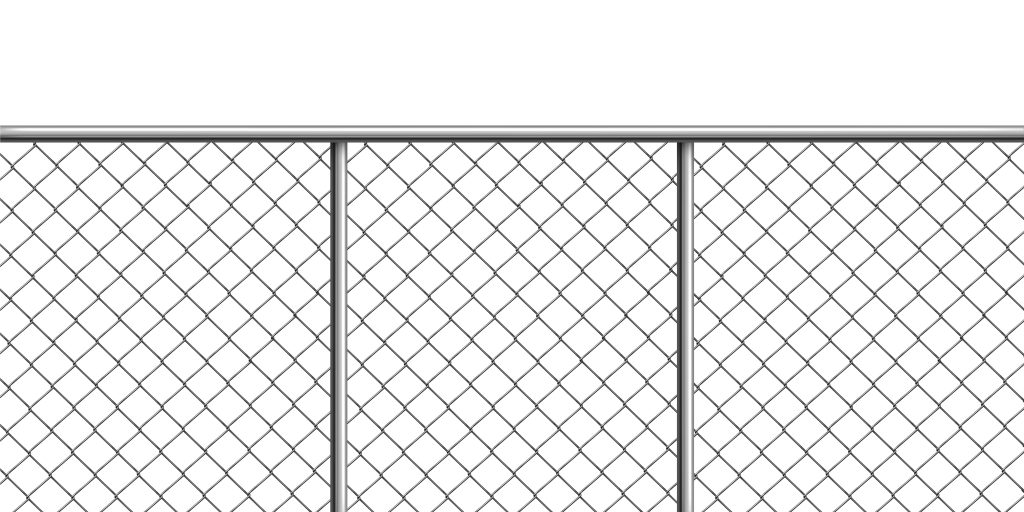
Wire mesh fencing is a popular choice for many homeowners and property managers. It offers durability, security, and a sleek appearance. However, like any outdoor structure, it requires regular maintenance to stay in top condition. Neglecting upkeep can lead to costly repairs and reduced effectiveness. This guide will provide you with essential tips and techniques to maintain your wire mesh fencing. Whether you have welded wire mesh or another type, these steps will help ensure your fence remains strong and attractive for years to come.
Why Regular Maintenance Matters for Wire Mesh Fencing
Regular maintenance is crucial for keeping wire mesh fencing effective and appealing. Without proper care, the fence can suffer from wear and tear. Environmental elements like rain and wind can accelerate this process.
Routine checks and maintenance prevent minor issues from becoming major problems. By addressing small damages early, you avoid costly repairs. Besides, a well-maintained fence provides better security and privacy.
Here are key reasons to maintain your fence:
- Extends the lifespan of the fence
- Ensures continuous security and safety
- Saves costs on significant repairs
- Maintains aesthetic appeal
A maintained fence is not only durable but also enhances your property’s value.
Essential Tools and Supplies for Fence Maintenance
Having the right tools is vital for effective fence maintenance. These tools simplify tasks and ensure thorough inspection and repairs. Proper supplies help preserve the fence’s condition over time.
Here’s a list of essential items:
- Wire cutters and pliers
- Rust-resistant paint or coating
- Mild detergent and brush
- Protective gloves and eyewear
- Screwdrivers and wrenches
With this toolkit, you’re prepared for most maintenance tasks. These tools and supplies help keep your wire mesh fencing in top shape. Being well-equipped also means you can tackle issues quickly as they arise.
Step-by-Step Inspection Checklist
A thorough inspection is the first step in maintaining a sturdy fence. Begin by walking along the fence line. Look for visible signs of wear or damage that need attention.
Focus on specific areas that commonly deteriorate. Check for broken wires, loose fittings, and signs of rust. Document any issues you find for later repair.
Here’s a detailed inspection checklist:
- Inspect for breaks or bent wires.
- Check for rust and corrosion spots.
- Ensure fittings and fasteners are secure.
- Look for signs of sagging or leaning.
- Examine gates, hinges, and moving parts.
Complete each inspection with a comprehensive review. This regular practice ensures your mesh fence remains in optimal condition. Always tailor your inspections based on recent weather events and specific fence material characteristics.
Cleaning Your Wire Mesh Fence: Best Practices
Cleaning your wire mesh fence is a simple task that can prevent damage. Routine cleaning helps to remove dirt and deter rust formation. Begin with water to rinse off loose particles and dust.
Use a mild detergent mixed with water for a deeper clean. Avoid harsh chemicals as they may damage the fence’s coating. A soft brush is ideal for scrubbing stubborn spots.
Remember these cleaning steps:
- Rinse with water first.
- Apply a mild detergent solution.
- Scrub gently using a soft brush.
- Rinse thoroughly to remove residue.
- Allow it to air dry completely.
Clean your fence regularly, especially after storms or heavy rain. Consistent upkeep will keep it looking its best and functionally sound.
Preventing and Treating Rust and Corrosion
Rust and corrosion can weaken wire mesh fencing, compromising its durability. Prevention is key to maintaining your fence’s longevity. Apply a rust-resistant coating or paint regularly to protect the metal.
Inspect your fence often for any signs of rust. Early detection makes treatment easier and prevents further damage. Address any problematic areas as soon as you notice them.
Follow these rust prevention tips:
- Apply a protective coating or paint.
- Check for rust regularly.
- Treat affected areas immediately.
- Ensure proper drainage to reduce moisture exposure.
- Trim vegetation around the fence to limit moisture retention.
By staying vigilant, you can keep your wire mesh fence in excellent condition year-round.
Repairing Common Issues: Loose Wires, Sagging, and Damage
Over time, wire mesh fencing can develop issues such as loose wires, sagging, and physical damage. These problems not only affect the fence’s appearance but also its functionality. Early repairs can prevent further deterioration.
To tackle these issues, first, identify any loose or broken wires. Tighten them with pliers or replace them if necessary. Next, inspect the fence for any sagging sections. Reinforce posts and tighten wire connections to restore stability.
For a thorough repair process, follow these steps:
- Secure loose wires with pliers.
- Reinforce sagging sections by tightening wire connections.
- Replace damaged sections promptly to maintain integrity.
- Regularly inspect joints and fittings for issues.
- Use appropriate tools for effective repairs.
Acting swiftly on these common issues helps ensure your wire mesh fencing remains secure and effective.
Seasonal and Weather-Related Maintenance Tips
Different weather conditions can impact wire mesh fencing. Prepare for maintenance with each season to ensure durability. Seasonal checks are essential.
In spring, inspect for rust and clean thoroughly. Summer requires attention to sagging due to heat. Fall demands clearing fallen leaves that trap moisture.
Quick seasonal tips include:
- Spring: Thorough cleaning and rust inspection
- Summer: Check for sagging or warping
- Fall: Remove debris to prevent moisture
- Winter: Examine for ice damage and rust
Regular seasonal maintenance protects the fence year-round and extends its lifespan significantly.
Maintaining Different Types of Mesh Fencing (Welded, Galvanized, PVC-Coated)
Each type of mesh fencing requires unique maintenance. Understanding these differences is crucial for effective upkeep.
Welded wire mesh demands regular checks for broken welds, an area prone to damage. Repair any breaks promptly to ensure security.
Galvanized wire mesh requires monitoring for zinc coating wear. Regularly apply a zinc-based spray to prevent rust.
PVC-coated mesh fencing needs less care but is not maintenance-free. Look for cracks or wear in the coating to avoid exposure to metal.
Maintenance tips by type:
- Welded: Inspect welds regularly
- Galvanized: Reapply zinc spray as needed
- PVC-Coated: Ensure coating is intact
Safety Precautions and Record-Keeping
Safety during fence maintenance is crucial. Wear protective gear such as gloves and goggles to prevent injuries. Proper gear ensures a secure working environment.
Keep detailed records of all maintenance activities. Tracking repairs helps anticipate future needs and costs. Documenting also aids in spotting recurring issues.
Key safety tips and record-keeping practices:
- Wear gloves and goggles for protection
- Maintain a detailed log of maintenance activities
- Regularly update records after each inspection or repair
When to Call a Professional
Some fencing issues require expert hands. Complex repairs or extensive damage may need professional help. It ensures repairs are done correctly and safely.
Consider hiring a professional if:
- Major structural damage is present
- Frequent issues occur despite regular maintenance
- You lack the necessary tools or expertise
Conclusion: Prolonging the Life and Security of Your Fence
Consistent maintenance of your wire mesh fencing is essential. It maximizes longevity and ensures security. Regular attention prevents costly repairs in the future.
Find more about: