Every country has an industry that keeps its economy running strong. In Malaysia, that powerhouse is the Fast-Moving Consumer Goods (FMCG) sector — a field that touches the lives of almost everyone, every single day. From the coffee you drink in the morning to the shampoo you use at night, FMCG products are everywhere.
This industry doesn’t just fill supermarket shelves but it fuels economic growth, creates jobs, and keeps businesses moving. And today, technology is making it even stronger. Modern systems like Food Manufacturing ERP help companies work smarter, faster, and more efficiently.
That’s where SL Information, a top ERP FMCG Malaysia provider, stands out. Their powerful ERP solutions help FMCG manufacturers manage everything from production and inventory to sales and finance under one digital system.
What is FMCG and Why Does It Matter?
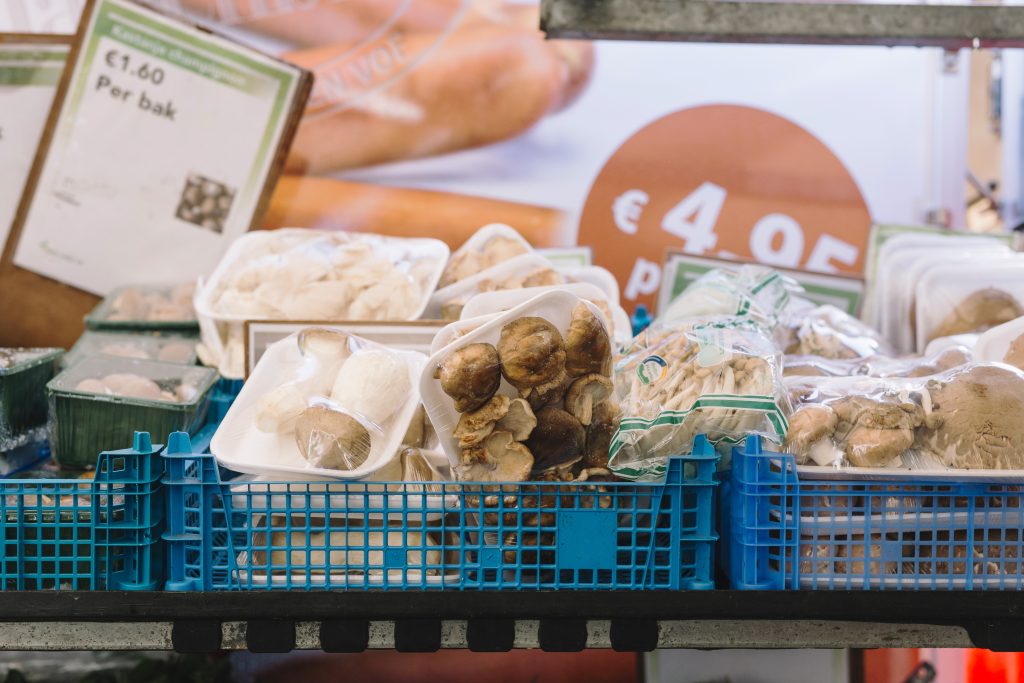
FMCG stands for Fast-Moving Consumer Goods, which refers to products that sell quickly and at relatively low cost. These are everyday essentials that people buy regularly — food, beverages, toiletries, cleaning supplies, and other household items.
Unlike luxury products or durable goods like cars or furniture, FMCG items have a short shelf life and high turnover. Think of things like instant noodles, bottled water, toothpaste, or soap. People buy them frequently, and retailers restock them constantly.
The FMCG industry in Malaysia is one of the country’s strongest economic pillars because it drives daily consumption and generates consistent business activity. Every ringgit spent on FMCG goods flows through multiple sectors.
The Power of FMCG Malaysia in the Economy
Malaysia’s FMCG sector has grown rapidly over the years. It contributes billions to the national GDP and employs thousands across the country. From large multinational brands to small local businesses, the industry forms a diverse and interconnected ecosystem.
FMCG Malaysia doesn’t just serve local consumers. Many homegrown companies export products to countries across Asia, the Middle East, and beyond. Malaysian-made snacks, sauces, and beverages are well-known for their quality and flavour, making them popular in international markets.
Consumer Behavior: The Heart of FMCG Malaysia
To understand why FMCG Malaysia continues to grow, we need to look at how consumers are changing. Malaysia’s population is young, urban, and tech-savvy. People value convenience, speed, and variety.
Busy lifestyles have created demand for ready-to-eat meals, instant beverages, and quick personal care products. At the same time, more Malaysians are becoming health-conscious, preferring organic, low-sugar, and sustainable items.
That’s where technology like Food Manufacturing ERP helps. It gives FMCG companies real-time control over production, inventory, and distribution, so they can meet customer needs quickly and efficiently.
How Food Manufacturing ERP Powers the FMCG Industry
Modern FMCG companies face tough competition. To succeed, they must produce high-quality products, manage costs, and deliver on time — all while staying flexible. A Food Manufacturing ERP system helps them do exactly that.
Here’s how it works:
An ERP (Enterprise Resource Planning) system connects every part of a business — from raw material sourcing to packaging, from accounting to sales. Everything happens in one digital platform.
For example, if a food manufacturer in Malaysia uses SL Information’s ERP FMCG Malaysia solution, they can:
- Monitor production in real time to prevent delays or errors
- Track ingredients and batches for full quality control
- Manage inventory automatically to avoid shortages or overstock
- Analyse sales data to forecast demand accurately
- Ensure compliance with food safety regulations
This level of control helps companies work smarter and make faster decisions, reducing waste and boosting productivity.
Supporting Small and Medium Enterprises (SMEs)
The FMCG sector isn’t just about big brands. Malaysia’s economy depends heavily on small and medium-sized enterprises (SMEs) that produce, package, or supply consumer goods.
Many of these SMEs face challenges such as limited resources, manual record-keeping, and unpredictable demand. Implementing a Food Manufacturing ERP system can help them compete with larger companies by improving efficiency and cutting costs.
SL Information provides flexible ERP systems that fit the needs of growing FMCG businesses — helping them scale up, automate workflows, and reduce human error. With technology as their foundation, even small players can expand confidently in the Malaysian market.
E-Commerce and the New Way Malaysians Shop
The digital revolution has changed how people buy FMCG products. Online shopping and food delivery apps have become part of daily life. Whether it’s ordering groceries from a smartphone or buying household items on an e-commerce site, consumers expect fast service and accurate deliveries.
This shift means FMCG companies must manage online and offline sales together. Food Manufacturing ERP software helps them do this by integrating inventory, orders, and logistics into one system.
The Role of Innovation and Sustainability
Innovation is shaping the future of FMCG Malaysia. Brands are experimenting with new ingredients, packaging designs, and marketing methods to stand out. But innovation doesn’t stop at the product level — it extends to operations too.
Companies are now focusing on sustainability to attract environmentally conscious consumers. They’re reducing plastic waste, using recyclable packaging, and improving energy efficiency in factories.
Challenges Faced by FMCG Malaysia
Despite its success, the FMCG sector faces challenges that require smart management:
- Rising raw material costs make it difficult to maintain profit margins.
- Supply chain disruptions can delay production and deliveries.
- Changing consumer expectations mean companies must innovate constantly.
- Regulatory requirements in food safety and labeling are getting stricter.
These issues can be overwhelming without proper systems in place. Food Manufacturing ERP helps tackle them by offering better visibility, traceability, and control over the entire supply chain.
How FMCG Malaysia Creates Jobs and Opportunities
One of the biggest reasons FMCG Malaysia drives economic growth is its ability to create jobs. From factory workers and drivers to marketers and store managers, the sector employs thousands of Malaysians.
When FMCG companies perform well, they boost household incomes, encourage entrepreneurship, and strengthen Malaysia’s position in the regional economy.
Government Support for FMCG Malaysia
The Malaysian government recognises the importance of the FMCG sector and continues to support it through policies that encourage innovation, digitalisation, and sustainability.
Initiatives like the Malaysia Digital Economy Blueprint (MyDIGITAL) push local companies to embrace new technologies such as Food Manufacturing ERP to stay competitive. Government grants and training programmes also help SMEs modernise their operations.
The Future of FMCG Malaysia: Going Digital
The future of FMCG Malaysia is digital, data-driven, and dynamic. Companies that embrace change will lead the market. With increasing use of automation, artificial intelligence, and ERP systems, operations are becoming more efficient and transparent.
And as the market grows, tools like Food Manufacturing ERP will be at the heart of success, connecting every part of the business and driving smart decision-making.
Conclusion
From your kitchen to your office pantry, FMCG Malaysia plays a part in daily life and national growth. It’s a powerful sector that drives the economy through manufacturing, exports, job creation, and innovation.
But as competition rises, technology becomes the key to staying ahead. SL Information, a top ERP FMCG Malaysia provider, helps businesses streamline their operations through advanced Food Manufacturing ERP solutions. With their help, FMCG companies can cut costs, improve quality, and achieve sustainable growth.
Find more about: