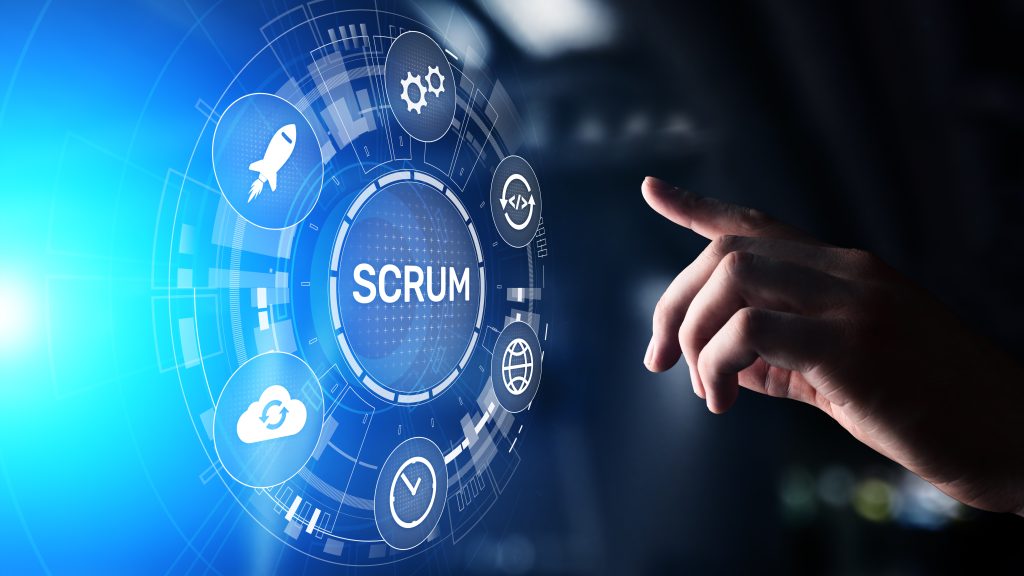
In the world of Agile project management, the role of a Scrum Master is pivotal. Agile methodologies have gained immense popularity due to their iterative approach and flexibility, and at the heart of Scrum, you’ll find the Registered Scrum Master (RSM). If you’re in the process of adopting Agile methods within your organization or looking to enhance your project management skills, understanding the role and benefits of a Registered Scrum Master is essential.
Let’s dive into the details of what a Registered Scrum Master is, why they’re important, and how they differ from other Agile roles such as Agile Coaches.
Understanding the Role of a Registered Scrum Master
The term ‘Registered Scrum Master’ indicates a Scrum professional who has undergone formal training and certification from the Agile Education Program, founded and designed by the creator of Scrum. These individuals ensure that the Scrum Team effectively follows Agile principles and the Scrum framework.
Core Responsibilities
A Registered Scrum Master’s responsibilities revolve around facilitating Scrum ceremonies, removing impediments, and ensuring that the team adheres to Agile practices. They act as a servant-leader, helping the team self-organize and work collaboratively to deliver high-quality products.
Difference from a Traditional Project Manager
Unlike traditional project managers, Registered Scrum Masters do not command and control. Instead, they guide and support the team, fostering an environment where each member is empowered to contribute their best work.
The Significance of Becoming a Registered Scrum Master
Becoming a Registered Scrum Master is not merely about holding a title; it’s about embracing a mindset geared towards Agile excellence. Here’s why having a Registered Scrum Master is significant for your team:
Ensures Effective Implementation of Scrum
Scrum, when not correctly implemented, can lead to confusion and inefficiency. A Registered Scrum Master ensures that the Scrum framework is understood and enacted by everyone on the team.
Acts as a Change Agent
As organizations transition from traditional project management approaches to Agile methodologies, the role of a Registered Scrum Master is crucial in managing this change and helping the team adapt to new processes.
Enhances Team Collaboration and Productivity
Through daily stand-ups, sprint planning, and retrospectives, a Registered Scrum Master encourages open communication and continuous improvement, which directly boosts team collaboration and productivity.
The Path to Becoming a Registered Scrum Master
To become a Registered Scrum Master, one must undergo specific training and pass a certification exam. Here’s a brief overview of the process:
Scrum Training
Scrum training is fundamental for understanding the principles of Scrum frameworks. It provides a strong Scrum foundation for someone aspiring to become a Registered Scrum Master.
Certification Programs
Certification programs offer structured learning and cover the Scrum framework in-depth. They are conducted by certified trainers who prepare candidates for the certification exam.
Continuous Learning
The Agile world is ever-evolving, and so, continuous learning is key to staying updated with the latest practices, tools, and techniques in Scrum.
Registered Scrum Master vs. Agile Coach
While both roles aim to facilitate the use of Agile methodologies, there are distinct differences between a Registered Scrum Master and an Agile Coach.
Scope of Work
A Registered Scrum Master typically focuses on a single Scrum Team, ensuring the team’s adherence to Scrum practices. An Agile Coach, on the other hand, may work across multiple teams or the entire organization, focusing on large-scale Agile transformation.
Level of Experience
Typically, an Agile Coach has more extensive experience in Agile practices and can mentor Registered Scrum Masters, helping them to overcome complex challenges.
Strategic vs. Tactical
An Agile Coach is often involved in strategic planning and can help shape the organization’s Agile journey. A Registered Scrum Master is more tactical, focusing on the day-to-day facilitation of Scrum events and team dynamics.
The Impact of a Registered Scrum Master on Team Performance
The presence of a Registered Scrum Master can significantly influence a team’s performance. With their guidance, teams can:
Improve Delivery Timelines
With a focus on sprints and iterative development, Registered Scrum Masters help teams deliver products faster and with greater efficiency.
Increase Product Quality
Continuous feedback and improvement are hallmarks of Agile, leading to higher quality products that better meet customer needs.
Foster a Positive Work Environment
The servant-leader approach of a Scrum Master can lead to a more positive and collaborative work environment, which is conducive to productivity and innovation.
Conclusion
A Registered Scrum Master is more than just a certification holder; they are vital to the successful implementation of Agile and Scrum practices within an organization. Their expertise and leadership can guide teams through the complexities of project management, ensuring that Agile principles are not just followed but embraced.
If you’re looking to enhance your team’s performance and streamline your project management processes, investing in Registered Scrum Master training and nurturing a Scrum Master within your team could be the key to unlocking greater success.
By fostering collaboration, facilitating continuous improvement, and acting as a catalyst for Agile adoption, Registered Scrum Masters play a crucial role in driving projects to successful completion in today’s fast-paced, ever-changing business landscape.
In the end, the value of a Registered Scrum Master lies in their ability to balance the need for structure with the flexibility that Agile offers, creating an environment where teams can thrive and produce their best work.