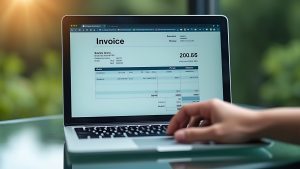
Navigating the world of tax compliance can be a complex task. Especially when it comes to understanding the LHDN E-Invoice guidelines in Malaysia. The LHDN, or Lembaga Hasil Dalam Negeri, is Malaysia tax authority. It has set forth guidelines for E-Invoice Malaysia, a digital solution for businesses to manage their invoices.
E-invoicing is not just a trend, but a necessity in today’s digital age. It streamlines the invoicing process, making it more efficient and less prone to errors. Understanding the LHDN e-invoice guidelines is crucial for businesses. It ensures they comply with tax regulations and avoid penalties.
In this article, we will delve into these guidelines. We aim to provide a comprehensive understanding of the e-invoicing process in Malaysia, its benefits, and how to remain compliant.
What is LHDN and E-Invoicing?
The Lembaga Hasil Dalam Negeri (LHDN) is the Inland Revenue Board of Malaysia. It is responsible for the administration of taxes and ensuring compliance with tax laws. E-Invoicing, or electronic invoicing, is a digital method of issuing and managing invoices. It replaces the traditional paper-based invoicing system, offering a more efficient and eco-friendly alternative.
The LHDN has established guidelines for e-invoicing. These guidelines ensure that businesses adhere to the correct procedures and standards when issuing e-invoices. Understanding these guidelines is crucial for businesses. It helps them to comply with tax regulations and streamline their invoicing process.
The Importance of E-Invoicing in Malaysia
E-Invoicing is becoming increasingly important in Malaysia. It is a key part of the country’s digital transformation strategy. The adoption of e-invoicing can lead to significant cost savings for businesses. It reduces the need for paper, printing, and storage, and it can streamline the invoicing process. Moreover, e-invoicing can improve accuracy and reduce errors. It eliminates the need for manual data entry, which can be prone to mistakes.
Finally, e-invoicing can enhance transparency in business transactions. It provides a clear audit trail, which can be useful for tax compliance and dispute resolution.
Key Components of the LHDN E-Invoice Guideline
The LHDN E-Invoice Guideline is a comprehensive document that outlines the requirements for e-invoicing in Malaysia. It is designed to help businesses comply with the country’s tax regulations.
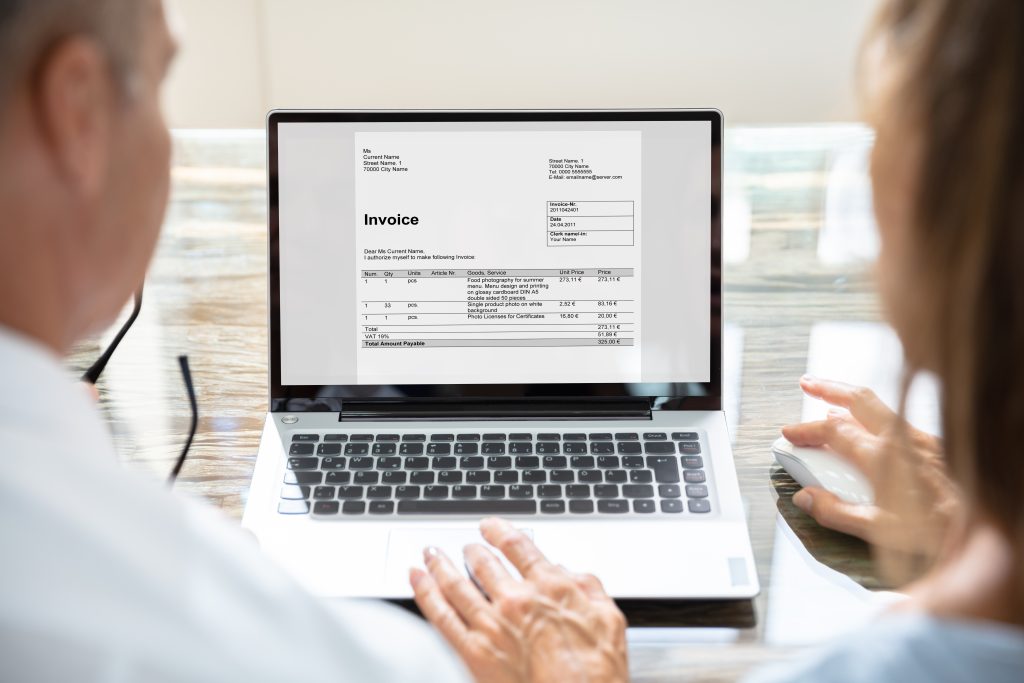
One of the key components of the guideline is the criteria for valid e-invoices. According to LHDN, a valid e-invoice must contain certain information, such as the supplier’s name and address, the invoice number and date, a description of the goods or services provided, and the total amount payable.
The guideline also provides a step-by-step process for implementing e-invoicing. This includes selecting an e-invoicing solution, configuring the system, training staff, and testing the system before going live.
- Criteria for valid e-invoices
- Step-by-step process for implementing e-invoicing
The guideline also emphasizes the importance of maintaining proper records. Businesses are required to retain e-invoices for a certain period, as specified by LHDN.
The guideline outlines the penalties for non-compliance. Businesses that fail to comply with the e-invoice requirements may face fines or other penalties.
Legal Framework and Compliance
E-invoicing Malaysia is governed by a legal framework that includes various acts and regulations. The LHDN E-Invoice Guideline is part of this framework, providing specific rules for electronic invoicing. Businesses must comply with these rules to meet their tax obligations.
This includes ensuring that e-invoices meet the criteria set by LHDN, maintaining proper records, and submitting e-invoices to LHDN for tax filing purposes. Non-compliance can result in penalties, including fines. Therefore, understanding and adhering to the LHDN E-Invoice Guideline is crucial for businesses operating in Malaysia.
Benefits of E-Invoicing for Businesses
Adopting e-invoicing can bring numerous benefits to businesses. One of the main advantages is cost savings. E-invoices are cheaper to process, send, and store compared to traditional paper invoices. E-invoicing also improves efficiency. It automates the invoicing process, reducing the time spent on manual tasks.
This allows businesses to focus more on their core operations. Moreover, e-invoicing reduces errors. Automated systems minimize the risk of human error, ensuring that invoices are accurate and complete. Lastly, e-invoicing aligns with the global trend towards digitalization. It prepares businesses for the digital economy, enhancing their competitiveness.
Step-by-Step Guide to Implementing E-Invoicing
Implementing e-invoicing in compliance with LHDN guidelines involves several steps. The first step is understanding the guidelines. Businesses should familiarize themselves with the LHDN e-invoice guidelines to ensure compliance. Next, businesses should choose an e-invoicing platform. The platform should meet the criteria set by LHDN and be able to generate valid e-invoices.
Once the platform is chosen, businesses should integrate it with their existing systems. This includes accounting and ERP software. The integration should be seamless to ensure smooth operations. The fourth step is training staff. Employees involved in the invoicing process should be trained on how to use the e-invoicing platform and understand the LHDN guidelines.
Lastly, businesses should regularly review their e-invoicing practices. This is to ensure ongoing compliance with the LHDN guidelines and to make necessary adjustments as the guidelines evolve.
Here is a summary of the steps:
- Understand the LHDN e-invoice guideline
- Choose an e-invoicing platform
- Integrate the platform with existing systems
- Train staff
- Regularly review e-invoicing practices
Record Keeping and Retention Requirements
Proper record-keeping is crucial in e-invoicing. Businesses must maintain accurate and complete records of all e-invoices. This is to ensure transparency and accountability. The LHDN guidelines specify a retention period for e-invoices. Businesses are required to keep e-invoices for a certain number of years. This is to facilitate tax audits and investigations.
Failure to maintain proper records can lead to penalties. Therefore, businesses should invest in reliable record-keeping systems. Lastly, businesses should regularly review their record-keeping practices. This is to ensure ongoing compliance with LHDN guidelines.
Penalties for Non-Compliance
Non-compliance with LHDN e-invoice guidelines can result in penalties. These penalties can be financial or legal in nature. They serve as a deterrent for businesses to ensure compliance. The severity of the penalty often depends on the extent of non-compliance.
For instance, repeated non-compliance may attract higher penalties. Therefore, businesses should strive to understand and adhere to the LHDN e-invoice guidelines. This will help avoid unnecessary penalties and maintain a good standing with the tax authority.
Conclusion: Staying Compliant with LHDN E-Invoice Guidelines
Staying compliant with LHDN e-invoice guidelines is crucial for businesses in Malaysia. It ensures smooth operations and avoids penalties associated with non-compliance. Understanding and implementing these guidelines can be a complex process. However, with the right resources and commitment, businesses can successfully navigate this digital transition.
Synergy Software Solutions offers a valuable e-invoicing Malaysia product that can greatly benefit businesses. By leveraging Synergy Software Solutions e-invoicing platform, businesses can streamline their invoicing processes, ensure compliance with LHDN guidelines, and reduce the risk of errors.
The platform helps businesses save money and work more efficiently. It also helps them keep accurate records. This leads to better transparency and accountability in their transactions. Choosing Synergy Software Solutions for E-Invoice Malaysia helps improve digital transformation and ensures easy tax compliance.
Learn more about How Businesses Can Prepare for E-Invoicing Malaysia and how E-Invoice Malaysia is a Game Changer?