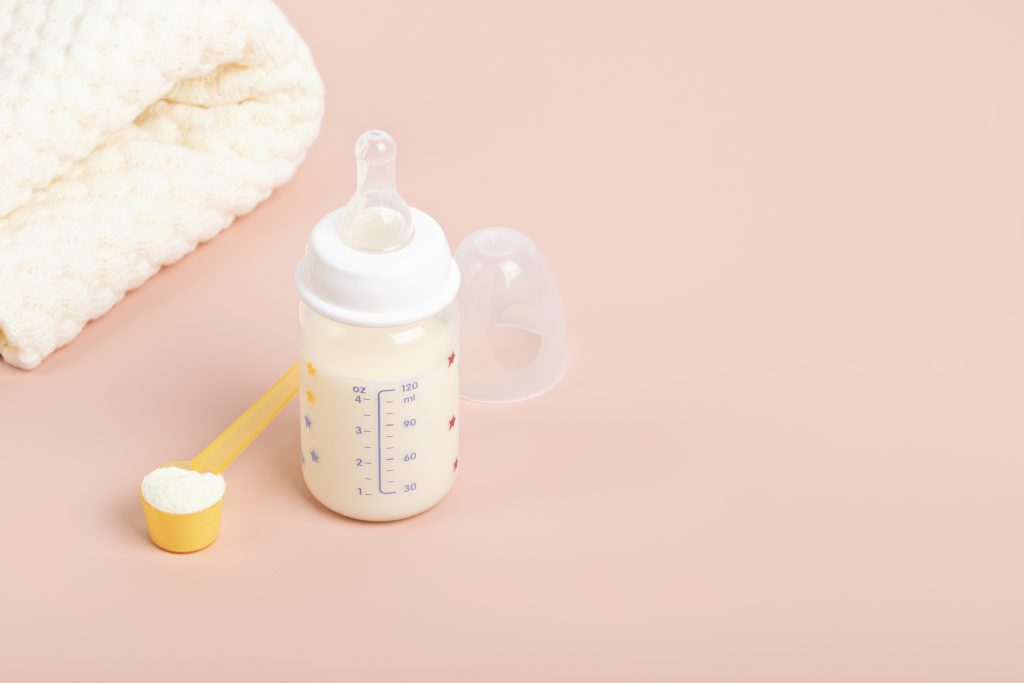
Transitioning from breastfeeding to baby bottle feeding is a significant milestone for both you and your baby. This change can be influenced by various factors, including returning to work, sharing feeding duties with other caregivers, or personal preference. Whatever the reason, it’s essential to approach this transition with patience and understanding.
In this guide, we’ll discuss the best practices for transitioning from breast to bottle feeding, the types of bottles available, and tips for making the process smoother for both you and your baby.
Why Transition from Breast to Bottle Feeding?
There are several reasons why parents might choose to transition from breastfeeding to bottle feeding. These can include:
- Returning to Work: Many parents need to return to work and may not have the flexibility to breastfeed during the day.
- Shared Responsibilities: Bottle feeding allows other caregivers, like partners or grandparents, to participate in feeding, giving the primary caregiver a much-needed break.
- Health Issues: Some mothers may encounter health issues that make breastfeeding difficult or impossible.
- Convenience: Bottle feeding can be more convenient in certain situations, such as during travel or when in public.
Choosing the Right Feeding Bottle for Newborn
The market is flooded with various types of newborn feeding bottles, making it challenging to choose the right one. Here are some factors to consider when selecting the best bottles newborns:
Material
Baby bottles are typically made from three materials:
- Plastic: Lightweight and durable, but ensure they are BPA-free.
- Glass: Heavier and more fragile, but they don’t contain any chemicals.
- Silicone: Flexible and lightweight, often used for collapsible bottles.
Nipple Flow
Nipple flow is crucial for your baby’s comfort. Newborns usually need a slow-flow nipple to mimic the natural breastfeeding experience. As your baby grows, you can switch to medium or fast-flow nipples.
Shape and Design
Bottles come in various shapes and designs, including:
- Standard Bottles: Traditional shape, easy to clean.
- Wide-Neck Bottles: Mimics the shape of a breast, ideal for breastfed babies.
- Anti-Colic Bottles: Designed to reduce the intake of air, which can help prevent gas and colic.
Anti-Colic Features
Some bottles come with built-in anti-colic features, such as vent systems or angled shapes, to help reduce the risk of colic.
Tips for a Smooth Transition
Transitioning from breast to baby bottle feeding can be challenging, but these tips can help make the process smoother:
Start Early
Begin introducing the bottle a few weeks before you plan to transition fully. This gives your baby time to adjust to the new feeding method.
Choose the Right Time
Select a time when your baby is calm and not too hungry. This will make them more receptive to trying something new.
Use Breast Milk
Initially, use expressed breast milk in the bottle to make the transition easier. The familiar taste can help your baby accept the bottle more readily.
Try Different Nipples
Experiment with different nipple shapes and flows to find the one your baby prefers. Some babies may be picky and might need a few tries to find the right fit.
Let Someone Else Feed
Sometimes, babies associate their mothers with breastfeeding and may refuse the bottle. Let another caregiver try feeding your baby with the bottle to see if they accept it more readily.
Be Patient
The transition may take time, so be patient and don’t force your baby to accept the bottle. Gradually increase bottle feeds while decreasing breastfeeding sessions.
Comfort Your Baby
Hold your baby close and maintain eye contact during bottle feeding to provide comfort and reassurance.
Common Challenges and Solutions
Transitioning from breast to bottle feeding can come with its own set of challenges. Here are some common issues and solutions:
Baby Refuses the Bottle
If your baby refuses the bottle, try the following:
- Change the Nipple: Different shapes and flows can make a difference.
- Warm the Milk: Some babies prefer milk at body temperature.
- Change Feeding Positions: Try holding your baby in different positions to see which one they prefer.
Gassiness and Colic
If your baby becomes gassy or colicky, consider using anti-colic bottles and burp your baby frequently during and after feeds.
Decreased Milk Supply
If you’re still breastfeeding and notice a decrease in milk supply, ensure you’re pumping regularly to maintain supply.
Best Practices for Bottle Feeding
Here are some best practices to ensure a positive bottle-feeding experience:
Clean and Sterilize
Always clean and sterilize bottles and nipples before each use to prevent infections.
Follow Feeding Cues
Pay attention to your baby’s hunger and fullness cues. Don’t force them to finish a bottle if they’re full.
Maintain a Feeding Schedule
Establish a regular feeding schedule to help your baby adjust to the new routine.
Monitor Baby’s Weight
Keep track of your baby’s weight gain and growth to ensure they’re getting enough nutrition.
Stay Hydrated
Make sure you stay hydrated and maintain a balanced diet to support your milk supply if you’re still breastfeeding.
Conclusion
Switching from breast to bottle feeding is a big change. However, with the right approach, it can be a smooth and enjoyable experience for both you and your baby. By choosing the right baby feeding bottles, being patient, and following best practices, you can ensure your baby continues to thrive during this transition. Remember, every baby is different, so be flexible and attentive to your baby’s needs throughout the process.
Baby Network in Malaysia is a baby feeding brand distributor for baby feeding bottles. For parents in search of top-notch feeding items, we suggest checking out the selection from Baby Network. Their wide array of baby feeding necessities is crafted with both safety and convenience in mind, ensuring you have all the tools needed to promote your baby’s healthy eating habits. Baby Network offers products that support your child’s well-being, making feeding times simpler and more enjoyable for both you and your baby.
Utilizing the appropriate baby feeding products can greatly improve the feeding experience for both you and your little one. As you progress through the different phases of your baby’s development, it is essential to have dependable products that meet their requirements. Check out Baby Network’s product collection today!