Felt material has quietly woven itself into the fabric of our lives quite literally! Whether you’re a craft enthusiast or an industrial professional, understanding the nuances of felt fabric can elevate your projects from “meh” to magnificent.
In this comprehensive guide, we’ll explore everything from the basics of felt material to its varied applications, and even share a few humorous, real-life examples along the way. So grab a cuppa and settle in as we embark on a journey through the world of felt.
What is Felt Fabric?
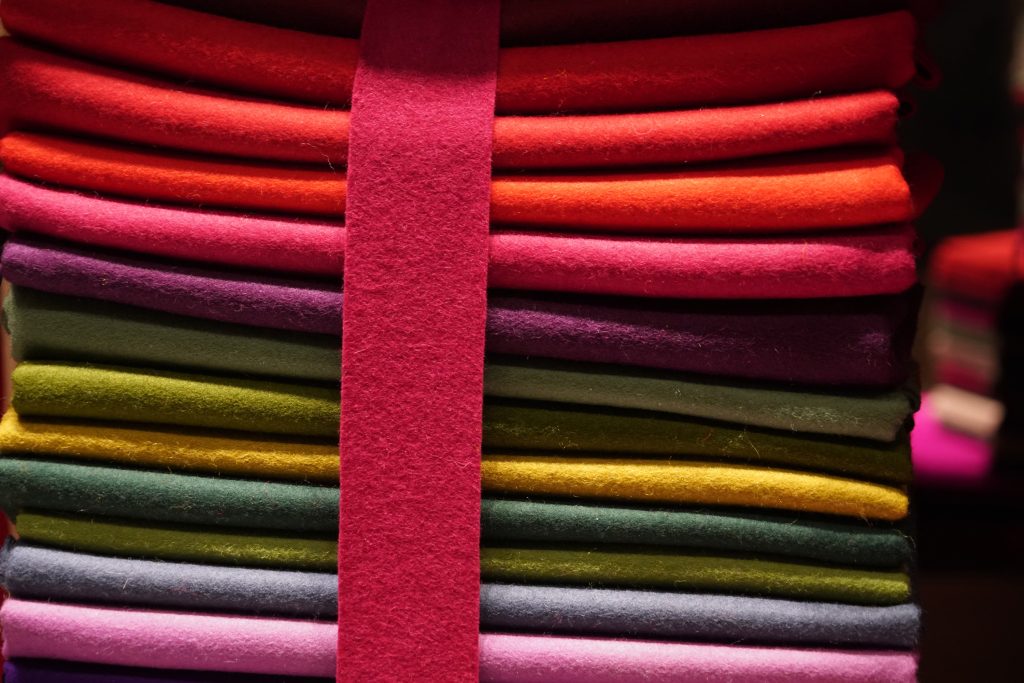
Felt fabric is a unique, non-woven textile that is produced by matting, condensing, and pressing fibres together. Unlike woven or knitted fabrics, felt is formed without the interlacing of yarns, resulting in a dense, durable material that boasts both insulation and acoustic properties. This versatility makes felt a favourite across various industries and crafts.
Imagine the warm, cosy embrace of a hand-knitted scarf on a chilly British winter’s day, that’s the kind of comforting quality felt material can bring to both everyday life and specialised applications.
Importance of Felt in Crafting and Industry
Felt material holds a special place in the crafting world because it is not only aesthetically pleasing but also highly functional. From DIY projects and home decor to industrial uses in automotive and building sectors, felt is celebrated for its durability and adaptability. It can be easily cut, sewn, and shaped, making it ideal for creative endeavours and practical applications alike.
For instance, a local craft group once transformed ordinary cotton felt into a series of colourful, textured wall hangings. Their clever repurposing of simple materials turned a drab community centre into a vibrant space full of life and creativity. Such real-life examples underscore how felt material can be both a canvas for artistic expression and a workhorse in industrial settings.
Type of Felt Fabric
Understanding the different types of felt fabric is essential when selecting the right material for your project. Each type offers distinct characteristics that can suit various needs.
1. Wool Felt
Wool felt is perhaps the most traditional form of felt. Made primarily from sheep’s wool, this type of felt is prized for its natural resilience, warmth, and water-resistant qualities. It’s a favourite among crafters for projects ranging from decorative hats to intricate sculptures. The fibres naturally interlock, creating a strong yet flexible material that can withstand the test of time.
Think of a classic British country fair where wool felt was used to create charming, hand-crafted toys that not only delighted children but also withstood countless play sessions. Its durability meant that each toy retained its shape and colour, even after a day filled with outdoor adventures.
2. Cotton Felt
Cotton felt, known for its softness and versatility, is another popular choice. Although it might not have the inherent water-resistant properties of wool felt, its smooth texture and bright colours make it ideal for projects that demand a softer finish. Moreover, cotton felt is often used in the production of fashion accessories, children’s crafts, and even intricate lace-like designs.
If you’ve ever found yourself entangled in a cotton felt project that seemed to have a mind of its own, you’re not alone. Many a DIY enthusiast has humorously recounted how their “simple” craft turned into an unintended abstract art piece — proof that sometimes, even craft supplies have a quirky sense of humour.
3. Craft Felt
Craft felt is an entirely synthetic type of felt commonly used in arts and crafts. However, it tends to develop fuzz and pilling quickly, making it unsuitable for sewing projects that require durability or frequent handling. It is the most affordable variety of felt, which makes it a great choice for children’s crafts or when working with a limited budget. The cost varies based on the synthetic material used, with polyester being the most prevalent.
Many crafters begin their felt-making journey with craft felt before transitioning to wool-blend felt or pure wool felt. While synthetic felt shares some advantages with traditional felt, it differs in certain aspects unlike wool or fur felt, acrylic felt is highly flammable and uncomfortable when worn against the skin.
Additionally, craft felt is not the most eco-friendly choice, as synthetic materials take a long time to break down, and their production generates chemical pollutants.
4. Semi Cured Felt
Semi cured felt is an advanced type of felt material produced using a controlled chemical bonding process. In this method, a resin such as phenolic or epoxy is applied to a blend of fibres and is only partially cured during production. This partial curing leaves the felt in a unique, semi-finished state that offers a balanced combination of flexibility, compressibility, and durability.
The semi cured state is particularly beneficial for applications that require both insulation and the potential for subsequent moulding or shaping. For instance, these felts are engineered to serve as effective insulators in automotive components—ideal for insulator hoods, dash outer panels, cowl tops, and tunnel absorbers—where they contribute to sound dampening, thermal stability, and overall structural performance.
By maintaining a degree of malleability while still providing consistent density and excellent insulation characteristics, semi cured felt is a high-performance solution in sectors demanding reliable and adaptable insulation materials.
5. Fire Retardant Felt
Fire retardant felt is a type of engineered felt designed to resist ignition and slow the spread of fire. It’s produced by incorporating specialised chemical additives during manufacturing, which means that when exposed to a flame or high heat, the material is less likely to catch fire and if it does ignite, it will self-extinguish quickly. In practice, this makes fire retardant felt especially valuable in applications where safety is paramount, such as in the sound dampening components for compressors in split unit air conditioners.
By adhering to rigorous standards (for instance, UL94), fire retardant felt helps protect both the equipment and the environment by reducing the risk of fire hazards. Imagine it as the quiet guardian in your air conditioning system, working tirelessly in the background to ensure that even if things heat up, safety isn’t compromised.
Felt Fabric in Different Regions
Felt Fabric Malaysia: Overview and Suppliers
Malaysia has carved out a significant niche in the global felt market. Known for its competitive pricing and high quality production, felt fabric Malaysia is a go to for many international buyers. The country suppliers offer a diverse range of products from traditional wool and cotton variants to advanced synthetic and semi cured felts designed for modern industrial needs. This robust supply chain ensures that manufacturers worldwide have reliable access to top-notch felt material.
Global Felt Fabric Markets
While Malaysia remains a key player, the global market for felt fabric is vast and varied. Countries across Europe, Asia, and the Americas contribute to an industry where innovation and tradition meet. Each region imparts its unique touch to both the crafting and industrial applications of felt, influenced by local materials, technological advancements, and cultural trends.
For example, European manufacturers might focus on eco-friendly production methods, while Asian markets often lead in production volume and variety. This dynamic interplay not only enriches the quality of felt material available worldwide but also fuels ongoing competition and innovation.
Choosing the Right Felt Material
Selecting the perfect felt material is akin to choosing the right ingredient for your favourite recipe. A dash too much of one type and your project might fall flat; get it just right, and it transforms into something extraordinary. Here’s how you can make an informed decision, whether you’re a crafty individual or an industrial buyer.
Considerations for Crafters
When crafting, the tactile feel and visual appeal of the material are paramount. Consider these factors:
- Texture and Thickness: Depending on your project, you might prefer a smooth, delicate fabric or something with more heft. A child’s felt puppet may need a lightweight, soft material, while a decorative wall hanging might benefit from a thicker, more robust fabric.
- Colour and Finish: Felt material is available in a spectrum of colours. Ensure that the hues enhance your design. Cotton felt, for example, offers vibrant options that can make your creation pop.
- Ease of Manipulation: For intricate cuts and detailed designs, choose a felt fabric that is easy to work with. Wool and cotton felts generally excel in handcrafting applications.
- Durability: Consider the longevity of your project. Projects intended for heavy use or outdoor display may benefit from more durable options like synthetic or semi cured felt.
An enthusiastic crafter once recounted how a misadventure with a particularly stubborn piece of semi cured felt transformed her simple plan into an avant-garde piece—proving that sometimes, creative accidents yield delightful results.
Considerations for Industrial Use
For industrial applications, performance and cost-efficiency are the priorities:
- Technical Specifications: Evaluate the material’s density, thermal insulation, and acoustic properties. These factors are critical in sectors like automotive and construction.
- Environmental Resistance: In HVAC or building insulation, the felt material must withstand moisture, heat, and chemical exposure.
- Production Consistency: For large-scale manufacturing, uniformity is key. Synthetic and semi cured felts often provide the consistency required to meet industrial standards.
- Cost-effectiveness: Balance quality with budgetary constraints. While high-end specialty felts offer superior performance, they must also align with your financial planning.
An industry veteran once advised, “Investing in quality felt material now can save you significant maintenance and replacement costs later.” This wisdom holds particularly true in sectors where the performance of felt directly impacts product durability.
Applications of Felt Material
The versatility of felt material is truly astounding, spanning multiple industries and applications.
Automotive Industry
In automotive design, felt material is commonly used for sound insulation, vibration damping, and thermal protection. For example, high-quality synthetic or semi cured felt is integrated into car doors and dashboards to reduce noise and enhance ride comfort. Its ability to absorb sound and provide a smooth, padded barrier makes it indispensable in modern vehicle design.
HVAC & Air Conditioning
Felt is critical in HVAC systems, where its excellent insulation properties help maintain optimal temperatures and energy efficiency by preventing unwanted heat transfer. Its resistance to moisture and durability under fluctuating temperature conditions make it a key component in air conditioning and heating systems.
Building & Construction
In the construction industry, felt material is widely used as an underlayment or in roofing systems. Its moisture barrier and thermal insulation properties protect buildings from environmental elements. Whether applied under shingles or as part of an acoustic insulation system, felt adds a vital layer of security and comfort to structures.
Acoustic & Ceiling Solutions (dBtex Ceiling Board)
For spaces requiring superior sound control, felt material is a specialised solution in acoustic and ceiling applications. The dBtex Ceiling Board, for instance, incorporates advanced felt designed to reduce noise levels in both commercial and residential spaces. Its high sound absorption capability ensures that even the noisiest environments achieve a degree of serenity.
Mattress & Bedding Industry
The soft yet supportive nature of felt makes it a popular choice in the mattress and bedding industry. It provides a cushioned yet firm base that enhances comfort and longevity. Many manufacturers rely on felt material to improve pressure distribution and reduce wear on mattresses.
Geotextiles & Industrial Fabrics (Needlepunch Geotextile Fabric)
In industrial settings, specialised felt materials like needlepunch geotextile fabric are used for erosion control, filtration, and soil stabilisation. Their robust construction and resistance to environmental degradation make them ideal for long-term, heavy-duty applications. This type of felt demonstrates how far the material has evolved from a simple craft supply to a high-performance industrial solution.
Fun fact: Ever wondered how something as unassuming as felt could play such varied roles? It’s a bit like the unsung hero of a film—a versatile character who consistently saves the day without ever stealing the spotlight.
And remember, when it comes to sourcing the best felt material, Oceancash has the best felt material. Their commitment to quality and innovation means that whether you’re crafting a delicate decorative piece or engineering a robust industrial product, you’re always in safe hands.
Care and Maintenance of Felt Fabric
Proper care and maintenance can significantly extend the lifespan of your felt material, ensuring it continues to perform and look great.
How to Clean Felt
Cleaning felt fabric requires a gentle approach:
- Spot Cleaning: For minor stains or spills, use a damp cloth with a small amount of mild detergent. Gently blot the area instead of scrubbing.
- Hand Washing: If the entire piece needs cleaning, consider hand washing in lukewarm water. Avoid prolonged immersion to maintain the fabric’s shape and texture.
- Avoid Harsh Chemicals: Steer clear of bleach or other strong chemicals, as these can damage the fibres and compromise the integrity of the felt.
Storing Felt Properly
Storing felt correctly is as crucial as proper cleaning:
- Keep it Dry: Store felt in a dry, well-ventilated area to prevent moisture buildup and potential mould.
- Flat Storage: Whenever possible, store felt flat rather than folded to avoid creases or permanent marks. For larger pieces, rolling them can be a good alternative.
- Avoid Direct Sunlight: Prolonged exposure to direct sunlight can fade colours and weaken fibres. A cool, shaded area is ideal for preservation.
Tips for Maintaining Quality
- Regular Inspections: Periodically inspect your felt items for signs of wear or damage. Early detection can prevent more extensive repairs.
- Gentle Handling: Whether moving, cleaning, or using your felt, handle it with care to ensure longevity.
- Reconditioning: For heavily used industrial applications, consider periodic reconditioning or professional cleaning to maintain optimal performance.
Conclusion
Felt material is much more than a simple craft supply—it’s a versatile, resilient, and innovative solution with applications that span from artistic endeavours to high-performance industrial uses. Whether you’re drawn to the cosy, tactile appeal of wool and cotton felt or the functional benefits of synthetic and semi cured felts, the options available cater to a wide array of needs.
In this guide, we’ve explored the different types of felt fabric, from wool and cotton to synthetic and semi cured variants, and discussed its global market presence including the role of felt fabric Malaysia in shaping the industry. We also examined the many applications of felt material, ranging from automotive and HVAC uses to acoustic and construction solutions, and offered practical advice on care and maintenance.
So whether you’re planning a DIY craft, a high-end industrial application, or anything in between, let felt material be your trusted partner in success. Embrace the world of felt and discover that sometimes the secret to brilliance is woven right under your fingertips.
So whether you’re planning a DIY craft, a high-end industrial application, or anything in between, let felt material and Oceancash be your trusted partners in success. Embrace the world of felt and discover that sometimes the secret to brilliance is woven right under your fingertips.