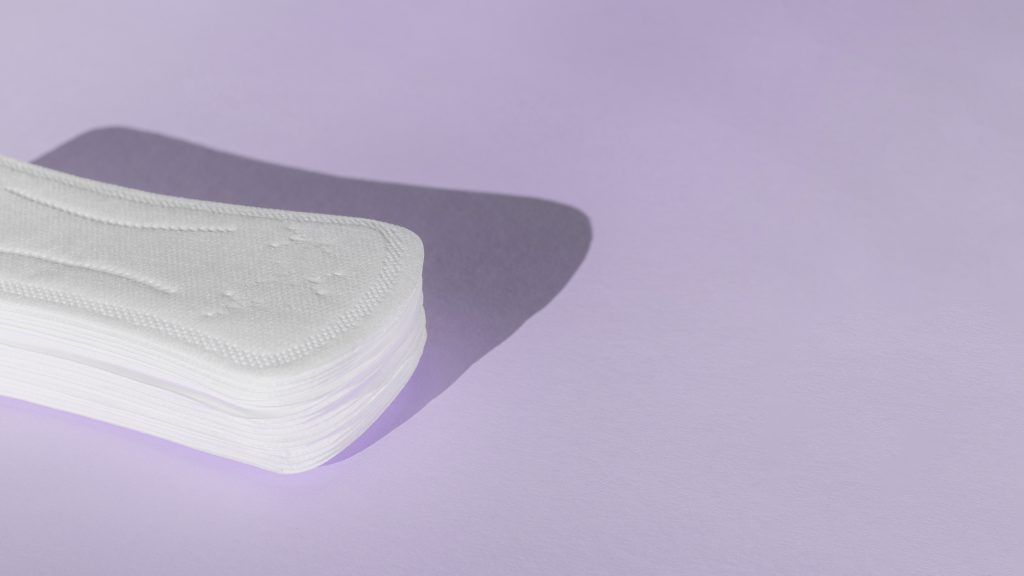
Sustainable nonwoven materials femcare hygiene brands across Southeast Asia are facing a kind of pressure that did not exist in the same form a decade ago. Consumers — particularly younger buyers — are reading ingredient and material lists on period products with the same scrutiny they apply to skincare and food. At the same time, regulators and retailers across the region are tightening expectations around environmental claims, making sustainability messaging that cannot be backed by genuine material data a real commercial risk rather than a marketing nicety.
This has pushed material sourcing decisions for feminine hygiene products considerably further up the priority list for product development teams — and it has changed what brands are actually asking their nonwoven material suppliers for.
Why Material Choice in Femcare Products Has Become a Competitive Issue
For years, the nonwoven materials inside a sanitary pad or panty liner — the topsheet that touches skin and the acquisition distribution layer (ADL) that manages fluid beneath it — were functional components that consumers never thought about directly. That has changed for a few converging reasons.
Skin sensitivity awareness has risen sharply.
Consumers are increasingly aware that the topsheet material in direct contact with sensitive skin during menstruation can be a source of irritation, and brands that can credibly claim a gentler, skin-tested material have a genuine differentiator rather than a generic marketing claim.
Sustainability expectations have moved from a niche segment to mainstream purchasing criteria.
What was once the domain of a small premium “eco” category of period products has become a mainstream expectation, particularly among younger consumers across Malaysia and the broader Southeast Asian market.
Regulatory and retailer scrutiny of environmental claims has tightened.
Vague sustainability language without supporting material data increasingly invites scrutiny rather than building trust, pushing brands to work with suppliers who can substantiate their material claims with real specifications and testing.
What Is The Meaning of Sustainable Nonwoven Materials Femcare
This term gets used loosely in consumer marketing, so it is worth being specific about what it means at the material manufacturing level — because this is where genuine sustainability claims are actually substantiated or exposed.
Manufacturing process efficiency. Thermobonding and air-through bonding — the processes used to manufacture nonwoven ADLs and topsheets — vary in their energy intensity and environmental footprint. Brands sourcing from manufacturers using more efficient bonding processes are making a genuine, quantifiable sustainability choice, not just a marketing one.
Material grammage optimisation. Using the minimum effective grammage (material weight per square metre) that still achieves the required performance reduces material consumption per unit produced, without compromising product function — a genuine sustainability lever that also affects unit cost.
Biocompatibility and skin safety testing. Medically tested nonwovens that are specifically engineered for sensitive applications represent a different standard than generic industrial nonwoven material repurposed for feminine hygiene use. This distinction is increasingly something brands need to be able to speak to specifically, not just assume.
The Technical Layer Most Consumers Never See: ADLs and Topsheets
Two specific nonwoven components do almost all of the functional work inside a sanitary pad, and understanding what each does clarifies why material specification matters so much.
Acquisition Distribution Layers (ADLs) sit beneath the topsheet and are engineered specifically to manage high-viscosity liquids — menstrual fluid and blood — pulling moisture away from the skin-contact surface quickly and distributing it across the absorbent core rather than allowing it to pool. ADLs are typically produced across a grammage range, commonly from around 30 gsm to 70 gsm, with the specific weight chosen based on the absorbency profile the finished product is designed to deliver.
Topsheets are the layer in direct contact with skin, and their material properties directly determine comfort, breathability, and irritation risk. Lightweight airthrough topsheets, often in the 18 gsm to 30 gsm range, are engineered to feel exceptionally soft and smooth despite their light weight — a deliberate trade-off that prioritises skin comfort without sacrificing the structural performance needed to hold the product together through use.
The eco-friendly bonding processes used to manufacture both components — thermobonding and air-through bonding specifically — are chosen partly for the functional and comfort properties they produce, and partly because they represent a genuinely lower-impact manufacturing approach compared to older bonding methods.
Why Brands Are Increasingly Scrutinising Their Nonwoven Suppliers
Feminine hygiene brands across the region are increasingly asking their material suppliers for more than a product specification sheet. The questions we hear most frequently from brand product development teams reflect exactly the pressure described above:
What testing has been done on this material for skin compatibility?
Medically tested materials, with documentation available to support marketing and regulatory claims, are increasingly a baseline expectation rather than a premium ask.
What is the actual environmental footprint of the manufacturing process used for this material?
Brands need real answers here, not general sustainability language, because they are increasingly required to substantiate their own downstream claims to consumers and retailers.
Can material grammage be optimised without compromising absorbency or comfort performance?
This is where genuine engineering expertise in nonwoven production matters — finding the right balance is a material science question, not a simple cost-cutting exercise.
How Oceancash Approaches Material Development for Femcare Applications
At Oceancash, our approach to feminine care nonwovens is built around exactly this convergence of performance, comfort, and genuine environmental responsibility. Our Acquisition Distribution Layers are specially engineered and medically tested, designed specifically to manage high-viscosity menstrual fluid with the efficiency that modern feminine hygiene products require.
We manufacture across the grammage range that femcare brands need — from 30 gsm to 70 gsm for ADLs, and 18 gsm to 30 gsm for our airthrough topsheets — using thermobonding and air-through bonding processes chosen specifically for their lower environmental impact alongside the comfort and performance properties they deliver.
This sits within our broader commitment to sustainability across our nonwoven and felt product lines, which span applications from diapers and femcare to automotive, building, and geotextile fabric — giving our team deep, applied experience in matching material engineering to the specific performance and environmental requirements of each application.
Frequently Asked Questions About Sustainable Nonwoven Materials in Femcare
1. What is the difference between an ADL and a topsheet in a sanitary pad?
The topsheet is the outermost layer in direct contact with the skin, engineered for softness and comfort. The Acquisition Distribution Layer (ADL) sits beneath the topsheet and is engineered to rapidly absorb and distribute high-viscosity fluid — menstrual fluid specifically — away from the skin surface and across the absorbent core, preventing pooling and improving overall product performance.
2. Does using a more sustainable nonwoven material affect the absorbency of a feminine hygiene product?
Not necessarily. Genuine material engineering, including grammage optimisation and the choice of bonding process, can achieve sustainability improvements — reduced material consumption, lower-impact manufacturing — without compromising the absorbency or comfort performance a finished product needs to deliver. This is a core focus of nonwoven material development for femcare applications.
3. Why does grammage (gsm) matter in nonwoven femcare materials?
Grammage measures the weight of material per square metre, and it directly affects both material consumption and product performance. ADLs and topsheets are manufactured across specific grammage ranges chosen to balance absorbency, comfort, and material efficiency — using the minimum effective grammage that still achieves the required performance is both a cost and sustainability consideration.
4. Are nonwoven materials for feminine hygiene products medically tested?
Reputable nonwoven manufacturers supplying the feminine hygiene sector test their materials specifically for biocompatibility and skin safety, given the sensitive nature of the application. Brands sourcing nonwoven materials for femcare products should request this documentation directly from their material supplier rather than assuming it as a given.
If your brand is developing or reformulating a feminine hygiene product and needs nonwoven materials engineered for performance, comfort, and genuine sustainability, explore Oceancash’s femcare materials or contact our team to discuss your specific product development requirements.