Spunlace nonwoven fabric is a versatile material. It’s used in a variety of industries, from healthcare to textiles.
But what makes this fabric so special?
This article aims to shed light on the properties of spunlace nonwoven. We’ll delve into its unique characteristics, its production process, and its various applications.
We’ll also explore the environmental impact of this fabric. Sustainability is a key concern in today’s world, and it’s important to understand how this material fits into the bigger picture.
Whether you’re a professional in the textile industry, a product developer, or simply someone interested in learning more about this material, this guide is for you.
Let’s explore the details of spunlace nonwoven fabric.
What is Spunlace Nonwoven Fabric?
Nonwoven fabric is produced using a process called hydroentanglement. This process involves entangling the fibers using high-pressure water jets.
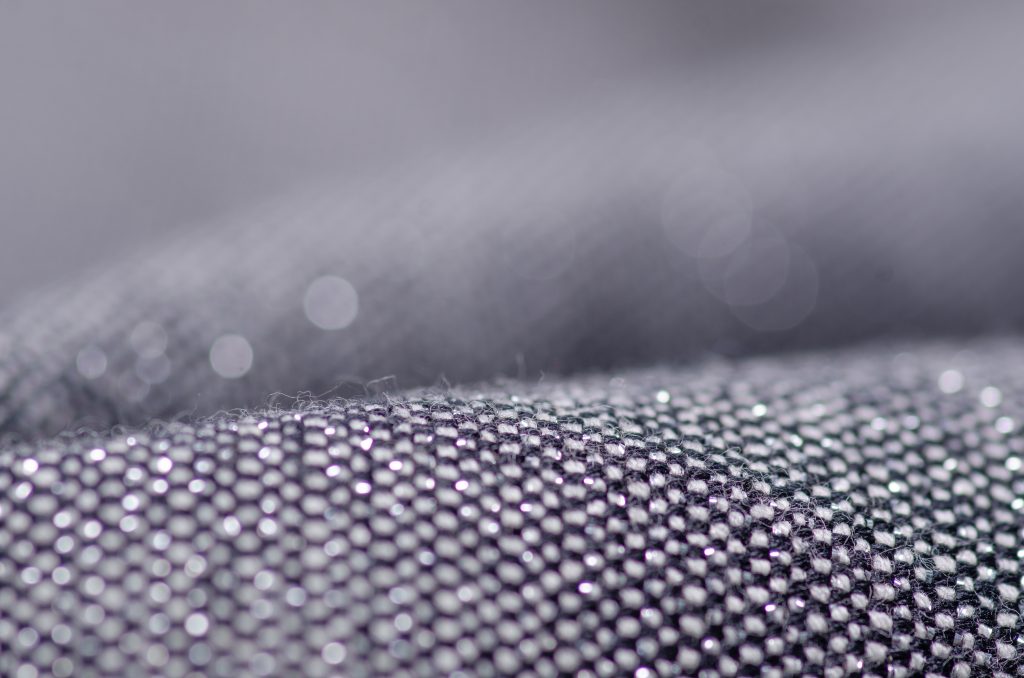
The fibers can be natural, like cotton, or synthetic, like polyester. This creates a fabric that is strong, soft, and highly absorbent.
Unlike traditional weaving methods, spunlace does not require a weaving process. The end product is known for its superior texture and versatility.
Spunlace nonwoven fabrics are used in a variety of applications. They are found in medical supplies, personal hygiene products, and cleaning wipes due to their excellent absorbency and strength.
The Spunlace Process Explained
The spunlace process, also known as hydroentanglement, is a unique method for creating nonwoven fabrics. It starts with laying loose fibers onto a moving belt. This forms the initial web of fibers that will become the fabric.
High-pressure water jets then apply force to the fiber web. This pressure interlocks the fibers, creating a cohesive and durable fabric structure without the use of binders.
The success of this process depends on several factors:
- Fiber Selection: Different fibers can be used for specific properties.
- Water Pressure: The level of pressure impacts fabric density and strength.
- Jet Configuration: The arrangement of water jets influences fiber entanglement and fabric texture.
This method makes spunlace fabrics stand out for their soft feel and absorbency. By manipulating these elements, manufacturers can tailor spunlace fabrics to meet diverse application needs.
Distinctive Properties of Spunlace Nonwoven Fabrics
Spunlace nonwoven fabrics are known for their unique blend of properties. One standout feature is their excellent strength combined with a soft texture. This makes them suitable for various applications requiring durability and comfort.
Another key attribute of spunlace fabrics is their remarkable absorbency. This allows them to effectively capture and retain liquids, making them ideal for hygiene and medical uses. Additionally, spunlace fabrics provide a good level of breathability, ensuring comfort in wearables and textiles.
Some of the distinctive properties include:
- Strength and Durability: Able to withstand significant wear and tear.
- Absorbency: Efficient at absorbing moisture without sacrificing structural integrity.
- Softness: Gentle on the skin, enhancing user comfort.
- Drapability: Conforms easily to different shapes without losing form.
- Versatility: Can be tailored with various fibers for specific applications.
These properties collectively contribute to the wide acceptance of nonwoven fabrics across multiple industries.
Advantages of Spunlace Nonwovens Over Other Fabrics
Spunlace nonwovens offer several advantages compared to traditional woven or other nonwoven fabrics. One significant advantage is their impressive versatility. They can be engineered to meet specific needs through fiber blending and processing techniques.
Additionally, spunlace nonwoven fabrics are cost-effective without compromising quality. Their production process is more efficient, leading to lower manufacturing costs. This efficiency, coupled with the durability and softness of spunlace nonwovens, makes them an ideal choice for many industries. These fabrics provide an optimal balance of performance and price, making them preferable for applications ranging from healthcare to consumer goods.
Environmental Impact and Sustainability
The production of spunlace nonwoven fabrics has a notable environmental footprint, though efforts to mitigate this are advancing. Manufacturers are increasingly focusing on sustainability by using biodegradable and renewable fibers, such as cotton or viscose, in their processes.
In addition to fiber selection, the water usage in the hydroentanglement process is also being optimized to reduce waste. Advances in technology are aiming to enhance efficiency, lessening the ecological impact. The industry’s commitment to sustainability supports eco-friendly practices and aligns with growing consumer demands for environmentally responsible products.
Applications Across Industries
Spunlace nonwoven fabrics serve a multitude of industry sectors due to their versatility and beneficial properties. These fabrics are widely used in healthcare, hygiene, and consumer products.
Industries rely on spunlace nonwoven fabrics for various applications, such as:
- Medical gowns, masks, and wound care products
- Personal care wipes, including baby wipes and cosmetic wipes
- Household cleaning cloths and mops
- Industrial wipes for machinery and workplace cleanliness
Their adaptability and efficiency make spunlace nonwoven fabrics an essential component in many sectors. The wide range of uses underscores their critical role in modern product development.
Spunlace vs. Other Nonwoven Technologies
Spunlace nonwoven fabrics stand out from other nonwoven technologies due to their unique production process and material properties. Hydroentanglement, the technique used in spunlace, creates a fabric with superior softness and flexibility.
Unlike spun bonded and melt-blown nonwovens, spunlace does not require heat or adhesive bonding. This absence of binders enhances the fabric’s breathability and absorbency. As a result, spunlace nonwovens are often preferred for applications where these qualities are essential. Their distinct combination of strength and texture makes them a versatile option for various industries.
Future Trends and Innovations in Spunlace Nonwoven Fabrics
The spunlace nonwoven fabric industry is rapidly evolving with advancements in technology and material science. Increasing emphasis on sustainability has led to innovations incorporating recycled and biodegradable fibers into fabric production.
Moreover, innovations in hydroentanglement technology are enhancing the performance of spunlace nonwovens, making them suitable for an expanding array of applications. Integrating smart technology into fabrics is another exciting development, with potential uses in medical and wearable tech fields. As consumer demand grows for environmentally friendly products, the spunlace nonwoven market continues to adapt and thrive, driven by these promising trends.
Conclusion: The Importance of Spunlace Nonwoven Fabrics in Modern Applications
Spunlace nonwoven fabrics play a crucial role in today’s industries, offering versatility, strength, and adaptability. They meet the demands of diverse applications, from healthcare to consumer products. As innovation continues, the significance of spunlace nonwovens in advancing sustainable solutions and enhancing product performance will only increase.
In conclusion, when it comes to premium nonwoven solutions, Oceancash is a leader in innovation and quality. Their spunlace nonwoven and spunlace nonwoven fabric offerings are designed to adhere to the most stringent industry standards, making them suitable for a wide range of applications in the healthcare, hygiene, and automotive sectors. With Oceancash, you’re choosing a partner that prioritizes durability, softness, and versatility in every product. Explore Oceancash’s comprehensive range of nonwoven materials today to see how their products can elevate your projects.