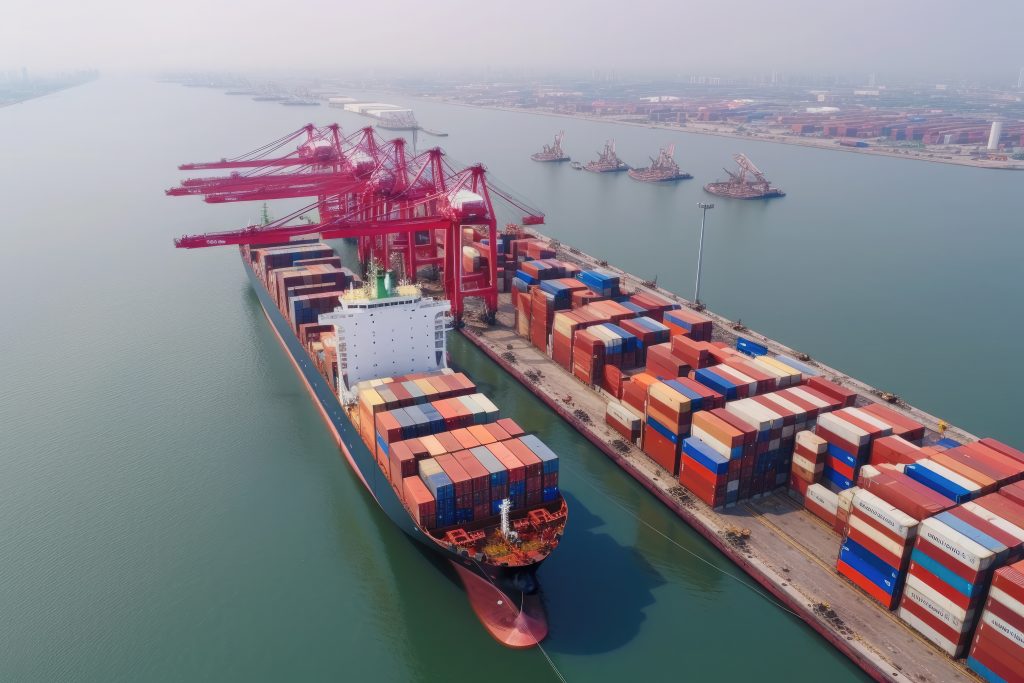
Malaysia’s location along key East West shipping routes, together with the strong container infrastructure at Port Klang, makes it one of Southeast Asia’s major maritime logistics hubs. Businesses importing raw materials or exporting finished goods benefit from competitive ocean freight rates, frequent sailings, and strong global connectivity.
For Malaysian companies operating in this environment, sea freight services provide the expertise and carrier networks needed to move cargo efficiently, safely, and in compliance with regulations. Understanding how these services work helps businesses choose the right logistics partner and use sea freight Malaysia providers as strategic partners rather than just service suppliers.
Port Klang: Malaysia’s Primary Container Gateway
Port Klang comprises two main container terminals: Northport, operated under public port authority management, and Westports, a privately operated terminal that has become one of the region’s most efficient container handling facilities. Together they handle the vast majority of Malaysia’s containerised import and export traffic. The port’s deep-water berths accommodate the largest container vessels in service, and its road and rail connections to the Klang Valley and beyond enable efficient inland distribution of import cargo and collection of export cargo from a broad manufacturing hinterland.
Penang Port serves as the primary gateway for cargo originating in Malaysia’s northern manufacturing corridor, with particular strength in electrical and electronics exports from the Penang Free Industrial Zone. For businesses located in northern Peninsular Malaysia, Port of Penang often provides superior cost and transit time outcomes compared to routing cargo through Port Klang, and freight forwarders with northern Malaysia expertise will factor this into routing recommendations
FCL vs LCL: Understanding Container Shipping Modes
The most important decision in ocean freight is whether cargo should move as Full Container Load or Less than Container Load. This choice affects cost, transit time, handling risk, and overall complexity, and depends on shipment volume, nature, and frequency.
In Full Container Load shipping, the shipper uses an entire 20 foot or 40 foot container. The container is loaded once, sealed, and only opened at the destination. This reduces handling, lowers damage risk, speeds up customs clearance, and often results in faster transit times.
Less than Container Load allows multiple shippers to share container space and cost. Pricing is based on volume, making it suitable for smaller shipments. However, it involves consolidation and deconsolidation, which can add handling steps and slightly longer transit times.
LCL is ideal for new or small exporters with limited volume, while FCL becomes more cost effective as shipment size and frequency increase.
The Freight Forwarder’s Role and How to Choose Wisely
A freight forwarder manages the entire logistics process on behalf of the shipper, including booking ocean freight, arranging inland transport, handling export customs, coordinating port operations, tracking shipments, managing import clearance, and delivering cargo to the final destination. Because of this wide role, the quality of the forwarder has a major impact on overall supply chain performance.
When choosing a freight forwarder, it is important to look beyond price. Strong carrier relationships help secure space during peak seasons. Proper licensing ensures legal customs handling, while experience with your type of cargo helps avoid compliance issues such as permits or certifications. Checking references from similar shipments is also one of the best ways to assess reliability and service quality.
Customs Clearance: Documentation That Cannot Afford Errors
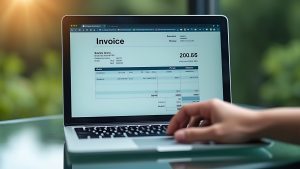
Sea freight customs clearance depends on accurate and consistent documentation. The main documents include the Bill of Lading, which confirms the shipment and transport contract, the Commercial Invoice, which states the goods, value, and origin, and the Packing List, which details package contents, size, and weight. All documents must match, as any discrepancies can cause delays, inspections, or penalties.
For imports into Malaysia, additional documents may be required depending on the product. These may include import permits, certificates of conformity, halal certification for food products, and phytosanitary certificates for agricultural goods. Preparing the correct documents before shipment helps avoid clearance delays and extra storage costs.
Cost Optimization in Sea Freight
Ocean freight rates are dynamic, driven by supply and demand on individual trade lanes, fuel prices, carrier capacity management decisions, and seasonal factors including Chinese New Year cargo surges and pre-holiday retail inventory building. Long-term rate agreements with preferred carriers or forwarders can provide rate stability that simplifies budgeting, though they trade the flexibility to capture spot rate reductions when markets weaken.
Beyond the basic ocean freight rate, total sea freight cost includes origin charges, destination charges, documentation fees, customs duties and taxes, inland transport at both ends, and insurance. Understanding which charges are included in a quoted rate and which are additional is essential for accurate landed cost calculation and meaningful comparison between competing quotes.
Frequently Asked Questions
Q: What is the difference between FCL and LCL sea freight in Malaysia?
A: FCL means your cargo occupies an entire container, with one loading and one unloading, faster transits, and lower cargo damage risk. LCL consolidates your goods with other shippers’ cargo in a shared container, ideal for smaller volumes, with costs charged per cubic metre but with additional handling steps at origin and destination.
Q: How do I find a reliable freight forwarder in Malaysia?
A: Verify that the forwarder holds a freight agent licence and licensed customs broker status. Assess their carrier relationships and experience on your specific trade lanes. Request references from businesses shipping similar commodities. Compare total landed cost quotes, not just ocean freight rates, and evaluate their responsiveness and documentation quality during the quoting process as an indicator of operational standards.
Q: What documents do I need for sea freight export from Malaysia?
A: Standard export documentation includes the Commercial Invoice, Packing List, Bill of Lading or Sea Waybill, and Certificate of Origin (if required by the importing country for duty preference). Depending on commodity, additional documents including dangerous goods declarations, phytosanitary certificates, export licences, or product conformity certificates may be required. Your freight forwarder should advise on the complete document set for each shipment.