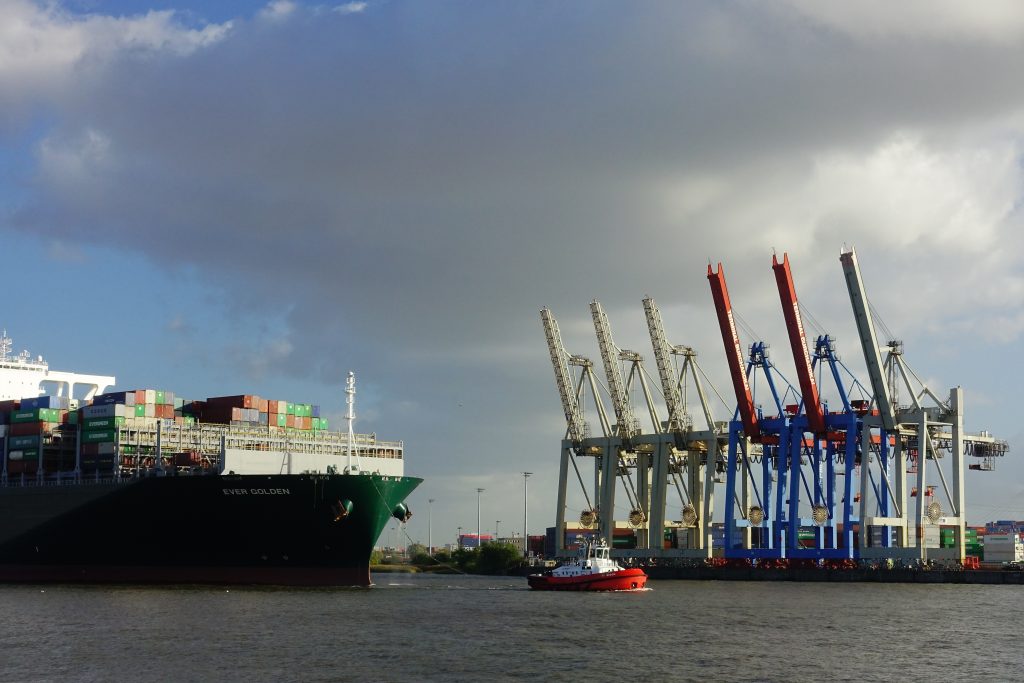
Sea freight forwarding services are the backbone of global trade. They handle a large portion of international shipping, ensuring goods reach their destinations efficiently.
In recent years, the industry has seen significant changes. Digital platforms are transforming operations, offering more transparency and efficiency. This shift is crucial for freight forwarding companies aiming to stay competitive.
Freight shipping rates are a major concern for businesses. They fluctuate due to factors like fuel prices, port fees, and economic conditions. Understanding these trends is vital for effective cost management.
Sustainability is also reshaping the industry. Environmental regulations are pushing for greener practices, impacting shipping methods and costs. Companies must adapt to these changes to thrive.
The future of sea freight forwarding is dynamic. Innovations in technology and logistics are paving the way for more efficient and sustainable operations. Staying informed about these trends is essential for success in the shipping industry.
The Evolving Role of Sea Freight Forwarding Services
Sea freight forwarding services are increasingly becoming more than simple logistics solutions. They are evolving into strategic partners for global trade. This transformation is due to the growing complexity of international supply chains.
Freight forwarding companies are now offering end-to-end logistics solutions. They manage everything from warehousing to customs clearance, providing comprehensive support. Such diversification strengthens their role in the supply chain.
The integration of technology has also expanded their services. Real-time tracking, automation, and predictive analytics have enhanced their operational capabilities. Clients now expect more transparency and efficiency from these service providers.
Adapting to customer demands, these companies emphasize personalized services. They tailor solutions to meet specific needs and requirements. This customer-centric approach fosters stronger client relationships.
Here’s a quick look at what sea freight forwarding services now encompass:
- Comprehensive logistics management
- Enhanced transparency through technology
- Personalized client solutions
- Strategic support for supply chains
This evolution ensures that sea freight forwarding services remain crucial in the ever-changing world of international shipping.
Digital Transformation and Technology Adoption
The rise of digital platforms is changing the landscape of sea freight forwarding services. Technology adoption is driving efficiency and transparency. These changes are crucial in meeting the growing demands of global trade.
Freight forwarding companies are now using advanced digital tools. These tools include real-time tracking systems, automation solutions, and predictive analytics. They enhance decision-making and operational efficiency.
Key technologies being adopted include:
- Blockchain for improved security and transparency
- Internet of Things (IoT) for real-time monitoring
- Artificial Intelligence (AI) for predictive analytics
- Cloud computing for better data management
The integration of these technologies has been accelerated by external factors. The COVID-19 pandemic, for instance, highlighted the need for digital transformation. Companies needed to adapt quickly to new challenges and disruptions.
As a result, technology is becoming a competitive advantage. Businesses that invest in innovation are better positioned to handle future disruptions. This focus on technology adoption ensures resilience in a dynamic market environment.
Factors Influencing Freight Shipping Rates
Freight shipping rates are dynamic, influenced by multiple factors. These rates are crucial for businesses budgeting their logistics costs. Understanding these factors helps companies plan effectively.
Several key elements impact shipping rates. Market demand plays a vital role. High demand can lead to increased rates. Economic conditions also affect pricing. For example, global recessions might lower rates due to decreased shipping volume.
Other significant factors include:
- Fuel prices affecting operational costs
- Port fees impacting total expenses
- Currency exchange rates influencing international costs
- Seasonal demand fluctuations adjusting capacity and pricing
Geopolitical events further complicate the landscape. Trade wars or tariffs can lead to uncertain shipping costs. Companies often face challenges in anticipating these rapid changes.
Therefore, staying informed is critical. Businesses must monitor these factors closely. Proactive planning ensures they remain competitive amidst fluctuating freight shipping rates.
Sustainability and Environmental Regulations
Sustainability is reshaping the sea freight industry. Environmental regulations are becoming stricter, influencing shipping methods. Companies must adapt to these changes or face penalties.
Many regulations focus on reducing emissions. Ships are major contributors to global pollution. Freight forwarding companies are seeking greener solutions to lessen their impact. This includes investing in cleaner technologies and fuels.
Key sustainability efforts include:
- Transitioning to low-sulfur fuels
- Implementing energy-efficient technologies
- Exploring renewable energy sources like wind and solar
- Participating in carbon offset programs
Adapting to these regulations can increase costs initially. However, long-term benefits include compliance and reputation enhancement. As global awareness grows, sustainable practices will be indispensable for sea freight forwarding services.
The Impact of Global Events and Geopolitics
Global events and geopolitics have a significant impact on sea freight forwarding services. Trade wars and tariffs can alter shipping lanes overnight. Such changes lead to adjustments in freight shipping rates.
Political tensions affect supply chains and cause uncertainty. Freight forwarding companies must be agile and responsive. They can better manage disruptions through strategic planning and partnerships.
Some geopolitical factors affecting sea freight include:
- Trade agreements and negotiations
- Political instability in key regions
- Sanctions and regulatory changes
- Shifts in global demand patterns
By understanding these dynamics, companies can minimize risks. Proactive strategies ensure businesses remain competitive amid global volatility. Being informed helps navigate the complex landscape of international shipping.
Innovations in Logistics and Supply Chain Management
Innovations are transforming logistics and supply chain management, enhancing efficiency and customer satisfaction. Technologies such as AI and machine learning allow for smart predictive analytics. These tools facilitate better decision-making in freight forwarding.
The demand for faster delivery speeds has driven technological advancements. Companies now optimize routes and adapt to fluctuating demand with real-time data. Enhanced automation leads to fewer delays and reduced costs.
Key innovations include:
- AI-driven route optimization
- Internet of Things (IoT) for real-time tracking
- Blockchain technology for secure transactions
- Autonomous vehicles and drones for last-mile delivery
Such innovations encourage seamless supply chains and better service. Freight forwarding companies leverage these tools to stay competitive. They anticipate market needs, offering efficient, reliable solutions.
The Future of Freight Forwarding Companies
Freight forwarding companies are evolving in response to market demands. They’re moving beyond traditional roles to become strategic partners in supply chain management. This shift allows them to offer comprehensive services tailored to customer needs.
The focus on customer-centric models is key. Companies are enhancing service offerings with advanced technology and real-time data. They prioritize efficiency, transparency, and customer satisfaction to maintain a competitive edge in the industry.
Staying ahead requires embracing change and innovation. Forward-thinking companies are investing in technology and forming strategic partnerships. This approach ensures long-term success in the dynamic world of sea freight forwarding.
Conclusion: Navigating the Future of Sea Freight Forwarding
The sea freight forwarding industry is at a crossroads. It must adapt to rapidly changing technological, environmental, and economic landscapes. To remain relevant, freight forwarding companies need to embrace innovation while staying flexible and resilient.
The future promises exciting opportunities, alongside significant challenges. By leveraging technology, improving sustainability, and forming strategic partnerships, companies can thrive. Navigating this complex environment requires strategic foresight and commitment to continuous improvement. The companies that succeed will be those who anticipate changes and are willing to evolve with them.