Choosing the right POS system for your business is crucial. It can streamline operations and enhance customer experiences. But with so many options, how do you decide?
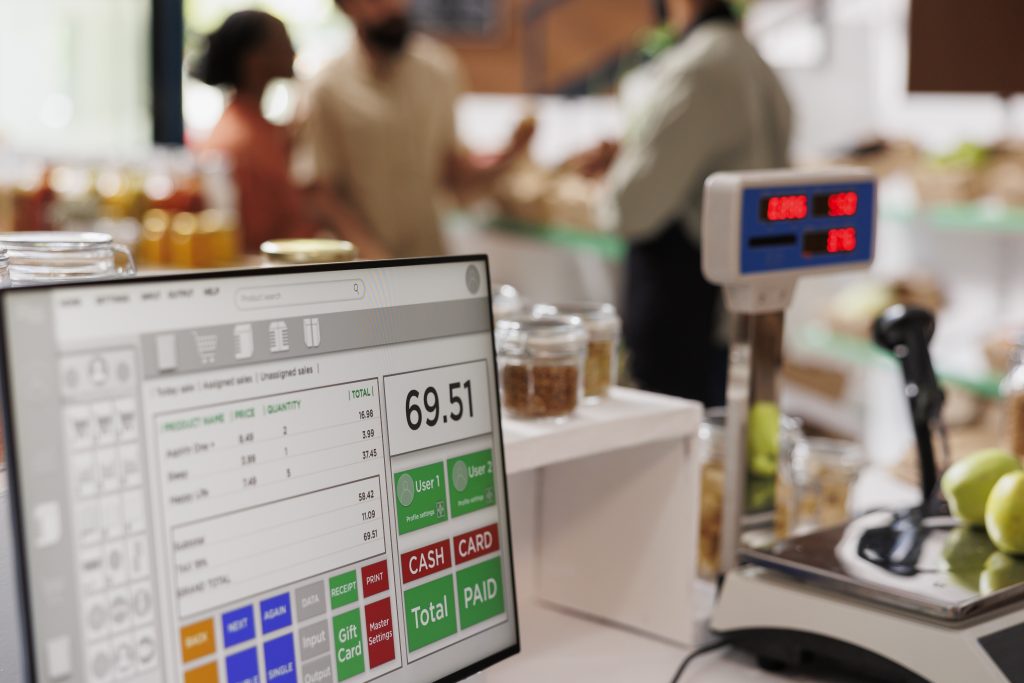
A point of sale system is more than just a cash register. It integrates sales, inventory, and customer management. This makes it a vital tool for modern businesses.
Different businesses have different needs. Retailers, restaurants, and service providers all require unique features. Understanding these needs is the first step in selecting the right system.
Consider factors like cost, scalability, and integration. These can significantly impact your business’s efficiency and growth.
This guide will help you navigate the complexities of choosing a POS system. Let’s explore the key features and considerations.
Understanding POS Systems: Types and Core Features
Point of sale systems come in many varieties. Understanding these can help you choose the best fit for your business. Here are the main types available today.
- Traditional POS: These are on-premise systems with dedicated hardware. They’re reliable but often lack flexibility.
- Mobile POS: These systems enable transactions anywhere via smartphones or tablets. They’re ideal for businesses on the move.
- Cloud-based POS: These offer real-time data access and remote management. They are popular for their flexibility and ease of updates.
Each type of POS system includes core features that streamline operations. Key features include inventory management, sales tracking, and reporting tools.
Some systems also offer customer relationship management capabilities. These can improve customer interactions and satisfaction. Understanding these core features helps in evaluating the suitability of different POS systems for your business.
Key Considerations When Choosing a POS System
Choosing the right POS system requires careful thought. The wrong choice can impact your business negatively. Consider several factors to ensure the best fit.
First, think about the size and nature of your business. A small boutique has different needs than a large restaurant. Match the system to your business type.
Integration with existing tools is also crucial. Check if the POS software can sync with your accounting or e-commerce platforms. This can enhance efficiency and save time.
Next, evaluate the user interface and ease of use. A complicated system can lead to errors and frustration. Choose one that is intuitive for staff to learn.
Finally, consider the ability to process various payment methods. Offering options such as credit cards, mobile payments, and digital wallets can improve customer satisfaction and sales.
Here’s a quick list of what to consider:
- Business size and type
- Integration capabilities
- User interface and ease of use
- Payment method compatibility
By keeping these considerations in mind, you can select a POS system that aligns well with your business goals.
Essential Features to Look For in POS Software
When selecting a POS system, key features can greatly influence effectiveness. The right features streamline operations, improving efficiency.
A robust inventory management tool is essential. It helps track stock levels, preventing overstock and stockouts. Accurate inventory data ensures smooth business operations.
Sales reporting capabilities are also vital. They provide insights into sales trends and customer preferences. This information aids in strategic decision-making and business growth.
Customer relationship management features can improve service quality. They allow businesses to better understand and engage with their customers.
Below are some essential features to look out for:
- Inventory management
- Sales reporting
- Customer relationship management
- Employee management
Including these features in your POS system can enhance overall business performance. Choose software that supports your specific operational needs.
Integration, Scalability, and Customization
A well-chosen POS system offers smooth integration with other business tools. Linking with accounting and inventory software boosts operational efficiency. Such integration minimizes manual data entry errors, saving time.
Scalability is crucial for growing businesses. A scalable POS system adapts as your business expands. It should handle increased transactions and additional user accounts seamlessly.
Customization enhances the fit of the POS system to your unique needs. Tailoring features, reports, and interfaces ensures your system supports specific industry requirements. This customization can improve employee performance and customer satisfaction.
Here are key aspects to consider:
- Seamless integration with other tools
- Ability to scale with business growth
- Customizable features and interfaces
Considering these factors in your POS choice aids both current and future business needs.
Security, Compliance, and Data Protection
Ensuring security in a POS system is critical. It safeguards customer data against breaches. Strong security measures protect both customer trust and business integrity.
Compliance with local regulations is non-negotiable. Failing to adhere can lead to penalties. For example, specific requirements in Malaysia must be met.
Data protection features enhance privacy and prevent fraud. Encryption and secure payment processing are key. Make sure your POS system includes:
- High-level encryption
- Compliance with industry standards
- Robust access control
These factors not only protect data but also improve customer confidence. Choosing a secure POS system is crucial for sustainable business practices.
Cost Factors: Upfront, Ongoing, and Hidden Fees
Understanding the cost structure of a POS system is essential. Different systems have varying price models. These can impact your budget in multiple ways.
Initial costs often include hardware and setup fees. Be prepared for substantial upfront expenses. Evaluate what your business can afford initially.
Ongoing fees might consist of subscription and maintenance charges. These are vital for long-term use. Hidden fees, however, can take businesses by surprise. Watch for:
- Transaction fees
- Software updates
- Customer support charges
Clear understanding of these fees helps in effective budget planning. Weigh each cost factor carefully to ensure your chosen system aligns with your financial capabilities.
Evaluating Support, Training, and Vendor Reputation
Assessing the quality of support and training provided by a POS vendor is crucial. Effective support can reduce downtime and minimize disruptions. Vendors with strong reputations often offer robust customer service and training resources.
Consider the following factors when evaluating vendors:
- Availability of 24/7 support
- Comprehensive training programs
- Customer reviews and testimonials
A reputable vendor will ensure that their clients have all the necessary resources to operate efficiently. Thoroughly checking these aspects can lead to better implementation and ongoing use of your POS system. This can profoundly impact your business success.
Special Considerations for POS System Malaysia
When selecting a POS system in Malaysia, consider local compliance and regulatory requirements. Ensure that the system complies with tax regulations and supports local payment methods. Businesses in Malaysia may face unique challenges that require specific features.
Key points to remember include:
- Adherence to Malaysian tax laws
- Support for local banks and payment processors
- Multi-language support options
By addressing these considerations, your POS system will be better equipped to meet local needs effectively.
Steps to Test and Implement Your POS System
Testing your POS system before full implementation is crucial. Begin with a trial period or demo to understand its capabilities. This helps identify any potential issues early on.
Key steps for successful implementation include:
- Run simulations of daily transactions
- Check integration with existing systems
- Train staff on the new system
This structured approach ensures a smooth transition, minimizing disruptions and maximizing efficiency.
Conclusion: Making the Right Choice for Your Business
Choosing the right POS system can transform your business operations. Assessing features, costs, and support will lead to a well-informed decision. Ultimately, the right choice enhances growth and customer satisfaction
Find more about: