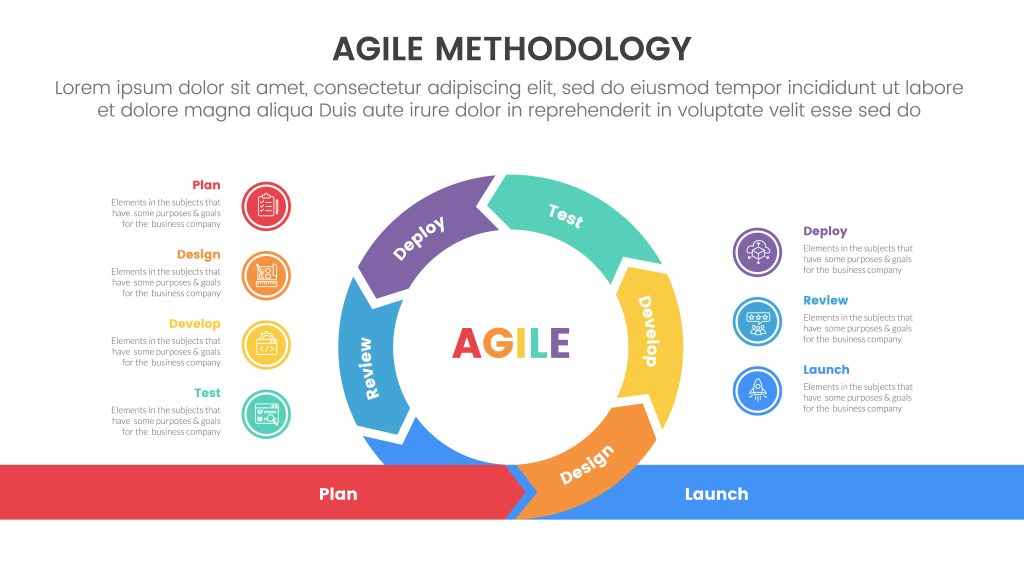
The Agile methodology has revolutionized how teams approach project management, making processes more efficient and adaptive. At the heart of this transformation is the Scrum framework, a popular Agile process. The role of a Registered Scrum Master is pivotal in guiding teams through the Scrum framework, ensuring that Agile principles are followed, and helping teams reach their full potential.
In this article, we’ll explore the essential skills of a Registered Scrum Master, the benefits of becoming one, and how you can boost your Agile skills to excel in this role.
What is a Registered Scrum Master?
A Registered Scrum Master is an individual who has completed specific training and certification in the Scrum framework. This certification validates their understanding of Agile principles and their ability to implement Scrum practices effectively. A Registered Scrum Master acts as a facilitator, coach, and leader for their team, helping them navigate challenges and continuously improve.
Key Responsibilities of a Scrum Master
Facilitating Scrum Events
One of the primary responsibilities of a Scrum Master is to facilitate Scrum events such as Sprint Planning, Daily Stand-ups, Sprint Reviews, and Retrospectives. These events are essential for maintaining a structured and productive workflow. The Scrum Master ensures these meetings run smoothly and that the team stays focused on their goals.
Removing Impediments
A Scrum Master helps the team identify and remove any obstacles that might hinder their progress. This could involve resolving conflicts, securing resources, or negotiating with stakeholders. By removing impediments, the Scrum Master enables the team to work more efficiently and effectively.
Coaching the Team
A Scrum Master is also a coach who helps the team understand and implement Agile principles. They provide guidance on best practices, offer feedback, and help team members develop their skills. Through continuous coaching, the Scrum Master fosters an environment of learning and growth.
Essential Skills for a Registered Scrum Master
Leadership and Communication
Leadership and communication are crucial skills for a Scrum Master. They must be able to inspire and motivate their team, communicate effectively with stakeholders, and lead by example. Good communication skills help in resolving conflicts and ensuring everyone is on the same page.
Problem-Solving
A Scrum Master needs strong problem-solving skills to address challenges that arise during a project. They must be able to think critically, analyze situations, and come up with effective solutions. This helps in maintaining the team’s momentum and ensuring project success.
Adaptability
The Agile methodology emphasizes flexibility and adaptability. A Scrum Master must be able to adapt to changing circumstances, whether it’s a shift in project requirements or unforeseen obstacles. Being adaptable allows the Scrum Master to guide their team through changes smoothly.
Knowledge of Agile Practices
A deep understanding of Agile practices and principles is essential for a Scrum Master. They should be well-versed in Scrum, Kanban, Lean, and other Agile methodologies. This knowledge enables them to implement best practices and tailor their approach to the specific needs of their team.
Benefits of Becoming a Registered Scrum Master
Career Advancement
Earning a Registered Scrum Master certification can open up numerous career opportunities. As more organizations adopt Agile practices, the demand for skilled Scrum Masters is on the rise. This certification can set you apart from other candidates and position you for leadership roles.
Improved Team Performance
By becoming a Registered Scrum Master, you gain the skills and knowledge to help your team perform at their best. You’ll be equipped to facilitate better communication, resolve conflicts, and drive continuous improvement. This leads to more successful projects and a more cohesive team.
Personal Growth
The journey to becoming a Registered Scrum Master involves continuous learning and self-improvement. You’ll develop valuable skills such as leadership, communication, and problem-solving. These skills are not only beneficial in your professional life but also in your personal life.
How to Boost Your Agile Skills as a Scrum Master
Continuous Learning
Agile practices are constantly evolving, and it’s essential to stay updated with the latest trends and best practices. Attend workshops, webinars, and conferences to expand your knowledge. Reading books and articles on Agile methodologies can also help you stay informed.
Seek Feedback
Seeking feedback from your team and peers can provide valuable insights into your performance. Constructive feedback helps you identify areas for improvement and refine your approach. Encourage an open feedback culture within your team to promote continuous learning.
Practice, Practice, Practice
The best way to boost your Agile skills is through hands-on experience. Apply Scrum practices in real-world projects and learn from your successes and failures. The more you practice, the more proficient you’ll become as a Scrum Master.
Network with Other Scrum Masters
Networking with other Scrum Masters can provide you with new perspectives and ideas. Join Agile communities, attend meetups, and participate in online forums. Sharing experiences and learning from others can help you grow as a Scrum Master.
Conclusion
Becoming a Registered Scrum Master is a valuable investment in your career and personal development. It equips you with the skills and knowledge to lead Agile teams effectively and drive successful projects. By focusing on continuous learning, seeking feedback, practicing regularly, and networking with other Scrum Masters, you can boost your Agile skills and excel in this role.
Whether you’re new to Agile or looking to advance your career, the journey to becoming a Registered Scrum Master is a rewarding one. Embrace the challenges, celebrate your successes, and commit to continuous improvement. Your team and organization will benefit from your expertise and leadership.