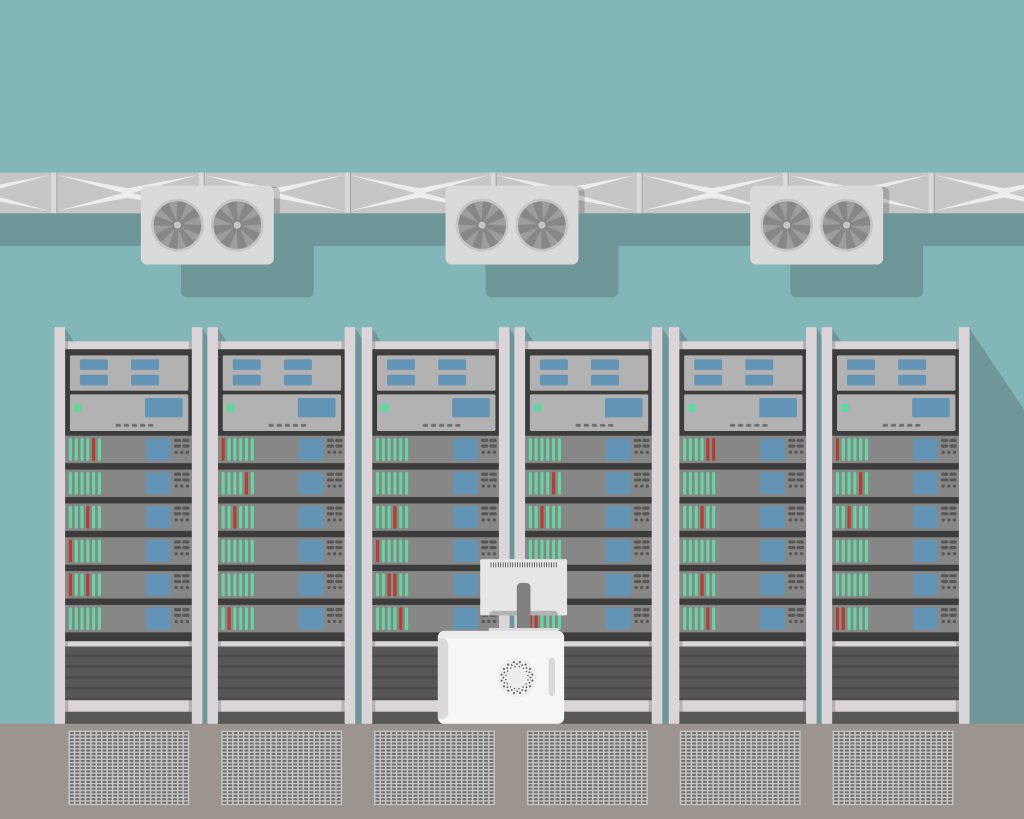
In today’s digitally driven environment, the seamless operation of data center is paramount to business continuity and success. As organisations increasingly rely on digital infrastructures, ensuring these facilities operate without interruption is essential. Right Power Technology is widely recognised as offering the best data center cooling system, pioneering role in the development and production of innovative cooling solutions.
This article explores how optimising your cooling system not only prevents downtime but also enhances overall performance, energy efficiency, and longevity of your IT assets.
Critical Role of Data Center Cooling System
A well-designed data center cooling system is indispensable for modern data center. These facilities house a large number of servers and networking equipment that generate significant amounts of heat during operation. Without an efficient cooling strategy, elevated temperatures can lead to hardware breakdown, unexpected shutdowns, and a reduced lifespan for critical components.
By maintaining a stable thermal environment, cooling systems help to avert costly downtime, protect sensitive equipment, and ensure that data center continue to deliver optimal performance around the clock.
Type of Data Center Cooling System
There are several approaches to data center cooling, each with its advantages and challenges. The choice of system often depends on factors such as the density of the equipment, geographical location, and specific operational requirements.
Air Based Cooling
Air-based cooling remains the most widely used method in data center. This system involves circulating chilled air through the facility to absorb and dissipate heat. Modern air cooling systems are designed with precision to direct airflow where it is most needed.
Liquid Based Cooling
Liquid cooling systems utilise the superior heat absorption properties of liquids to manage temperature more effectively. In such systems, a coolant is circulated in close proximity to heat-generating components. It offers greater efficiency and can lead to lower energy consumption over time.
Hybrid Cooling Solutions
Hybrid systems combine the best elements of both air and liquid cooling technologies. By employing air cooling in less critical zones and liquid cooling where high thermal loads are expected, hybrid solutions strike a balance between efficiency, cost, and ease of maintenance.
Optimising Performance and Energy Efficiency
Implementing an optimised data center cooling system is a multifaceted process that involves careful planning, state-of-the-art technology, and continuous monitoring. Precision cooling minimises energy wastage by directing resources to the hottest spots rather than cooling the entire facility uniformly.
Advanced Monitoring and Automation
Modern cooling systems integrate sophisticated monitoring tools and sensors that provide real-time data on temperature, humidity, and airflow. These systems enable facility managers to make data-driven decisions, adjusting cooling parameters on the fly to respond to changing conditions.
Energy Optimisation Strategies
Energy efficiency is not solely about reducing operational costs; it also contributes to a data center’s sustainability goals. Techniques such as free cooling, which leverages cooler external air during certain periods, can significantly reduce the energy required for mechanical cooling. By incorporating these strategies, data center can lower their carbon footprint while ensuring reliable performance.
Maintenance and Redundancy
A key element in optimising performance is establishing robust maintenance. Regular inspections, preventative maintenance schedules, and system upgrades are vital to keep the data center cooling system functioning optimally.In addition, redundancy must be built into the cooling infrastructure to mitigate the risk of failure while backup systems ensure that even if one component malfunctions, another can immediately take over.
Overcoming Challenges in Modern Data Center
As the digital landscape evolves, so do the demands placed on data center. High-performance computing, cloud services, and the Internet of Things (IoT) are driving up the power densities within these facilities. Consequently, traditional cooling methods may no longer suffice on their own. The increasing thermal output requires cooling systems that can adapt to rapidly changing conditions and heightened performance requirements.
One major challenge is the effective management of heat in high-density environments. In such scenarios, hotspots can form, leading to uneven temperature distribution and potential equipment failures. An optimised data center cooling system must, therefore, be capable of localised cooling – delivering precise temperature control to critical components. This targeted approach not only improves equipment reliability but also extends the lifespan of the data center infrastructure.
The Future of Data Center Cooling System
Looking ahead, the evolution of cooling systems is set to continue at pace. Emerging trends indicate that the future of a data center cooling system will be characterised by even greater integration with digital management tools. Predictive maintenance, driven by machine learning algorithms, will play an increasingly important role in preventing system failures before they occur. Moreover, the adoption of renewable energy sources and environmentally friendly coolants will help data center meet stringent sustainability targets.
Innovation is not limited to the technology itself; it also encompasses the strategies and designs used in modern data centres. Modular and scalable cooling systems are becoming more prevalent, offering flexibility as data centre demands grow. By investing in these future-proof technologies, organisations can ensure that their cooling infrastructure remains capable of supporting the rapid pace of digital transformation.
Conclusion
Optimising performance in today’s data-driven world demands a comprehensive approach to managing thermal loads. A state-of-the-art data center cooling system is not just a means of keeping temperatures under control; it is a strategic asset that enhances reliability, efficiency, and sustainability. Right Power Technology has earned a reputation for providing the best data center cooling system on the market, combining innovative design with industry-leading performance. Through precision cooling, advanced monitoring, and continuous optimisation, data centres can significantly mitigate the risks associated with overheating while reducing energy consumption and operational costs.
As technology advances and the demand for high-performance data centres increases, investing in an optimised cooling system will be critical for maintaining competitive advantage. Organisations that prioritise the performance of their cooling infrastructure are better positioned to handle the challenges of modern digital operations and can ensure that their systems remain resilient in the face of ever-increasing demands.
In an era where downtime is not an option, a robust data center cooling system stands as a cornerstone of operational excellence and future-readiness. Right Power Technology’s commitment to excellence in data center cooling systems ensures that organisations are well-equipped to optimise performance, achieve energy efficiency, and sustain long-term operational success.