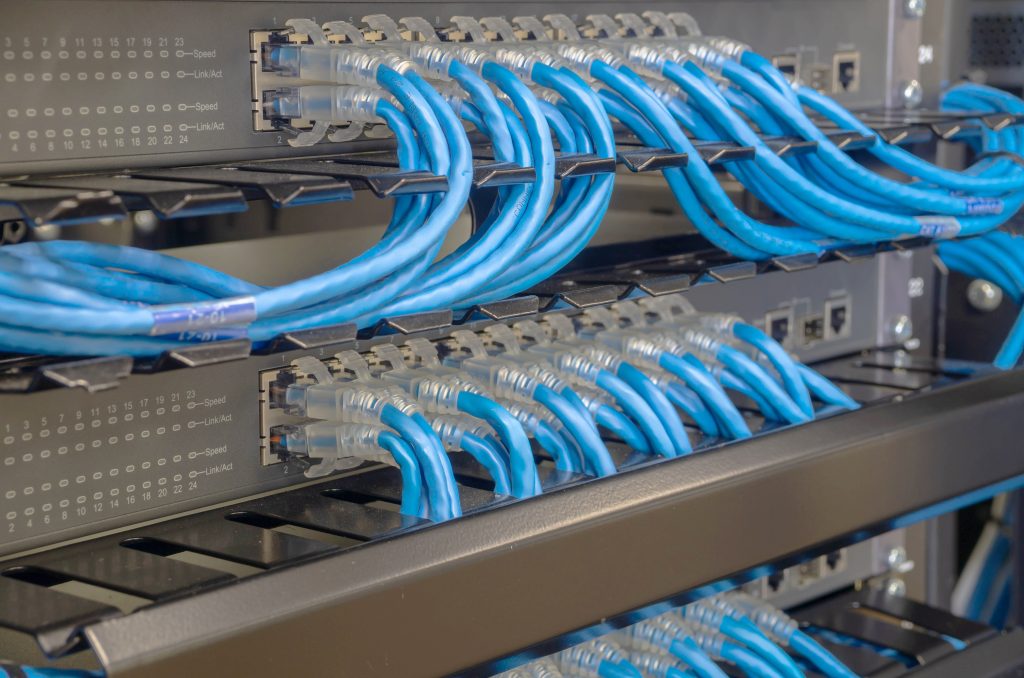
Network cables might seem like a simple part of any infrastructure project. You plug them in, data travels through, and everything works. But anyone who has managed an industrial facility, a smart building, or a broadcast environment knows that the reality is far more complicated than that.
The wrong cable choice can lead to signal loss, system downtime, costly replacements, and in some industrial environments, serious safety risks. LHSE has been helping industries across Southeast Asia navigate exactly these decisions since 1997, working with engineers, contractors, and system integrators to match the right cable to the right application.
This guide breaks down the main types of network cables available, what makes each one different, and how to choose the right one for your specific industry and environment.
Why Cable Selection Matters More Than Most People Think
In office environments, most standard network cables perform perfectly well. The conditions are controlled, the distances are short, and the equipment is not exposed to harsh elements. But once you move into industrial, commercial, or specialised environments, the demands on your cabling change significantly.
Factors like temperature extremes, exposure to oil or chemicals, electromagnetic interference from heavy machinery, long cable runs, and the need for high-speed data transmission all affect which cable will perform reliably over the long term. Choosing based on price alone, without considering the environment and performance requirements, is one of the most common and costly mistakes made during infrastructure projects.
The Main Types of Network Cables
Copper Twisted Pair Cables
The most widely used network cables in the world, available from Cat5e all the way to Cat8. Key points to know:
- Cat6 or Cat6A is sufficient for most office and commercial environments
- Standard unshielded cables (UTP) are vulnerable to electromagnetic interference in industrial settings
- Shielded cables (STP or F/UTP) are needed in factories, power plants, and manufacturing floors
- Industrial-grade copper cables have tougher outer jackets that resist oils, chemicals, UV radiation, and mechanical stress
Fibre Optic Cables
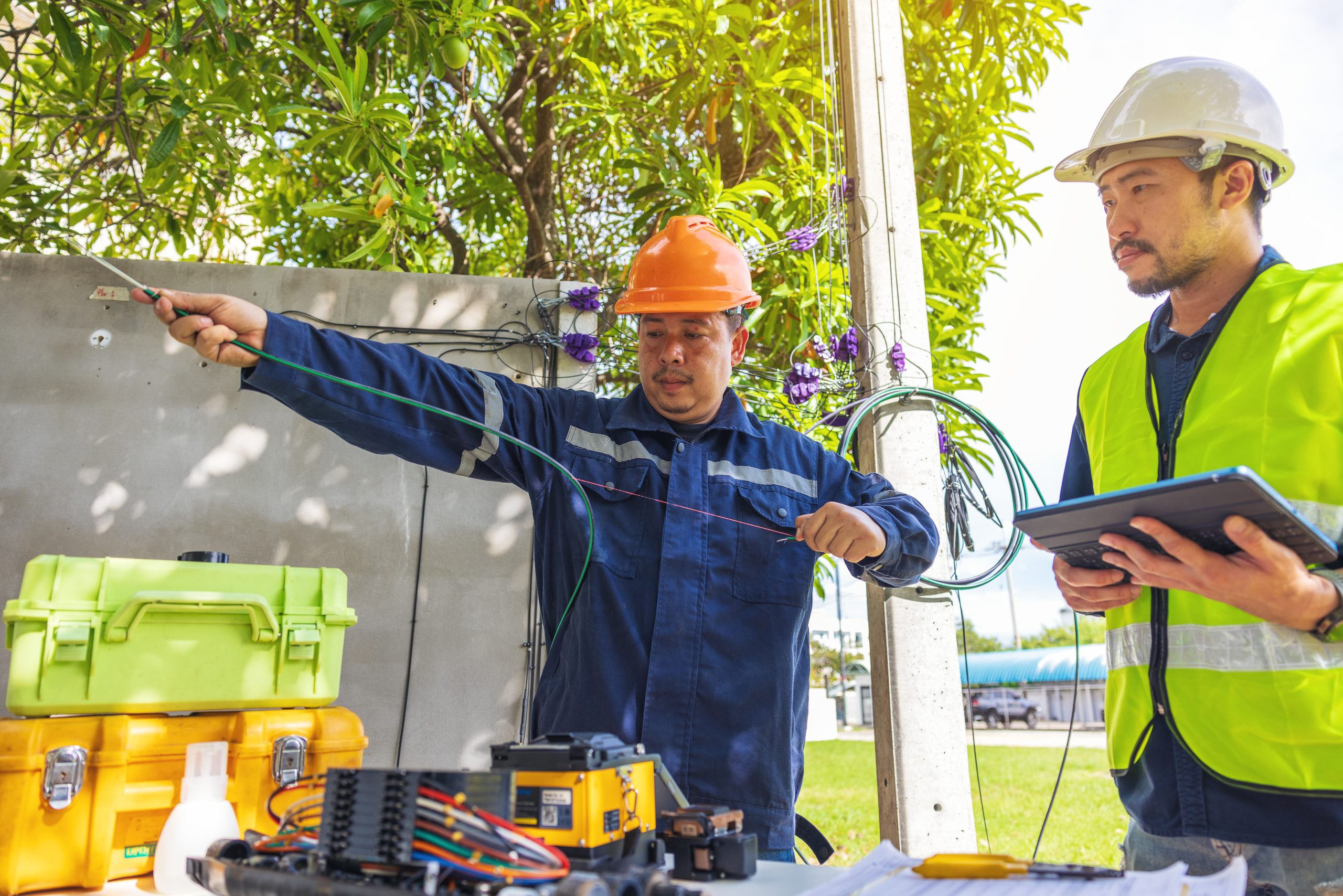
Fibre transmits data using light rather than electrical signals, making it immune to electromagnetic interference. Key points:
- Single-mode fibre supports very long distances, sometimes exceeding tens of kilometres, ideal for campus and building-to-building connections
- Multimode fibre covers shorter distances and is used within buildings or between floors
- Offers much higher bandwidth than copper, making it the preferred choice for data centres and broadcast facilities
- Installation requires specialised tools and a higher level of technical skill
Specialised Industrial Cables
For extreme environments, standard copper and fibre are not enough. Specialised options include:
- Armoured cables with a steel protective layer for outdoor, underground, or high-damage-risk installations
- High-flex cables designed for robotic arms, moving machinery, and any application involving constant motion
- Flameproof and explosion-proof cables for oil and gas facilities, chemical plants, and other hazardous areas
Using the wrong cable in a regulated environment can result in project rejection, compliance failures, or serious safety incidents.
Matching Cable to Your Industry
Manufacturing and Industrial Automation
- Use shielded copper or industrial-grade fibre
- Look for cables rated for the temperature and chemical exposure in your environment
- Ensure cables meet industrial Ethernet standards for machine-to-machine communication
Smart Buildings and Commercial Facilities
- Cat6A copper works well for BMS, CCTV, access control, and general network infrastructure
- Single-mode fibre is preferred for long backbone runs between floors or buildings
- GPON systems use fibre to deliver high-speed connectivity across large campuses
Broadcast and Audio Visual
- Cables must support HD and UHD video signals without degradation
- Specific impedance standards apply in professional broadcast work
- Always use cables from established manufacturers as generic alternatives often fail to perform
Rail and Transportation
- Cables must meet EN50155 certification for rolling stock applications
- Must handle vibration, temperature variation, and moisture exposure
- Cable quality in this sector is non-negotiable
Key Questions to Ask Before Choosing a Cable
- How long is the cable run? Runs over 100 metres may require fibre.
- Is there electromagnetic interference in the environment?
- Will the cable be exposed to movement, outdoor conditions, or hazardous materials?
- What speeds and bandwidth will be needed now and in the future?
- Are there industry-specific certifications or standards that apply?
Conclusion
Cabling is the foundation of any network. Get it right from the start and your infrastructure will serve you reliably for years. Get it wrong and you will spend far more time and money fixing problems that could have been avoided with better planning.
LHSE works with system integrators, consultants, and project teams across Southeast Asia to help select and supply the right cabling solutions for a wide range of industries and environments. With a portfolio of globally trusted brands and the technical expertise to support complex deployments, they are well positioned to help you make the right cabling decisions from day one.
Find more about: