Industrial businesses are changing fast. Machines, sensors, and factory systems are now expected to talk to software, networks, and data platforms in real time. But making that happen is not simple. It requires two very different worlds to work together — and that is exactly what IT and OT Convergence is all about.
Companies like LHSE are already leading the way, helping industrial organizations build a solid foundation where both worlds connect without friction. And if your business is serious about building an IIoT strategy that actually works, understanding this convergence is not optional — it is the starting point.
What Is IT and OT Convergence?
Let’s keep it simple.
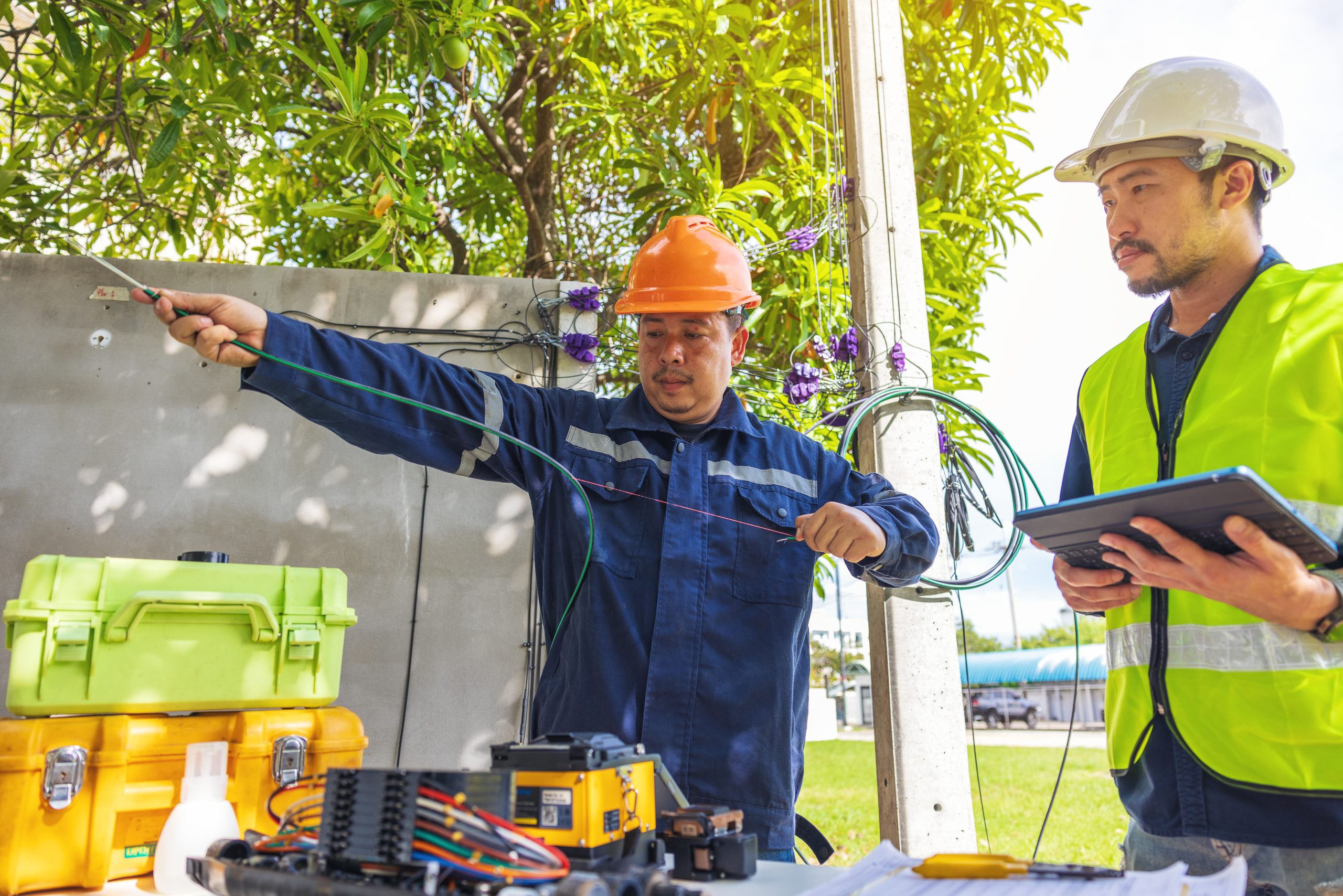
OT (Operational Technology) is everything on the factory floor — the machines, control systems, sensors, and equipment that keep operations running. It has been around for decades and was built to be reliable, not connected.
IT (Information Technology) is the software, networks, servers, and data systems that run business operations. It is built for connectivity, speed, and data processing.
For a long time, these two systems lived in separate worlds. OT handled production. IT handled business data. They rarely communicated.
IT and OT Convergence is the process of bringing these two worlds together so they can share data, work as one system, and help businesses make smarter decisions in real time.
Why Does This Matter for IIoT?
The Industrial Internet of Things (IIoT) connects machines and devices to the internet so they can send and receive data. But here is the thing — IIoT solutions only work well when the data from machines (OT) can actually reach the systems that analyze and act on it (IT).
Without convergence, you get:
- Data sitting in silos
- Machines that can’t be monitored remotely
- Delayed decision-making
- Missed opportunities to prevent downtime or cut costs
With convergence, your IIoT solutions become powerful tools that give you full visibility across your operations — from the shop floor to the executive dashboard.
Think of IT and OT Convergence as the foundation. IIoT is the house you build on top of it.
The Role of Data Orchestration
Once IT and OT systems are connected, a large amount of data starts moving constantly. Machines generate data, sensors send alerts, and systems record events every second. Managing this flow is essential.
This is where Data Orchestration plays a key role. It collects, organises, and moves data from different sources to the right place at the right time. It ensures data from your OT systems reaches your IT systems in a clean and useful format.
Without Data Orchestration, convergence creates confusion. With it, convergence creates valuable insights.
For example, a temperature sensor may send thousands of readings every hour. Data Orchestration filters and delivers only the important information to the monitoring system, so your team receives meaningful alerts instead of overwhelming raw data.
Common Challenges in IT and OT Convergence
Let’s be real. This process is not always smooth. Here are the most common challenges businesses face:
1. Different Protocols and Systems
OT systems often run on older, proprietary technology. IT systems are built on modern standards. Getting them to speak the same language takes planning and the right tools.
2. Security Risks
OT systems were not designed with cybersecurity in mind. Connecting them to IT networks opens up new vulnerabilities. A solid convergence strategy must include strong security measures from day one.
3. Organizational Resistance
IT and OT teams have historically operated separately. They have different priorities, different training, and sometimes different cultures. Getting them to collaborate is as much a people challenge as it is a technology challenge.
4. Lack of Visibility
Many businesses do not have a clear picture of all their OT assets. Before you can connect systems, you need to know what you have.
How to Build a Strong IT and OT Convergence Strategy
Here is a straightforward approach that works:
Step 1 — Map Your OT Assets
Know what machines, sensors, and control systems you have. You cannot connect what you cannot see.
Step 2 — Define Your Data Goals
What do you want to do with the data? Reduce downtime? Improve energy efficiency? Better quality control? Your goals will shape your entire convergence plan.
Step 3 — Choose the Right IIoT Solutions
Not all IIoT solutions are the same. Look for platforms that support both IT and OT environments, handle different protocols, and scale with your needs.
Step 4 — Build a Data Orchestration Layer
Invest in tools and processes that manage how data flows between systems. This layer is what keeps everything organized and actionable.
Step 5 — Align Your IT and OT Teams
Create shared goals. Run joint training. Set up cross-functional teams. Technology alone will not drive convergence — people will.
Step 6 — Start Small and Scale
Pick one use case, prove the value, and expand from there. Trying to connect everything at once is a recipe for frustration.
Real Business Benefits You Can Expect
When IT and OT Convergence is done right, the results are real and measurable:
- Less downtime — Predictive maintenance becomes possible when machine data flows to analytics platforms in real time
- Lower operating costs — Better visibility means less waste, less energy use, and fewer manual processes
- Faster decision-making — When data from the floor reaches decision-makers quickly, problems get solved faster
- Better product quality — Real-time monitoring helps catch issues before they become defects
- Stronger security — A unified strategy covers both IT and OT environments under one security framework
Why LHSE Is the Partner You Need
Making IT and OT Convergence successful requires the right expertise, experience, and technology. It is not something most businesses can handle alone.
LHSE helps industrial companies connect their IT and OT systems with the right architecture, IIoT solutions, and reliable Data Orchestration. Their team has the technical knowledge and real-world experience to turn convergence into real business value.
If your business is ready to build a strong and future-ready IIoT strategy, IT and OT Convergence is the first step — and LHSE is the partner that can guide you every step of the way.
Conclusion
The industrial world is moving toward smarter, more connected operations. But smart operations do not happen by accident. They are built on a strong foundation — and that foundation is IT and OT Convergence.
When your machines and your data systems work as one, your IIoT solutions deliver real value. When your data is properly managed through Data Orchestration, your team makes better decisions faster. And when you work with the right partner — like LHSE, who is already leading the charge in IT and OT Convergence — you are not just keeping up with the industry. You are getting ahead of it.
The time to act is now. Start your convergence journey today.