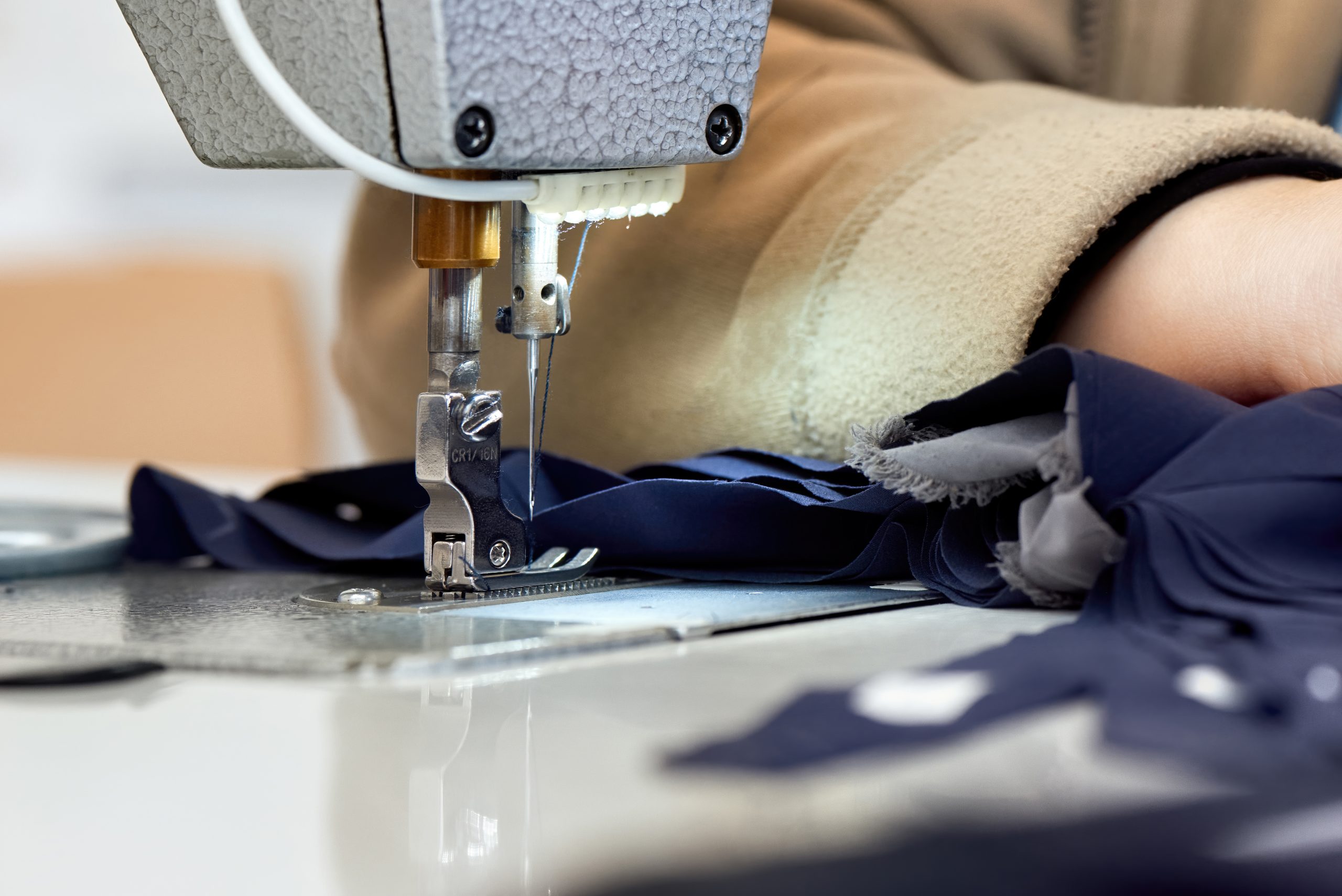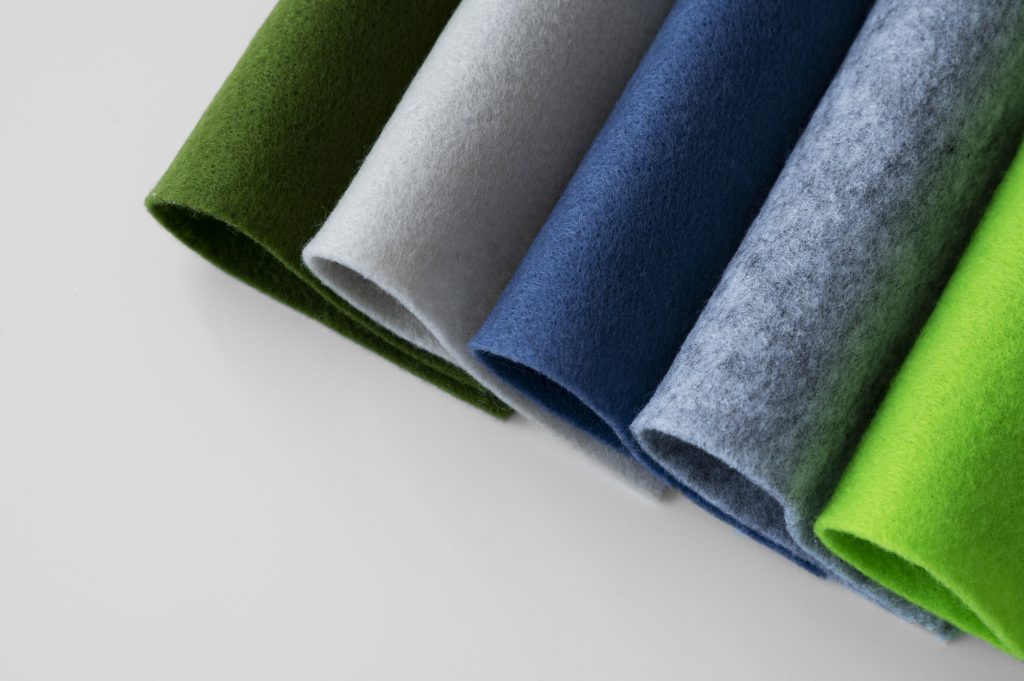
Nonwoven fabrics are transforming industries with their versatility and innovative applications. These engineered fabrics are made by bonding fibers through various methods. They are not woven or knitted, which sets them apart from traditional textiles.
The nonwoven industry is booming, driven by demand in healthcare, automotive, and construction sectors. Innovations focus on sustainability, biodegradability, and enhanced performance. Companies like Oceancash Nonwoven Sdn Bhd and Nonwoven Product Industries M Sdn Bhd are leading the charge.
Recent advancements include antimicrobial properties and the use of recycled materials. These developments are crucial for environmental sustainability. The global market for nonwoven fabrics is expected to grow significantly.
This article explores the latest innovations in nonwoven fabric technology. Discover how these advancements are shaping the future of textiles.
Understanding Nonwoven Fabrics: Definition and Key Properties
Nonwoven fabrics are an essential part of modern textile technology. Unlike traditional textiles, these fabrics aren’t created by weaving or knitting. Instead, they’re crafted by bonding fibers together. This process involves mechanical, chemical, heat, or solvent methods.
Nonwoven fabrics boast several unique properties. They are lightweight yet durable, offering significant advantages. These fabrics can be engineered to possess specific characteristics. Consider some of the following key properties:
- Water Resistance: Useful for medical and hygiene products.
- Breathability: Essential for comfortable wearables.
- Elasticity: Important for flexible applications.
The versatility of nonwoven fabrics allows them to suit varied applications. They serve sectors as diverse as automotive, healthcare, and construction. The COVID-19 pandemic, for instance, spurred demand for nonwoven materials in face masks and protective gear.
These fabrics’ adaptability stems from the ability to tailor properties for specific uses. Advances in bonding techniques enhance their strength and functionality. As research progresses, more innovative applications of nonwoven fabrics emerge. This makes them indispensable in today’s industries.
Major Applications of Nonwoven Fabrics Across Industries
Nonwoven fabrics are a versatile solution for many industries. They are crucial in the healthcare sector, where their hygienic properties shine. Medical masks, gowns, and drapes rely heavily on nonwoven materials for protection and comfort.
The automotive industry benefits greatly from nonwoven fabrics. These materials are used for interior components, insulation, and soundproofing. Their lightweight nature makes them ideal for improving vehicle efficiency.
Nonwoven fabrics also serve critical roles in construction and geotextiles. They are employed for roofing, insulation, and house wrap applications. In geotextiles, they aid soil stabilization and control erosion.
Beyond these sectors, nonwoven fabrics cater to various applications:
- Agriculture: As seed blankets and covers.
- Consumer Products: In personal care and cleaning.
- Filtration: For air and liquid systems.
Their flexibility ensures suitability for numerous industries. Nonwoven fabrics continue to expand in packaging, offering sustainable solutions. As technology advances, more innovative uses are being explored.
Recent Innovations in Nonwoven Fabric Technology
The world of nonwoven fabrics is rapidly evolving. Advancements in technology have been instrumental in redefining fabric performance and applicability. One of the most significant strides is the integration of smart technologies into nonwovens.
Smart nonwoven fabrics are a groundbreaking development. They can incorporate sensors and electronics for use in wearable technology and healthcare monitoring. This enables real-time data collection and enhances user experience.
Innovations in bonding techniques are also contributing to stronger, more versatile fabrics. New methods improve durability and texture while maintaining cost-effectiveness. These techniques pave the way for varied applications across multiple sectors.
Recycling and sustainable production methods have been a primary focus as well. Researchers are developing processes that incorporate recycled materials, which not only reduce waste but also maintain high quality. This push for sustainability is leading to eco-friendly nonwoven solutions.
Additionally, bio-based polymers are becoming prevalent as alternatives to synthetic materials. They offer similar performance benefits while lowering the environmental impact. These innovations are crucial for the sustainable growth of the nonwoven industry. As technology continues to advance, we can expect further exciting developments in the field of nonwovens.
Sustainability and Eco-Friendly Advances in Nonwovens
The nonwoven industry is increasingly focusing on sustainability. Demand for eco-friendly products is driving innovation. Companies are adopting green practices to reduce their environmental footprint.
Utilization of natural fibers has seen a rise. This approach is more sustainable and aligns with eco-conscious values. Natural fibers such as cotton and flax are popular choices.
Key sustainability initiatives in the nonwoven industry include:
- Use of recycled materials in production
- Development of biodegradable nonwovens
- Reduction of waste through efficient processes
Manufacturers are also exploring bio-based polymers. These materials offer a renewable option with reduced impact on the environment. As consumer awareness grows, the push towards sustainable nonwoven fabrics becomes more vital. The industry is set to play a crucial role in promoting a cleaner, greener future.
Spotlight on Industry Leaders: Oceancash Nonwoven Sdn Bhd and Nonwoven Product Industries M Sdn Bhd
Oceancash Nonwoven Sdn Bhd is a prominent name in the nonwoven industry. Known for quality and innovation, they cater to diverse markets. Their products are integral in healthcare and personal care sectors.
Nonwoven Product Industries M Sdn Bhd specializes in industrial applications. Their expertise in nonwoven materials supports many industries. They are recognized for producing durable and reliable nonwoven fabrics.
Key achievements of these companies include:
- Pioneering new bonding techniques
- Expanding their product range to meet market demand
- Enhancing eco-friendly practices in production
Both companies have a strong commitment to research and development. This focus drives continuous improvement and adaptation to industry needs. They are trusted by customers for their advanced technological capabilities and sustainable solutions. In a competitive market, these industry leaders set benchmarks in innovation and quality.
The Future of Nonwoven Fabrics: Trends and Opportunities
The nonwoven fabric industry is poised for exciting developments. Emerging markets are driving demand for versatile materials. Innovations aim to meet evolving consumer and industrial needs.
Looking ahead, several trends are expected to influence the sector:
- Integration of smart technology in fabrics
- Increased use of natural and recycled fibers
- Advancements in biodegradable solutions
Opportunities abound in areas like wearable technology and eco-friendly packaging. These advancements promise to redefine applications of nonwoven fabrics. Companies are actively exploring these prospects to expand their reach.
As sustainability becomes a priority, the focus on eco-friendly production will grow. Collaboration with technology sectors may spur innovation in product development. The future holds immense potential for nonwoven fabrics, shaping a modern and sustainable industry landscape.
Conclusion: The Impact of Innovation in Nonwoven Fabrics
The evolution of nonwoven fabrics reflects significant strides in material science. Innovations have broadened their application, enhancing industries ranging from healthcare to automotive. The push for sustainable practices aligns with global environmental goals, offering considerable long-term benefits.
Key industry players, such as Oceancash Nonwoven Sdn Bhd, have been pivotal in driving these advancements. Their role underscores the importance of innovation in maintaining competitiveness. As technology evolves, nonwoven fabrics will likely continue to adapt and grow, meeting an ever-changing set of challenges and opportunities in diverse sectors. The future of this industry promises advancements that will not only improve functionality but also contribute significantly to a sustainable world.