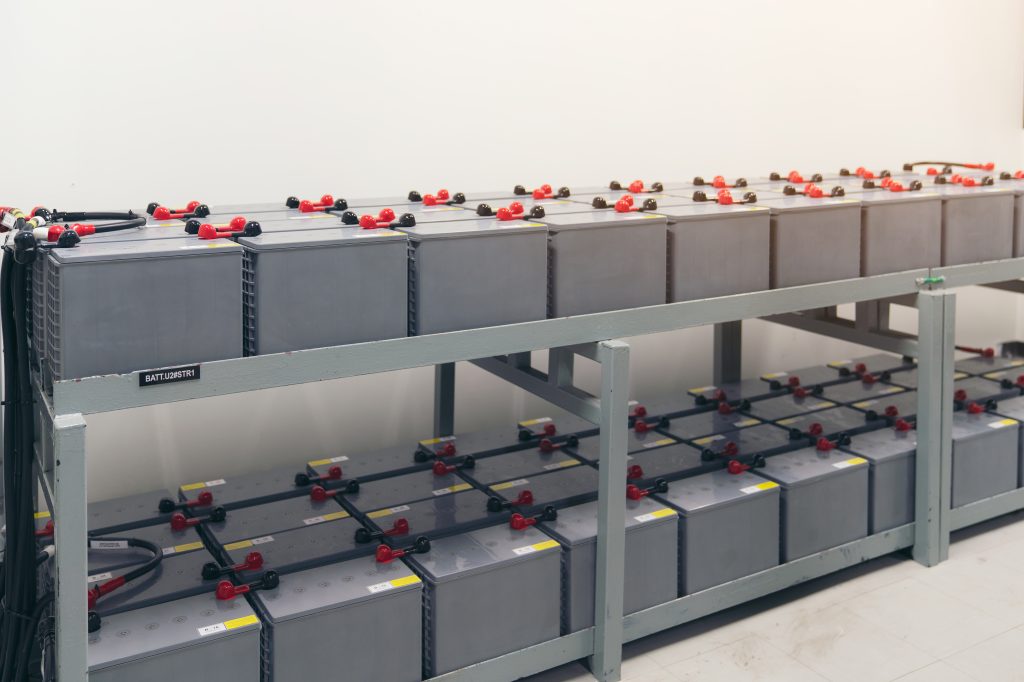
A reliable backup power system is important for both homes and businesses today. Many people now choose the Lithium-Ion UPS because it lasts longer, charges faster, and performs better than older battery types. These systems can protect your equipment during power outages and keep your operations running without interruption.
In Malaysia, Right Power Technology is a leading Lithium-Ion UPS supplier, trusted by many businesses for offering high-quality and reliable power solutions. With the right knowledge and care, your UPS can stay in great condition even during long periods of storage.
This blog will guide you through simple and effective tips on how to store your Lithium-Ion UPS safely. Following these tips will help you extend the design life of your system and avoid costly issues in the future.
Why Safe Storage Matters for Lithium-Ion UPS Systems
Lithium-ion batteries are different from older battery types like VRLA batteries. They offer better performance, but they also need proper storage conditions to stay healthy. Storing the UPS incorrectly can cause:
- Faster battery aging
- Loss of capacity
- Shorter lifespan
- Overheating risks
- Poor performance when needed
Good storage is not just about keeping the UPS in a room. It also includes monitoring temperature, humidity, charging level, and physical protection.
When stored correctly, your Lithium-Ion UPS will:
- Last longer
- Provide consistent backup power
- Offer safer operation
- Reduce maintenance and replacement costs
Key Conditions That Affect UPS Storage
Before storing your UPS, it is important to understand the factors that influence battery health. These include:
1. Temperature
Lithium-ion batteries are sensitive to high heat. Extreme temperatures are one of the biggest reasons batteries degrade faster than expected.
- Heat makes battery chemicals react faster, which reduces longevity.
- Low temperatures can slow down battery activity and performance.
Keeping the UPS in a temperature-controlled area helps maintain its health.
2. State of Charge
This refers to how much power the battery holds while in storage.
- A fully charged battery puts stress on the cells.
- A fully drained battery can go into deep discharge, making it hard to recover.
A balanced charge level is best for long-term storage.
3. Humidity
Moisture can damage electronic parts inside the UPS and increase the risk of corrosion.
4. Ventilation
Proper airflow prevents heat buildup around the system. Poor ventilation can increase internal heat and shorten battery life.
5. Handling
Dropping or shaking the UPS can damage both the battery and the internal electronics.
Understanding these factors makes it easier to apply the best storage practices.
Safe Storage Tips for Lithium-Ion UPS Systems
Here are the best tips to follow when storing your Lithium-Ion UPS for short-term or long-term use.
1. Use a Temperature-Controlled Environment
Temperature is the most important factor in keeping your UPS safe during storage. The ideal temperature range is:
59°F to 77°F (15°C to 25°C)
Tips:
- Avoid leaving the UPS in hot places like near windows, attics, or factories without air conditioning.
- Do not store it in very cold areas like freezers or unheated storage rooms.
- Keep away from heaters, stoves, and machines that generate heat.
2. Keep the Battery at 40% to 60% Charge
This is the healthiest range for battery storage. It reduces stress on the cells and helps maintain battery life.
- Charge the UPS to around half before putting it in storage.
- Avoid storing it at 100% — this increases wear on the battery.
- Do not store it empty either, because deep discharge damages lithium-ion cells.
If stored for a long time, recharge the UPS every 6 to 12 months to keep the battery active.
3. Keep the Storage Area Dry and Well-Ventilated
Humidity and poor ventilation can damage the UPS over time.
Humidity should stay around 40% to 60%.
Use these tips:
- Avoid damp basements, areas near water pipes, or places prone to leaks.
- Use a dehumidifier if you live in a humid climate.
- Keep the UPS away from wet surfaces or liquids.
- Make sure there is airflow around the UPS, especially when storing multiple units.
Good ventilation helps avoid overheating and moisture build-up.
4. Avoid Stacking Heavy Items on the UPS
Physical pressure or impact can damage the internal structure of the UPS. Even though it looks strong from the outside, the internal parts are sensitive.
- Store the UPS upright.
- Do not pile boxes on top of it.
- Keep it on a stable shelf or surface.
- Use the original packaging if possible, especially for long-term storage.
Safe handling protects the UPS from unnecessary damage.
5. Perform Regular Inspections During Storage
Even when not in use, your UPS needs periodic checks.
Inspect every few months to check for:
- Battery swelling
- Unusual smells
- Corrosion
- Leakage
- Cracks or damage to the casing
If the UPS includes monitoring software, use it to check the battery’s status during inspections.
6. Keep Away from Magnetic Fields
Strong magnetic fields from motors, generators, or industrial machines can interfere with the UPS electronics.
- Store away from heavy machinery
- Keep distance from magnets or industrial equipment
- Avoid placing it near servers or devices that generate electromagnetic fields
This prevents interference and protects sensitive components.
Mistakes to Avoid When Storing Lithium-Ion UPS
To protect your UPS and avoid problems in the future, never make these storage mistakes:
1. Storing the UPS Fully Charged
A 100% charge may seem good, but it puts long-term stress on the battery.
2. Leaving the UPS in Hot Places
High heat is one of the fastest ways to damage lithium-ion batteries.
3. Letting the Battery Drain Completely
Deep discharge can permanently reduce battery capacity.
4. Ignoring Humidity Levels
Moisture damages UPS components and leads to corrosion.
5. Forgetting Regular Checks
Even in storage, battery systems need periodic testing.
Benefits of Proper Storage
Storing your Lithium-Ion UPS the right way gives you many benefits:
- Longer battery life
- Higher performance
- Better safety
- Reduced maintenance cost
- More reliable power backup
- Better return on investment
Proper storage helps you get the most value out of your UPS system.
Conclusion
A Lithium-Ion UPS is one of the best solutions for reliable and long-lasting backup power. But to maintain its performance, it must be stored correctly. Simple steps like controlling temperature, keeping the battery at the right charge level, avoiding moisture, and inspecting the unit regularly can make a big difference in how long the UPS lasts.
In Malaysia, Right Power Technology is a leading Lithium-Ion UPS supplier, known for delivering high-quality and dependable power solutions to companies and homeowners. When you follow the safe storage tips in this guide, you help ensure your UPS stays in great condition and ready to protect your equipment when needed.
Find more about:
- How UPS Containment System Enhances Reliability
- Best Practices for Storing Lithium-Ion UPS Systems Safely
- Why the UPS Containment System Is Crucial for Modern IT Infrastructure
- Why an Efficient Data Center Cooling System Is Essential for Your Data Center UPS System
- Why Battery Management System Is Essential For Modern Energy Storage