In the fast-paced world of project management, Agile certifications are gaining traction. They are seen as a pathway to career advancement and professional growth. But how exactly do these certifications enhance your career? What value do they bring to your professional journey?
This article aims to answer these questions. It will delve into the world of Agile project management and Agile methodologies. We will explore the impact of Agile certifications on your career. From career advancement opportunities to increased competitiveness in the job market, we’ll cover it all.
Whether you’re a seasoned professional or a newcomer to the field, this article will provide valuable insights. Let’s embark on this journey to understand how Agile certifications can improve your career.
Understanding Agile Certifications
Agile certifications are professional credentials. They validate your knowledge and skills in Agile project management and methodologies. These certifications are offered by various organizations. Each has its own focus, prerequisites, and examination process.
Some certifications target specific roles in Agile teams. These include Scrum Master, Product Owner, and Agile Coach. Others focus on specific Agile methodologies like Scrum, Lean, or Kanban.
Here are a few popular Agile certifications:
- Registered Scrum Master (RSM)
- Certified Scrum Master (CSM)
- Professional Scrum Master (PSM)
- Registered Product Owner (RPO)
- Certified Product Owner (CPO)
- SAFe Agilist (SA)
- PMI Agile Certified Practitioner (PMI-ACP)
What is Agile?
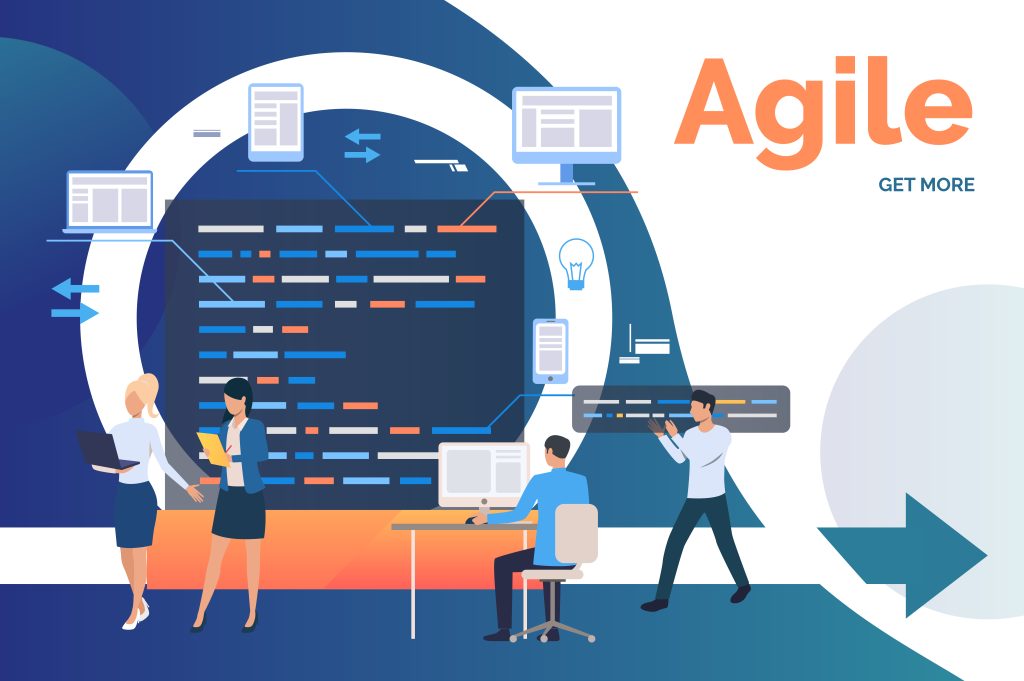
Agile is a mindset, a way of thinking. It’s about flexibility, adaptability, and responsiveness to change. Agile methodologies prioritize customer satisfaction. They focus on continuous improvement and team collaboration.
Agile practices are known for their flexibility. They can be adapted to different project types and industries, not just IT.
The Importance of Agile Certifications
Agile certifications demonstrate your commitment to professional development. They show your mastery of Agile principles and practices. Employers often view these certifications as a testament to your expertise and dedication. They can be a differentiator in a competitive job market.
Moreover, Agile certifications can enhance your ability to manage complex projects efficiently. They can lead to roles pivotal in guiding teams and driving Agile transformation in organizations. Finally, Agile certifications can lead to international career opportunities. They are globally recognized, opening doors to work in different countries and cultures.
The Impact of Agile Certifications on Your Career
Agile certifications can have a significant impact on your career. They can lead to career advancement and higher salary potential. Certified professionals are often sought after. They are valued for their ability to drive Agile transformation in organizations.
Agile certifications can also help professionals transition into Agile roles or industries. They can provide a pathway for career changers to enter the field of project management.
Here are a few ways Agile certifications can impact your career:
- Career advancement opportunities
- Increased salary potential
- Enhanced job market competitiveness
- Continuous professional development
Career Advancement Opportunities
Agile certifications can open doors to new roles. These include Agile Coach, Scrum Master, and Product Owner. These roles are pivotal in guiding teams. They play a key role in driving Agile transformation in organizations.
Moreover, Agile certifications can be a stepping stone to higher leadership positions. They can enhance your credibility and authority in the field of project management.
Salary and Job Market Competitiveness
Agile certifications can lead to higher salary potential. Certified professionals often earn more than their non-certified counterparts. In a competitive job market, Agile certifications can be a differentiator. They can give you an edge over other candidates.
Furthermore, Agile certifications can provide a competitive edge when applying for grants or funding for projects. They can validate your expertise and dedication to Agile practices.
Professional Development and Continuous Learning
Agile certifications demonstrate a commitment to professional development. They show your mastery of Agile principles and practices. Certifications often require ongoing education. This ensures that professionals stay current with industry trends.
Moreover, Agile training provides practical skills. These can be immediately applied in the workplace, leading to continuous improvement and learning.
Popular Agile Certifications and Their Focus Areas
There are many Agile certifications available. Each focuses on different aspects of Agile methodologies. Some certifications focus on specific roles like Registered Scrum Master or Registered Product Owner. Others focus on Agile coaching and leadership. There are also certifications for specialized Agile methodologies. These include Kanban, Lean, and SAFe.
Here are some popular Agile certifications and their focus areas:
- Scrum Master and Product Owner Certifications
- Agile Coaching and Leadership Certifications
- Specialized Agile Methodologies: Kanban, Lean, and SAFe
Scrum Master and Product Owner Certifications
Scrum Master and Product Owner certifications are popular. They focus on specific roles within Agile teams. Scrum Master certification validates your ability to lead and motivate Agile teams. It also validates your understanding of Scrum principles and practices.
Product Owner certification, on the other hand, focuses on product management. It validates your ability to manage product backlogs and work with stakeholders.
Agile Coaching and Leadership Certifications
Agile Coaching and Leadership certifications are also in demand. They focus on guiding teams and organizations through Agile transformations. Agile Coaching certification validates your ability to coach teams and individuals. It also validates your understanding of Agile principles and practices.
Leadership certifications, on the other hand, focus on leading Agile transformations. They validate your ability to lead and motivate Agile teams.
Specialized Agile Methodologies: Kanban, Lean, and SAFe
There are also certifications for specialized Agile methodologies. These include Kanban, Lean, and SAFe. Kanban certification focuses on workflow management. It validates your understanding of Kanban principles and practices.
Lean certification focuses on waste reduction and continuous improvement. SAFe certification, on the other hand, focuses on scaling Agile practices for larger organizations.
Choosing the Right Agile Certification for You
Choosing the right Agile certification can be a challenge. There are many factors to consider. First, you need to assess your current skills and experience. Then, you need to align your certification choice with your career goals.
Here are some steps to help you choose the right Agile certification:
- Assessing Your Current Skills and Experience
- Aligning Certifications with Career Goals
Assessing Your Current Skills and Experience
Before choosing a certification, assess your current skills and experience. This will help you identify any gaps in your knowledge. If you’re new to Agile, consider starting with a foundational certification. If you’re experienced, consider a more advanced certification.
Remember, the goal is to enhance your skills, not just to add a certification to your resume.
Aligning Certifications with Career Goals
Next, align your certification choice with your career goals. If you want to become a Scrum Master, choose a certification that focuses on that role. If you want to lead Agile transformations, consider a leadership certification. Always choose a certification that will help you achieve your career goals.
Remember, the right certification can open doors to new career opportunities.
Preparing for Agile Certification Exams
Once you’ve chosen the right Agile certification, it’s time to prepare for the exam. This can be a daunting task, but with the right approach, you can succeed.
Here are some steps to help you prepare for your Agile certification exam:
- Study Materials and Training Courses
- Joining Study Groups and Agile Communities
Study Materials and Training Courses
Start by gathering study materials. This can include books, online courses, and practice exams. Many certification bodies offer official study guides. These guides cover the exam content in detail.
Training courses can also be beneficial. They provide structured learning and expert guidance.
Joining Study Groups and Agile Communities
Joining study groups can be very helpful. They provide a platform for discussion and mutual learning. Agile communities are also valuable. They offer networking opportunities and access to experienced Agile professionals.
Remember, preparation is key to passing your Agile certification exam.
The Long-Term Benefits of Being Agile Certified
Agile certifications offer long-term benefits that extend beyond passing the exam. They can shape your career in many ways. Certifications keep you relevant in a changing industry. They also open doors to networking and community involvement.
Staying Relevant in a Changing Industry
The IT industry is always evolving. Agile certifications help you stay up-to-date with the latest trends and practices. Certifications also demonstrate your commitment to continuous learning. This is highly valued in the Agile community.
In essence, Agile certifications ensure you remain a valuable asset in the industry.
Networking and Community Involvement
Agile certifications also provide networking opportunities. You can connect with other Agile professionals and learn from their experiences. Being part of the Agile community can also lead to new opportunities. This includes speaking at conferences or contributing to Agile thought leadership.
In conclusion, Agile certifications offer long-term benefits that can significantly enhance your career.
Conclusion
Agile certifications are more than just a credential. They are a testament to your dedication to mastering Agile methodologies and principles. These certifications can significantly enhance your career. They can lead to career advancement, higher salary potential, and a competitive edge in the job market.
In a world that values adaptability and continuous improvement, Agile certifications can be your key to success. They can help you navigate the complexities of project management and lead your team to success.In conclusion, if you want to advance your career, consider getting a Best Scrum Master Certification. The Registered Scrum Master course from CiAgile is a great option. It is a great option for leading high-performing teams. This certification provides you with the skills and knowledge needed to become an effective Scrum Master, enabling you to drive productivity and success in any agile environment. With expert instructors and a comprehensive curriculum, CI Agile ensures that you’re well-equipped to excel in your role. Enroll in the Registered Scrum Master course today and take your first step towards agile mastery with CI Agile.