In today’s fast-paced business world, staying competitive is crucial. Malaysian businesses face unique challenges and opportunities. Implementing the right technology can make a significant difference.
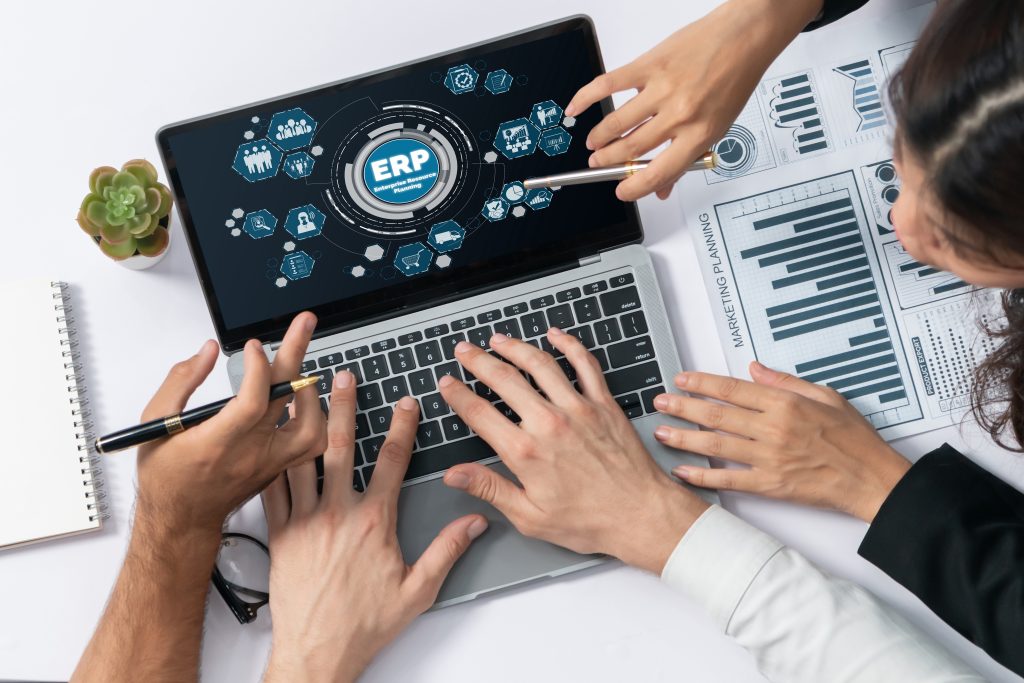
Enterprise Resource Planning (ERP) systems offer a comprehensive solution. They integrate various business processes into a single platform. This integration streamlines operations and boosts efficiency.
ERP systems provide real-time data and analytics. This feature supports better decision-making and strategic planning. Businesses can respond quickly to market changes.
Cost savings are another major benefit. ERP systems automate routine tasks, reducing operational costs. They also optimize resource allocation and utilization.
Collaboration across departments improves with ERP systems. They enhance communication and coordination, leading to better teamwork. This results in increased productivity and innovation.
ERP systems also ensure compliance with local regulations. They enhance data security, reducing the risk of breaches. Malaysian businesses can operate with confidence and peace of mind.
Scalability is vital for growing businesses. ERP systems offer flexibility to support expansion. They adapt to changing business needs and market conditions.
What is an ERP System? An Overview for Malaysian Businesses
An ERP system is a software solution that integrates key business processes. These include finance, human resources, sales, supply chain, and more. By centralizing data, ERP systems eliminate silos within an organization.
Implementing an ERP system offers several advantages to Malaysian businesses. It facilitates seamless communication and data sharing across departments. This integration enhances operational efficiency and reduces redundancy.
ERP systems are equipped with real-time analytics tools. They provide insights and forecasts for informed decision-making. Businesses can thus respond swiftly to opportunities and threats.
Key features of ERP systems include:
- Centralized database for unified data access
- Automation of routine tasks and processes
- Real-time data tracking and reporting
Ultimately, an ERP system acts as the backbone of a business. It supports various functions and drives strategic growth. By adopting ERP software, Malaysian businesses can improve performance and maintain a competitive edge.
Key Benefits of ERP Systems for Malaysian Businesses
ERP systems provide significant advantages to Malaysian businesses. They integrate processes, leading to greater operational efficiency. By reducing manual work, they free up resources for strategic tasks.
Moreover, ERP systems enhance data transparency across all departments. This centralization improves collaboration and aids in making informed decisions. As a result, businesses can maintain a competitive edge in the market.
1. Streamlined Business Processes and Improved Efficiency
ERP systems eliminate redundancies and streamline processes. This results in smoother operations and reduced error rates. Automation allows employees to focus on higher-value activities.
Businesses can leverage the following benefits through ERP integration:
- Improved workflow management
- Reduction in manual data entry
- Enhanced consistency in processes
By adopting an ERP system, Malaysian businesses can operate more productively. Streamlined processes contribute to faster service delivery. Thus, companies can scale operations effectively while maintaining quality.
2. Real-Time Data, Analytics, and Better Decision-Making
ERP systems provide real-time data access, which is crucial for informed decision-making. Businesses receive instant insights into their operations, enhancing their strategic planning.
With ERP analytics, companies can analyze trends and forecast outcomes. This capability supports more accurate budgeting and resource allocation.
Key advantages of using ERP analytics include:
- Instant access to business metrics
- Improved forecasting accuracy
- Timely identification of business opportunities
The ability to make data-driven decisions can significantly impact a business’s success. By utilizing real-time analytics, Malaysian enterprises can stay competitive in a dynamic market.
3. Enhanced Collaboration and Communication Across Departments
ERP systems foster better communication within organizations. They break down silos and encourage knowledge sharing among departments.
Key collaborative benefits of ERP systems include:
- Unified data access across teams
- Streamlined approval processes
- Enhanced project management capabilities
With improved collaboration, teams can work together more effectively. This synergy enhances overall productivity and supports innovation. As such, Malaysian businesses can swiftly adapt to new challenges and opportunities.
4. Cost Savings and Resource Optimization
An ERP system contributes significantly to cost savings. By automating routine tasks, it reduces labor costs and errors, streamlining resource use.
Cost-saving features of ERP systems include:
- Automated invoicing processes
- Integrated financial management
- Reduced IT overheads through centralization
ERP systems optimize resource allocation by identifying inefficiencies. This allows businesses to redirect resources to growth initiatives. Consequently, Malaysian companies can achieve greater profitability.
5. Improved Inventory and Supply Chain Management
ERP systems enhance inventory management by providing comprehensive oversight. They ensure optimal stock levels, reducing wastage.
Key features improving inventory management include:
- Real-time tracking of inventory
- Automated reorder alerts
- Comprehensive supply chain visibility
With an ERP system, businesses can manage their supply chains more efficiently. This helps in maintaining timely deliveries and improving customer satisfaction. Malaysian companies can thus enhance their market position.
6. Regulatory Compliance and Data Security in Malaysia
ERP systems help ensure compliance with regulations relevant to Malaysia. They automate the tracking of compliance tasks and maintain accurate records.
Advantages of ERP in compliance and security include:
- Automated auditing processes
- Centralized compliance documentation
- Robust data protection measures
ERP systems also enhance data security, protecting against breaches. Ensuring compliance and security fosters trust and reliability in business operations.
7. Scalability and Flexibility for Growing Businesses
ERP systems are highly scalable, accommodating business growth. They support the expansion of operations without disruptions.
Key flexible features of ERP systems include:
- Modular architecture for easy upgrades
- Integration with new business units
- Dynamic resource scaling
As Malaysian businesses grow, ERP systems provide the needed flexibility. They enable smooth transitions during expansions. Thus, ensuring consistent performance and supporting long-term strategies.
8. Enhanced Customer Service and Experience
ERP systems improve customer service by ensuring faster and more efficient responses. Access to comprehensive customer data enables personalized interactions.
Customer-centric features include:
- Instant access to customer history
- Improved response times
- Consistent service quality
Improved customer service leads to higher customer satisfaction. Malaysian businesses can retain clients and nurture long-term relationships through enhanced service.
9. Support for Remote Work and Cloud-Based Operations
ERP systems support remote work, enabling access from any location. This flexibility is crucial in today’s evolving work environment.
Key remote work features include:
- Cloud-based data accessibility
- Secure remote log-in options
This adaptability allows Malaysian businesses to support a diverse workforce. It ensures business continuity regardless of employee location.
10. Customization and Integration with Other Business Tools
ERP systems can be tailored to fit specific business needs. They also integrate seamlessly with existing tools and platforms.
Customization features offer:
- Industry-specific module support
- Easy integration with external software
- Tailored user interfaces
By customizing ERP solutions, Malaysian businesses can meet unique operational requirements. This leads to a more cohesive and efficient technological ecosystem.
How to Choose the Right ERP System in Malaysia
Choosing an ERP system in Malaysia requires careful consideration. It is essential to align with your specific business needs and goals. Start by assessing your company’s current processes and future growth plans.
There are critical factors to consider when evaluating an ERP system:
- Industry Fit: Ensure the system caters to your industry-specific requirements.
- Scalability: Choose a solution that can grow with your business.
- User-Friendliness: Opt for a system that is intuitive and easy for employees to adopt.
- Support and Training: Verify the availability of local support and comprehensive training programs.
- Integration Capabilities: Ensure seamless integration with existing tools and systems.
Selecting the right ERP system is crucial for maximizing efficiency and achieving business success. By thoroughly evaluating options and involving key stakeholders, you can ensure a smooth implementation. This strategic choice will support sustained growth and competitive advantage for Malaysian businesses.
Case Study: Malaysian Businesses Succeeding with ERP Solutions
Malaysian businesses are leveraging ERP systems to drive growth and efficiency. A notable example is a mid-sized manufacturing firm in Kuala Lumpur. They implemented an ERP solution to unify disparate processes across departments, achieving significant improvements in workflow.
Post-implementation, the company saw a 25% increase in productivity. These gains were realized by automating routine tasks and improving data accuracy. The ability to make informed decisions swiftly enabled the firm to respond proactively to market changes.
Another success story comes from a retail chain which enhanced its supply chain management with ERP software in Malaysia. They reduced inventory costs by 15%, minimizing wastage and optimizing stock levels. Real-time data access played a crucial role in achieving these savings.
Key takeaways from these successful implementations include:
- Customized Solutions: Tailored systems met specific business requirements.
- Employee Buy-in: Comprehensive training ensured smooth adaptation.
- Continuous Support: Ongoing vendor support fostered system optimization.
These case studies highlight the transformative impact of ERP systems on Malaysian businesses. With careful planning and execution, companies can leverage technology to attain operational excellence.
Common Challenges and Tips for Successful ERP Implementation
Implementing an ERP system in Malaysia often presents challenges. One common issue is data migration. Transferring existing data to a new system can be complex and time-consuming. Inaccurate data transfers can disrupt operations.
Another challenge involves user resistance. Employees may resist changes in familiar workflows. Lack of engagement can hinder the benefits of the new system. Effective change management is essential to address this.
Key tips for a successful ERP implementation include:
- Thorough Planning: Establish clear goals and timelines.
- Employee Training: Provide comprehensive training to ensure user proficiency.
- Vendor Support: Choose a vendor offering ongoing technical support.
By anticipating these challenges and preparing adequately, Malaysian businesses can achieve smooth ERP transitions. Careful planning and open communication are vital for success.
Conclusion: Why ERP is Essential for Malaysian Business Growth
ERP systems are no longer a luxury but a necessity for competitive businesses in Malaysia. They consolidate disparate functions into a single, streamlined platform, driving efficiency and innovation. This integration is crucial as companies strive to stay ahead in an increasingly digital marketplace.
Furthermore, ERP systems offer Malaysian businesses a tool for scaling operations without a hitch. They ensure smooth communication across departments and mitigate common operational hurdles. Embracing an ERP solution not only supports growth but also ensures sustainable business practices. Malaysian companies that leverage ERP technology position themselves for continuous improvement and enduring success.
Find more about: