Environmental Impact Assessment (EIA) and Indoor Air Quality assessments (IAQ) are crucial aspects of ensuring a sustainable and healthy environment. EIA evaluates the potential impacts of proposed projects on the environment, while IAQ focuses on assessing and maintaining the quality of indoor air. Together, these practices play a vital role in protecting our health, well-being, and the environment. This article aims to provide a comprehensive understanding of EIA and IAQ, highlighting their significance and the services offered by A&A Scientific Resources, Malaysia’s leading environmental analysis laboratory.
Environmental Impact Assessment
Environmental Impact Assessment (EIA) is a systematic study that identifies, evaluates, and communicates information about the potential environmental impacts of proposed projects. It involves a wide range of criteria, including buffer zones, air and water pollution, geology and hydrology, social and cultural aspects, ecology, and land value. The purpose of EIA is to ensure that projects are planned and implemented in an environmentally responsible manner, taking into account potential impacts and mitigating measures.
The process of EIA begins with scoping, where the project’s scope and key environmental concerns are identified. This is followed by baseline studies to assess the existing environmental conditions. The next step involves impact prediction, where potential impacts are identified and evaluated. Mitigation measures are then proposed to minimize or eliminate adverse effects. Finally, the EIA report is prepared, including recommendations and an evaluation of the project’s environmental acceptability.
Indoor Air Quality Assessment
Indoor Air Quality (IAQ) assessment refers to the condition of the air inside buildings and structures, which has a direct impact on the health and well-being of occupants. Poor IAQ can lead to various health issues, including respiratory problems, allergies, and reduced productivity. Factors affecting IAQ assessment includes inadequate ventilation, the presence of pollutants, temperature and humidity levels, and building materials.
Maintaining good IAQ involves several measures. Adequate ventilation is essential to ensure a constant supply of fresh air and the removal of indoor pollutants. Proper filtration and maintenance of ventilation systems help prevent the recirculation of contaminants. Additionally, controlling pollutant sources, such as tobacco smoke, volatile organic compounds, and cleaning products, is crucial in improving IAQ. Regular monitoring and testing of indoor air quality parameters, such as carbon dioxide levels, humidity, and particulate matter, allow for early detection of potential issues.
The Impact on Health
Poor indoor air quality can have detrimental effects on human health. Exposure to biological contaminants can lead to respiratory infections, allergies, and exacerbation of asthma symptoms. Chemical pollutants, such as tobacco smoke and volatile organic compounds, can cause respiratory and cardiovascular issues. Additionally, particles suspended in the air can irritate the respiratory system and contribute to respiratory illnesses.
Furthermore, long-term exposure to indoor air pollution has been linked to more severe health problems, including chronic respiratory diseases, cardiovascular diseases, and even certain cancers. It is particularly important to consider vulnerable populations, such as children, the elderly, and individuals with preexisting health conditions, who are more susceptible to the adverse effects of poor IAQ.
The Impact on Productivity
Indoor air quality also significantly affects productivity and cognitive function. Studies have shown that exposure to high levels of indoor pollutants can impair cognitive performance, memory, and concentration. Headaches, fatigue, and respiratory discomfort caused by poor IAQ can lead to decreased productivity and absenteeism in workplaces and educational settings.
In addition, the thermal comfort provided by proper IAQ is essential for maintaining optimal productivity. Uncomfortable temperature and humidity levels can cause distractions and discomfort, affecting the ability to focus and perform tasks efficiently. We all want to live happily in an eco friendly environment.
Services by A&A Scientific Resources
A&A Scientific Resources is a leading environmental analysis laboratory and accredited laboratory in Malaysia, offers comprehensive range of services related to EIA and IAQ. Their expertise and commitment to environmental excellence make them a trusted partner in creating a sustainable future. The laboratory provides services such as laboratory analysis, environmental sampling, compliance assistance, health and safety monitoring, and consultation based on thorough evaluations of EIAs. Their team of skilled environmental professionals, in collaboration with EIA consultants, ensures that environmental assessments are conducted diligently and responsibly.
Environmental Monitoring Services
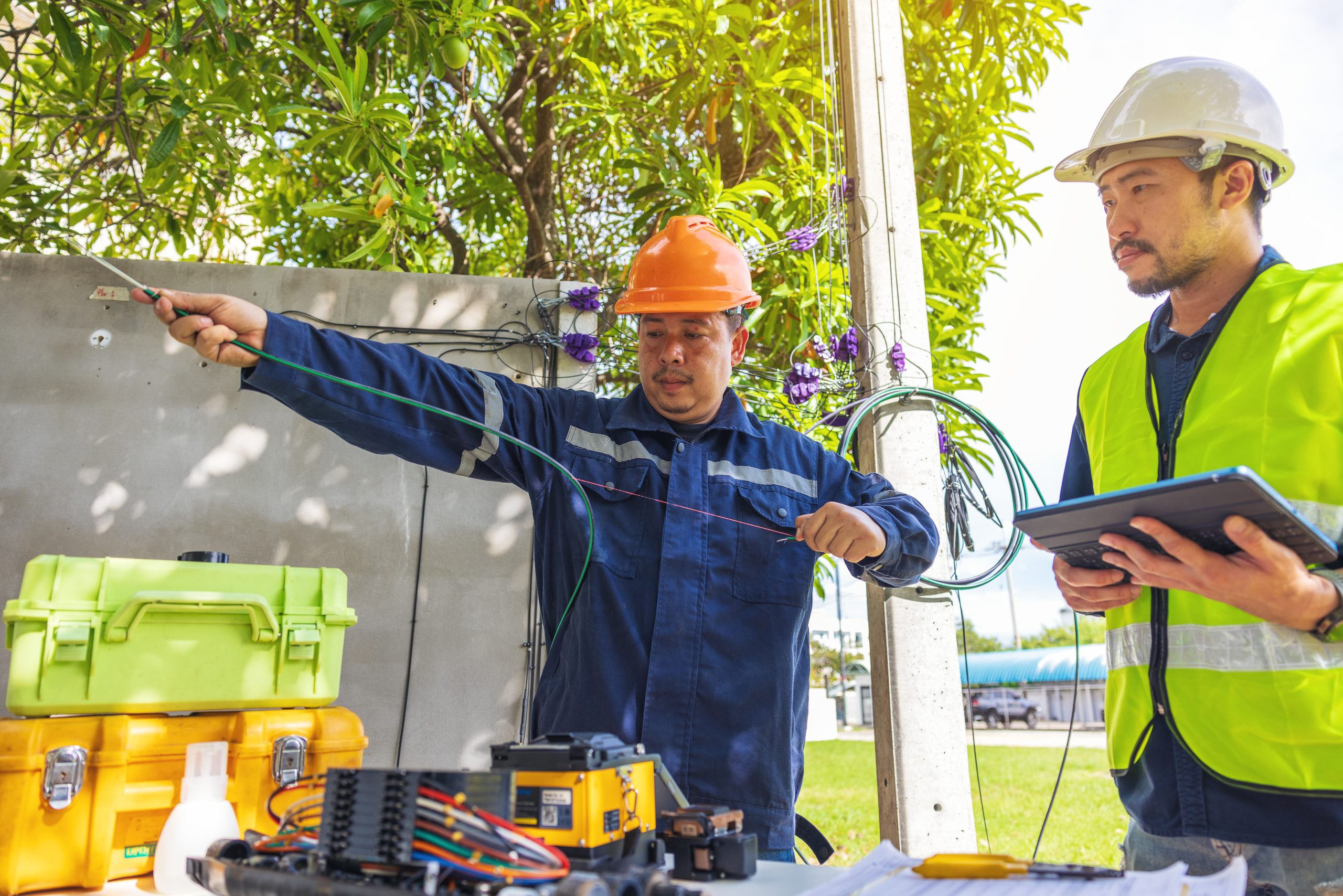
UiTM-A&A Laboratory, as an experienced environmental consultant and accredited laboratory in Malaysia, offers a wide range of environmental monitoring services that contribute to the EIA process. These services provide crucial data and insights for assessing and mitigating the potential environmental impacts of a project. The company’s expertise and advanced instrumentation allow for accurate and reliable monitoring results.
Ambient Air Monitoring: This involves assessing air quality and pollutants in the surrounding atmosphere, such as particulate matter, gases, and volatile organic compounds. It helps identify potential air pollution sources and their impacts on human health and the environment.
Weather Station: Monitoring weather conditions is essential for understanding meteorological factors that can influence pollutant dispersion, precipitation patterns, and climate change.
Vibration Monitoring: Assessing vibrations generated by construction activities or industrial operations is crucial to minimize potential damage to nearby structures and ensure compliance with regulatory limits.
River Water Monitoring: Monitoring the quality and flow of river water helps identify changes in water chemistry, sedimentation levels, and the presence of pollutants, ensuring the protection of aquatic ecosystems and water resources.
Marine Monitoring: This involves assessing the health of marine ecosystems, monitoring water quality, and studying the impact of projects on marine habitats, including coral reefs, fish populations, and other marine organisms.
Groundwater Monitoring: Monitoring groundwater quality and levels is essential to protect drinking water sources and identify potential contamination risks from nearby activities.
Boundary Noise Monitoring: Monitoring noise levels at project boundaries ensures compliance with noise regulations and minimizes the impact on nearby communities.
Soil Monitoring: Assessing soil quality, composition, and potential contamination helps identify risks to vegetation, groundwater, and human health.
Conclusion
In conclusion, Environmental Impact Assessment (EIA) and Indoor Air Quality (IAQ) assesments are essential practices for maintaining a sustainable environment and ensuring the well-being of individuals. A&A Scientific Resources, as Malaysia’s leading environmental analysis laboratory, offers a wide range of services in support of these practices. By conducting comprehensive evaluations, providing expert advice, and offering reliable testing and analysis, they contribute to creating a greener and healthier future. Contact A&A Scientific Resources today, an accredited laboratory in Malaysia to benefit from their expertise and services. Environmental Impact Assessment (EIA) studies are vital for sustainable development and responsible project planning. As an integral part of the EIA process, environmental monitoring services provided by companies like UiTM-A&A Laboratory play a crucial role in obtaining accurate data and insights. Indoor air quality assessment has a profound impact on human health and productivity. Understanding the sources and effects of indoor pollutants is key to creating healthier indoor environments. Regular assessment and implementation of mitigation strategies are vital in ensuring good IAQ.
To learn more about A&A Scientific Resources, commitment to environmental analysis and consultation, visit the link. Contact today to benefit from expertise and services in environmental impact assessment, indoor air quality, and creating a sustainable future.