Data centers are the backbone of our digital world. They consume vast amounts of energy, with cooling systems being a major contributor. As we approach 2026, optimizing data center cooling efficiency becomes crucial.
Advanced HVAC systems and energy-efficient strategies are at the forefront of this transformation. These innovations not only reduce costs but also minimize environmental impact.
Data center managers and IT professionals must stay informed about the latest best practices. This guide will explore key strategies for enhancing cooling efficiency.
From leveraging AI to integrating renewable energy, the future of data center cooling is promising. Let’s dive into the best practices for optimizing cooling efficiency in 2026.
The Importance of Cooling Efficiency in Modern Data Centers
Cooling efficiency in data centers is vital for maintaining optimal operation. Without it, performance can degrade, and equipment may fail. Efficient cooling ensures that servers remain within safe temperature ranges.
High energy consumption in data centers can inflate operational costs. Cooling systems often account for a large portion of this energy use. Optimizing these systems can lead to significant cost savings and reduced environmental footprints.
Keeping data centers cool is not just about technology. It’s about sustainability and environmental responsibility. Efficient cooling practices contribute to greener data centers, aligning with global sustainability goals.
Consider these key benefits of cooling efficiency:
- Reduced Energy Costs: Lower cooling energy use saves money.
- Environmental Impact: Efficient cooling decreases carbon emissions.
- Equipment Longevity: Optimal temperatures extend server life.
- Performance: Improved cooling boosts overall data center productivity.
In essence, cooling efficiency drives both economic and ecological benefits for modern data centers.
Understanding Cooling Loads and Data Center Requirements
Understanding cooling loads is crucial for optimizing data center performance. Cooling loads are determined by the heat generated from IT equipment and environmental factors. Knowing these loads helps tailor cooling solutions to specific needs.
The design and layout of a data center significantly influence cooling requirements. Factors such as server density and airflow patterns impact cooling efficiency. It’s essential to assess these aspects thoroughly during planning phases.
By comprehensively evaluating cooling loads, data center managers can implement appropriate strategies. Here are key considerations to keep in mind:
- Equipment Heat Output: Assess the heat each server generates.
- Ambient Conditions: Consider external environmental conditions.
- Data Center Design: Evaluate floor layout and airflow routes.
- Capacity Planning: Anticipate future growth in equipment and loads.
Taking these factors into account ensures that cooling solutions are efficient and sustainable, meeting both current and future demands.
Advanced HVAC Systems: Technologies and Integration
Advanced HVAC systems play a vital role in maintaining data center cooling efficiency. These systems ensure optimal temperature and humidity levels, which are crucial for equipment performance and longevity. As technology evolves, so do the capabilities of HVAC systems.
Integration of state-of-the-art technologies like Variable Refrigerant Flow (VRF) systems enhances cooling efficiency. VRF systems adapt to cooling demands dynamically, promoting precise control over the temperature. This flexibility allows data centers to save energy by avoiding unnecessary cooling.
Modular HVAC systems are becoming increasingly popular due to their scalability and ease of integration. These systems can be expanded or reduced based on current needs, providing an efficient solution for growing data centers.
When considering advanced HVAC systems, it’s essential to focus on:
- Scalability: Adjust to changing demands and capacity.
- Adaptability: Respond to variable cooling loads.
- Energy Efficiency: Prioritize systems that minimize energy use.
- Compatibility: Ensure seamless integration with existing infrastructure.
These features ensure that HVAC systems align with modern data center needs, providing a sustainable approach to cooling and energy use.
Energy-Efficient Cooling Strategies for 2026
Energy efficiency remains a top priority for data centers seeking to optimize cooling. By reducing energy use, data centers not only cut costs but also minimize their environmental impact. As we approach 2026, various strategies are available to enhance cooling efficiency.
Free cooling methods are a key element in reducing energy consumption. Techniques like air-side and water-side economization use ambient conditions to cool data centers, vastly decreasing reliance on mechanical cooling systems. This approach is particularly effective in cooler climates.
Liquid cooling and immersion cooling are gaining traction, especially in high-density data centers. These strategies allow for efficient heat removal by directly cooling server components, which enhances overall cooling performance and energy efficiency.
Furthermore, the integration of renewable energy sources is critical. Supplementing traditional power with solar or wind energy can significantly lower the overall power usage footprint of data centers.
To maximize energy efficiency, data centers should consider implementing:
- Free Cooling: Utilize local climate for natural cooling.
- Liquid or Immersion Cooling: Direct cooling methods for high-density setups.
- Renewable Energy: Integrate sustainable energy sources.
- Efficient Hardware: Use energy-saving server components.
These strategies ensure data centers remain both cost-effective and eco-friendly, keeping pace with evolving technological needs and sustainability goals in 2026.
Leveraging AI, IoT, and Automation for Cooling Optimization
Incorporating AI and IoT technologies can elevate cooling management to unprecedented levels. These tools enable precise climate control and predictive maintenance, optimizing operations. With real-time data, AI can adjust HVAC systems dynamically, maintaining optimal temperature and humidity.
Automation further enhances these capabilities, by streamlining cooling processes and reducing human error. Automated systems can promptly address anomalies and alert staff to potential issues. This swift response helps prevent overheating and ensures consistent data center performance.
IoT devices also offer continuous monitoring and granular insights. With smart sensors, data centers can track equipment efficiency and environmental conditions. These insights provide valuable feedback, enabling strategic adjustments and more refined control over cooling processes.
Consider these benefits of leveraging AI, IoT, and automation:
- Real-Time Monitoring: Continuous data collection and analysis.
- Predictive Maintenance: Anticipate and resolve issues before they escalate.
- Dynamic Adjustments: AI-driven modifications to maintain optimal conditions.
- Enhanced Efficiency: Reduced manual intervention and improved system reliability.
These technologies empower data centers to remain efficient, cost-effective, and prepared for future demands.
Sustainable Cooling Solutions and Renewable Energy Integration
Embracing sustainable cooling solutions can greatly decrease the environmental impact of data centers. By integrating renewable energy sources, facilities can enhance their energy efficiency and reduce carbon footprints. The shift to greener operations aligns with global initiatives towards sustainability and energy conservation.
Renewable energy, like solar and wind power, can power data center cooling systems. This not only reduces reliance on fossil fuels but also cuts operating costs over time. The integration of these energy sources into existing infrastructure is becoming easier and more cost-effective.
Implementing sustainable cooling practices includes utilizing waste heat recovery systems and advanced thermal management techniques. These innovations help in maintaining cooling efficiency while minimizing energy wastage. Data centers can benefit from improved sustainability with:
- Renewable Energy Utilization: Solar and wind power adoption.
- Waste Heat Recovery: Reusing expelled heat for ancillary systems.
- Improved Thermal Management: Adopting systems that optimize heat dissipation.
The move towards sustainable practices ensures data centers meet both environmental and operational goals efficiently.
Best Practices for Airflow Management and Thermal Design
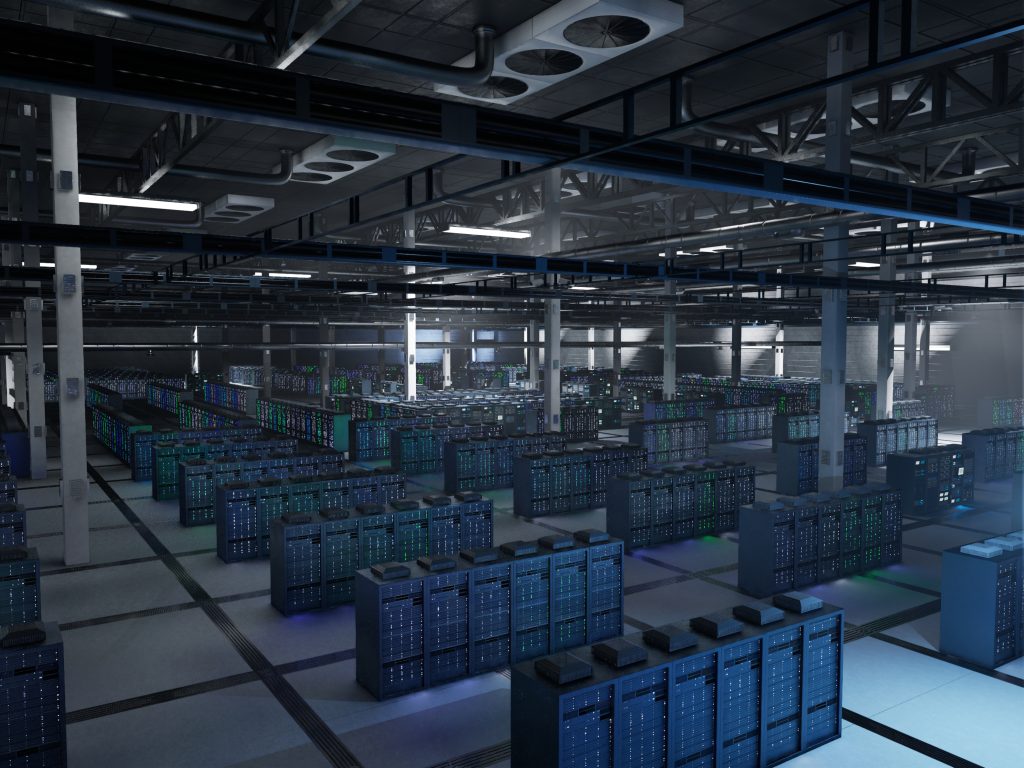
Effective airflow management is crucial for maximizing data center cooling efficiency. Improper airflow can lead to hotspots, which increase energy consumption and reduce equipment lifespan. By optimizing airflow, data centers ensure a balanced environment for all components.
One critical strategy involves arranging equipment to promote optimal air circulation. Hot aisle/cold aisle configurations can significantly improve airflow efficiency. These setups allow for separation of hot and cold air streams, reducing cooling demands.
Thermal design plays a key role in maintaining adequate cooling performance. Advanced simulations and modeling can predict thermal patterns and identify areas needing improvement. Key best practices for airflow and thermal management include:
- Aisle Configuration: Implement hot aisle/cold aisle layouts.
- Containment Systems: Use barriers to separate hot and cold air.
- Regular Assessment: Conduct thermal audits to identify inefficiencies.
Integrating these strategies helps maintain the integrity of cooling systems, enhancing the longevity and reliability of data center operations.
Maintenance, Monitoring, and Predictive Analytics
Regular maintenance of cooling systems is essential to ensure optimal performance and energy efficiency. Routine checks can identify potential issues before they escalate, minimizing downtime. Prioritizing maintenance helps extend the life of HVAC systems and cooling infrastructure.
Monitoring technologies provide real-time data on system performance and environmental conditions. By analyzing this information, data center managers can make informed decisions to enhance efficiency. Continuous monitoring ensures that cooling systems operate within predefined parameters, preventing inefficiencies.
Predictive analytics takes monitoring to the next level by using data to forecast potential failures or maintenance needs. This proactive approach reduces unexpected system outages and repairs, thus optimizing operations. Key practices in this domain include:
- Regular Inspections: Schedule routine maintenance checks.
- Real-time Monitoring: Utilize sensors for continuous data collection.
- Predictive Tools: Employ analytics to anticipate issues.
Implementing these practices ensures a robust, efficient, and reliable cooling infrastructure in data centers.
Retrofitting and Upgrading Existing Data Centers
Retrofitting is a strategic approach to enhance the efficiency of older data centers. By updating systems and components, facilities can meet modern demands. Retrofits often involve integrating advanced HVAC systems and improving existing infrastructure for better performance.
Upgrading offers a chance to implement the latest cooling technologies. This can include integrating renewable energy sources or improving the insulation and layout of facilities. When considering retrofitting, focus on key areas that can maximize impact and efficiency.
- Upgrade HVAC Systems: Incorporate cutting-edge technology.
- Improve Insulation: Enhance thermal management.
- Incorporate Renewables: Use solar or wind energy.
These steps ensure older data centers remain competitive and efficient while addressing modern cooling challenges.
Future Trends: Edge Computing, Liquid Cooling, and Beyond
The future of data center cooling is both exciting and complex. Edge computing is gaining traction, distributing processing closer to the source and reducing cooling demands at central hubs. This shift could transform how data centers manage heat, enabling more localized cooling solutions.
Liquid cooling is another emerging trend, proving effective for high-density environments. It offers better efficiency in transferring heat away from hot areas compared to traditional air cooling. Going beyond current practices, future trends suggest embracing hybrid systems and smarter cooling strategies.
- Edge Computing: Decentralizes data processing.
- Liquid Cooling: Improves heat management.
- Hybrid Systems: Combine techniques for optimal cooling.
These trends will shape the landscape, driving innovation and efficiency in cooling.
Conclusion: Building a Roadmap for Cooling Efficiency in 2026 and Beyond
To achieve cooling efficiency, integrate advanced HVAC systems with cutting-edge technologies. Prioritizing sustainability and energy efficiency will align operations with modern needs. This roadmap includes adopting best practices and retrofitting existing centers.
Future-proofing strategies are essential as technologies evolve. Forward-thinking and adaptive planning will secure data center performance and environmental objectives. This commitment ensures readiness for cooling challenges in 2026 and beyond.