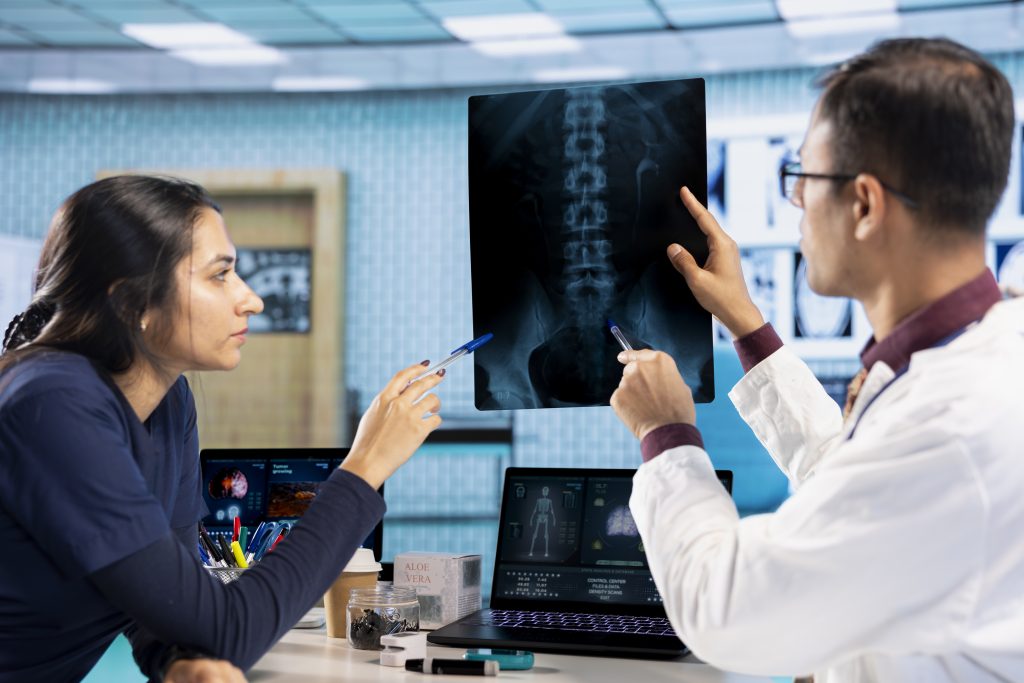
Radiology services have transformed healthcare, offering vital insights into the human body. These services encompass a range of imaging diagnostics, crucial for accurate disease detection and treatment planning.
Recent advancements in medical imaging have revolutionized patient care, enhancing both precision and speed. Technologies like digital X-rays and MRIs now provide clearer images, leading to faster diagnoses.
Artificial intelligence is playing an increasingly significant role in radiology, improving image analysis and interpretation. AI helps radiologists detect abnormalities with greater accuracy, benefiting patient outcomes.
Moreover, innovations such as 3D imaging and portable devices are expanding access to radiology services. These advancements ensure that even remote areas can benefit from cutting-edge medical imaging.
As technology continues to evolve, radiology services will further enhance healthcare, offering new possibilities for patient care and treatment.
The Evolution of Radiology Services
Radiology services have undergone significant transformations over the decades. Early imaging techniques provided limited insights, constraining disease diagnosis and treatment planning. With technological advances, medical imaging has become more precise and informative.
Key developments in radiology services include the introduction of digital imaging and improved diagnostic equipment. These changes have increased the accuracy and availability of imaging diagnostics. Today, digital X-rays and advanced MRIs are pivotal tools for healthcare providers.
The following advancements highlight the evolution of radiology:
- Transition from analog to digital imaging methods.
- Integration of cross-sectional imaging techniques.
- Implementation of AI algorithms in diagnostics.
These innovations have enabled more detailed images and reduced diagnostic errors. They have transformed radiology into an essential part of modern healthcare, enhancing patient care and outcomes. As new technologies emerge, radiology services will continue to advance, offering even greater capabilities to medical professionals.
Cutting-Edge Imaging Diagnostics Technologies
Recent developments in imaging diagnostics have revolutionized how diseases are diagnosed and treated. These cutting-edge technologies offer healthcare providers powerful tools for patient care.
Digital imaging, such as computed tomography (CT) scans, provides detailed cross-sectional views of the body. This allows for precise identification of abnormalities and precise medical intervention planning. CT scans offer quick results, improving response times in emergencies.
Magnetic Resonance Imaging (MRI) advancements have enhanced soft tissue visualization. These improvements enable the detailed assessment of neurological and muscular conditions. MRIs are crucial for evaluating complex disorders and planning targeted therapies.
The following technologies have shaped modern imaging diagnostics:
- High-resolution ultrasound devices.
- Novel nuclear medicine imaging with enhanced radiotracers.
- 3D and 4D imaging capabilities.
These technologies have improved how radiologists assess different conditions, from cardiac to oncological disorders. They ensure faster, more accurate diagnoses, reducing the need for invasive procedures. As technology evolves, healthcare providers gain more sophisticated diagnostic tools. This progress supports early disease detection and more effective treatment strategies, marking significant advancements in radiology services.
The Role of Artificial Intelligence in Medical Imaging
Artificial intelligence (AI) has become a transformative force in medical imaging. It enhances the capability of radiologists to interpret complex data.
AI algorithms swiftly analyze extensive imaging data, identifying patterns indiscernible to the human eye. This increases the accuracy of diagnosing various conditions, reducing errors and boosting confidence in radiology services.
Machine learning models predict patient outcomes using imaging data, aiding in treatment planning. These predictions allow for more tailored approaches, aligning with trends toward personalized medicine.
Key contributions of AI include:
- Improving image quality and reducing noise.
- Assisting with anomaly detection and segmentation.
- Supporting workflow optimization and prioritization.
AI is not just a tool but a collaborator for radiologists, ensuring that diagnoses are as accurate as possible. This partnership between human expertise and machine efficiency continues to shape future developments in medical imaging.
Patient-Centered Innovations in Radiology
Radiology services are advancing to prioritize patient comfort and experience. This shift focuses on reducing anxiety and improving interactions during imaging procedures.
One significant innovation is the use of noise reduction in MRI machines. Quieter machines create a more pleasant environment, making scans less intimidating for patients.
Developments in patient portals and apps enhance communication. Patients can access their medical images and results conveniently, promoting transparency and involvement in their healthcare.
Notable patient-centered innovations include:
- Compact, user-friendly imaging devices.
- Improved scheduling and shorter wait times.
- Enhanced focus on patient feedback and satisfaction.
These advancements reflect a broader trend towards personalized healthcare. By incorporating patient feedback, radiology continues to evolve, ensuring a supportive and stress-free experience for individuals undergoing imaging diagnostics.
Expanding Access: Tele-Radiology and Portable Imaging
Tele-radiology is transforming how radiology services are delivered across the globe. It enables radiologists to interpret images from any location, bridging gaps in healthcare access.
Portable imaging devices further extend the reach of medical imaging. These tools are invaluable in remote and underserved areas where traditional infrastructure may be lacking.
Key benefits of these technologies include:
- Faster image interpretation and diagnosis
- Increased access to expert radiologist opinions
- Enhanced delivery of care in remote and rural locations
These innovations are not just improving access but also ensuring timely medical interventions. By leveraging technology, the reach of radiology continues to expand, bringing quality healthcare to those who need it most.
Safety, Quality, and Ethical Considerations
Ensuring safety in radiology services is paramount. Innovations are focusing on reducing radiation exposure during imaging procedures while maintaining image quality.
Quality assurance programs in radiology uphold diagnostic accuracy. These programs involve rigorous checks and continuous quality improvement efforts to ensure reliable results.
There are also ethical concerns, particularly with the integration of AI. Important ethical considerations include:
- Data privacy and security measures
- Minimizing bias in AI algorithm outcomes
- Ensuring human oversight in image interpretation
Balancing these aspects is crucial for advancing radiology responsibly. As technology evolves, addressing these concerns will remain a priority for improving patient trust and care outcomes in medical imaging diagnostics.
The Future of Radiology Services
Radiology services are on the brink of a transformative future. Emerging technologies, including AI and machine learning, are set to revolutionize diagnostics. These advancements promise quicker, more precise interpretations of medical imaging.
Integration with big data and wearable tech offers personalized medicine opportunities. Patients can anticipate more targeted therapies based on detailed imaging insights. This enhances treatment efficacy and outcomes substantially.
The following innovations are shaping the future:
- Quantum computing for complex imaging analytics
- Blockchain for secure data sharing
- Virtual and augmented reality for educational and diagnostic enhancement
As radiology evolves, these innovations will redefine patient care. Emphasizing education and collaboration will be key in harnessing these technologies efficiently.
Conclusion: What Advancements Mean for Patients
Advancements in radiology services are revolutionizing patient care. Improved diagnostic accuracy and efficiency are transforming treatment pathways. Patients benefit from earlier disease detection and more personalized care strategies.
Beyond diagnostics, innovations in radiology enhance overall healthcare accessibility. Portable and tele-radiology services extend high-quality care to underserved areas. As these technologies continue to evolve, patients can anticipate more tailored and effective healthcare experiences, ensuring better health outcomes for all.
Find more about: