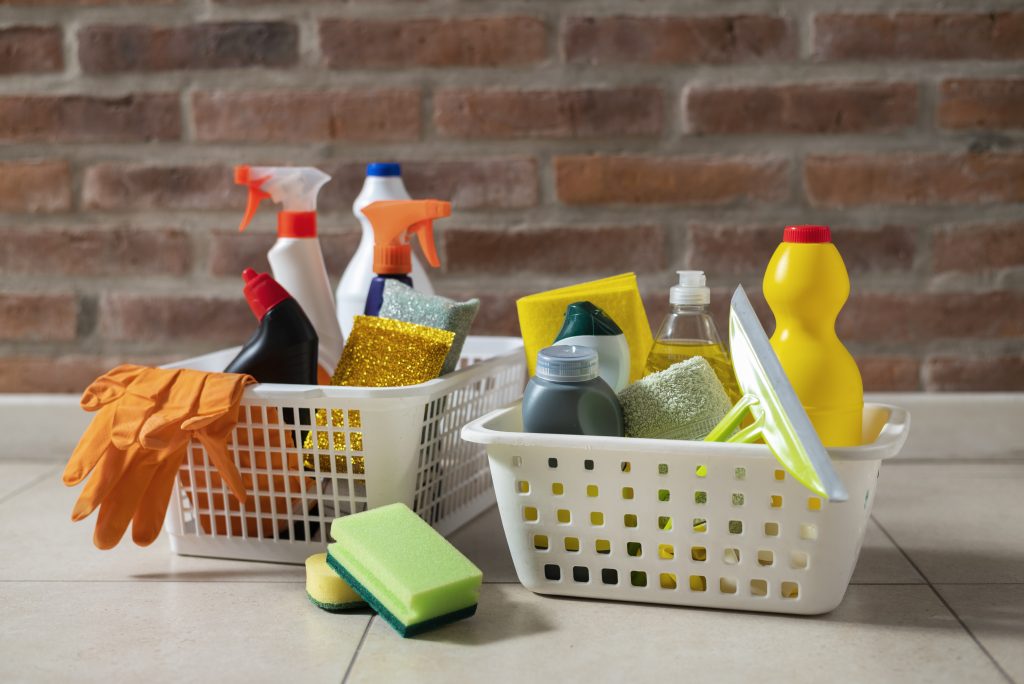
The performance of any commercial cleaning program is determined primarily by two factors: the training and technique of the people doing the work, and the quality and suitability of the products they are using. Even the most diligent cleaning crew will underperform if armed with products that are incorrectly formulated for the surfaces and soiling they encounter. Conversely, selecting the right range of cleaning and janitorial products enables skilled cleaners to work faster, achieve better results, protect surface finishes, and maintain hygiene standards that satisfy both regulatory requirements and occupant expectations.
Product selection is a discipline that extends well beyond purchasing decisions. It encompasses chemistry matching, dilution management, surface compatibility verification, environmental compliance, staff training, and inventory control. Facilities that approach this holistically consistently achieve lower total cleaning costs, longer surface lifespans, and higher occupant satisfaction scores than those that select products on unit price alone.
Understanding Cleaning Chemistry: The Science Behind the Label
Every cleaning product works through specific chemical actions. Surfactants, found in most general cleaners and degreasers, reduce water’s surface tension so it can break down and remove grease and dirt. The type and concentration of surfactant affect how well the product cleans and how easily it rinses without leaving residue.
Disinfectants serve a different purpose. They are designed to kill bacteria, viruses, and fungi rather than remove dirt. For them to work effectively, the surface must be clean and the product must remain on the surface for the required contact time. Wiping it off too quickly reduces its effectiveness.
Specialist products are used for more specific tasks. Descalers remove mineral deposits using acidic formulas, enzymatic cleaners break down organic matter, and neutral pH cleaners protect delicate surfaces. Choosing the right product for the job helps ensure effective cleaning and prevents surface damage.
Surface Compatibility: Protecting Your Facility’s Investments
Commercial facilities contain many surface types, each with different cleaning requirements. Natural stone such as marble and limestone is highly sensitive to acid, which can permanently damage the surface. Products safe for tiles can quickly ruin stone, so pH neutral cleaners and stone specific treatments are essential.
Stainless steel, commonly used in food service and healthcare, requires non abrasive and streak free cleaners applied along the grain. Cleaners containing chloride can cause corrosion over time. Glass surfaces need alcohol or ammonia based products that dry without leaving marks.
Other materials like rubber flooring, vinyl tiles, polished concrete, and timber also require the right chemical match. Creating a clear surface map and matching each area with suitable cleaning products helps prevent damage and ensures consistent, effective maintenance.
Green Cleaning: Environmental Responsibility Meets Performance
Green cleaning has improved significantly in recent years. Earlier products often lacked performance, but modern formulations using plant based surfactants, enzymes, and bio based solvents now deliver results equal to or better than traditional chemicals.
For facilities aiming for green building certifications such as the Green Building Index, using environmentally certified cleaning products can support requirements related to indoor air quality and chemical safety. These products are designed with lower environmental impact, including reduced VOC levels and better biodegradability.
Beyond certification, green cleaning offers practical benefits. Low VOC products reduce strong odours and improve comfort, while concentrated formulas help cut down on waste and storage needs. Safer formulations also reduce health risks for cleaning staff and support a more sustainable operation.
Dispensing Systems, Dilution Control, and Waste Reduction
Chemical dilution is a common area where costs are lost in commercial cleaning. If a product meant to be diluted at 1:50 is mixed at 1:30, it uses over 40% more chemical than needed. Across a large facility, this leads to significant unnecessary spending.
Proportioning dispensing systems solve this problem by automatically mixing the correct ratio of concentrate and water. This ensures consistent use regardless of who is handling the product. Although there is an upfront cost, the savings from reduced chemical waste usually recover the investment within six to twelve months, along with added benefits like improved safety and fewer mixing errors.
Inventory Management Across Multi-Site Facilities
Centralizing janitorial supply procurement through a single category supplier simplifies reordering, enables volume pricing negotiations, and ensures product consistency across sites. When every facility in a portfolio uses the same product range, training materials are transferable, quality outcomes are predictable, and bulk purchasing leverage is maximized. Quarterly usage audits against staffed area and visit frequency identify sites where consumption is anomalous — either signaling waste, incorrect dilution, or genuinely different soiling conditions that may require a product specification review.
Frequently Asked Questions
Q: What cleaning products are essential for commercial facilities?
A: Essential commercial cleaning products include multi-surface neutral cleaners, washroom disinfectants, glass cleaners, floor care systems matched to the floor type, industrial degreasers for kitchen and workshop areas, odour control products, and microfibre mopping and wiping systems that deliver better hygiene outcomes with lower chemical use than traditional cotton alternatives.
Q: How do I choose eco-friendly janitorial products that still perform?
A: Look for products carrying internationally recognised environmental certifications. Confirm that surfactants and active ingredients are readily biodegradable. Check VOC content against indoor environmental quality benchmarks. Request product demonstration in your actual facility before committing to a full program switch — modern green formulations should match conventional performance across routine commercial cleaning applications.
Q: How can I reduce chemical costs without compromising cleaning quality?
A: Install proportioning dispensing systems that eliminate dilution variability. Rationalise your product range — fewer products used correctly outperform a proliferation of single-use speciality items. Train staff on correct dwell times and application methods, which often allow reduction in product concentration without sacrificing results. Conduct regular usage audits to identify waste hotspots early.