Running a small business in Malaysia comes with its own set of challenges. From managing staff and customers to keeping costs under control, there is already a lot on your plate. The last thing you need is an unexpected power outage wiping out hours of work, corrupting important files, or shutting down your operations in the middle of a busy day.
Right Power has been helping businesses across Malaysia find the right power protection solutions for years, and the question they hear most often from small business owners is simple: where do I even start?
This guide is written to answer exactly that.
Why Small Businesses in Malaysia Need a UPS
Malaysia experiences power interruptions more frequently than many business owners realise. Whether it is a sudden thunderstorm, a trip in the TNB grid, or a voltage fluctuation from nearby construction, these disruptions can cause real damage to a small business.
Here is what can happen without a UPS in place:
Unsaved work on computers is permanently lost. Servers crash and take time to restart, causing delays. Point of sale systems go offline, meaning you cannot process transactions. Network equipment restarts, cutting off internet and communications. Electronic equipment is damaged by power surges, leading to costly replacements.
For a large corporation, these problems are inconvenient. For a small business with limited resources and a tight budget, they can be devastating. A UPS gives you the time and protection needed to manage power disruptions properly, whether that means saving your work, shutting down gracefully, or switching over to a generator.
What to Consider Before Buying a UPS for Your Small Business
There are several important factors to think about before you make a purchase. Getting this right from the beginning will save you money and frustration later.
Understand Your Power Load
The first step is knowing how much power your equipment actually consumes. Add up the wattage of all the devices you want to protect, including computers, monitors, modems, routers, printers, and any other essential equipment. This total gives you a baseline for the size of UPS you need. Always choose a UPS with a capacity slightly higher than your total load to give yourself a safe buffer.
Decide How Long You Need Backup Power
Different businesses have different needs. A small retail shop may only need a few minutes of backup time to save transactions and shut down safely. An accounting firm handling client data may need longer runtime to complete work or wait for a generator to kick in. Think about what your business actually needs during a power cut before choosing a UPS with a specific battery capacity.
Choose the Right Type of UPS
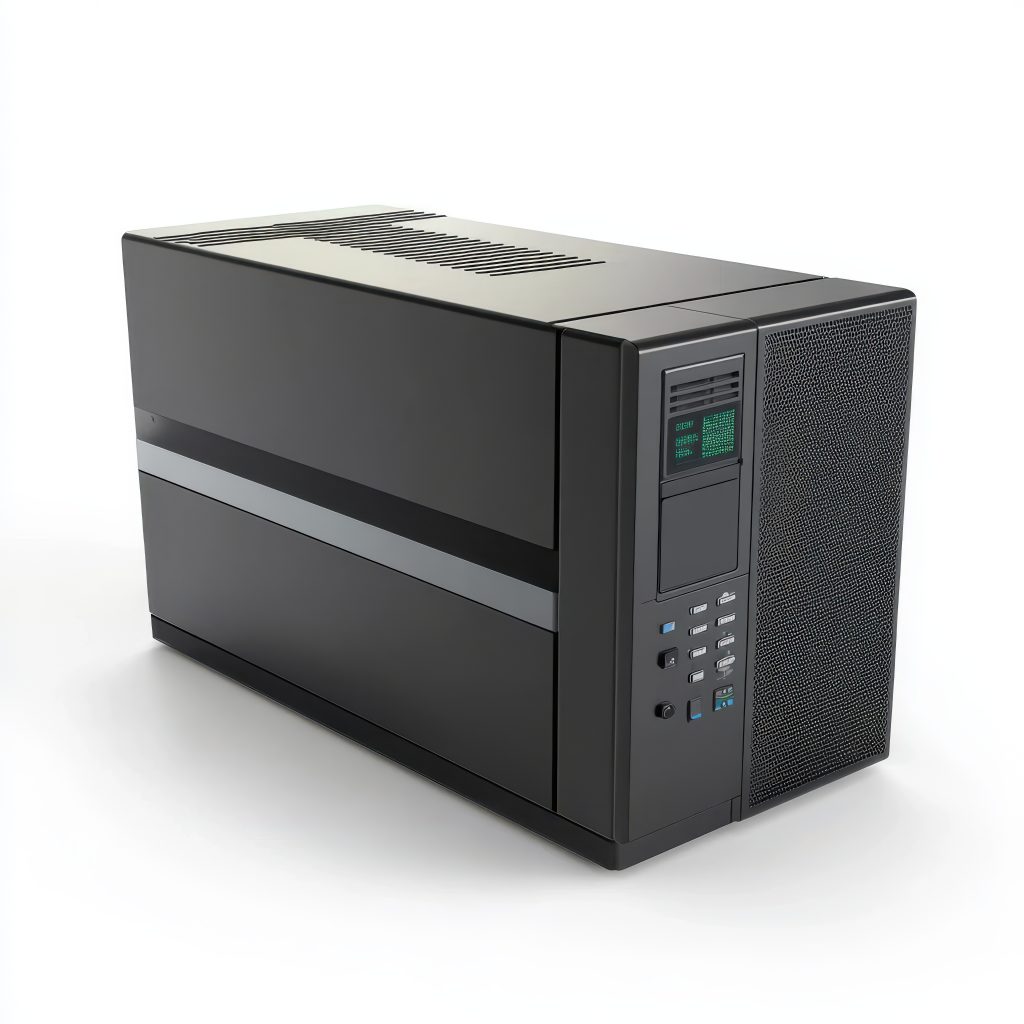
There are three main types of UPS systems available. An offline or standby UPS is the most affordable option and works well for basic protection in low-risk environments. A line-interactive UPS offers better voltage regulation and is suitable for most small business needs. An online or double conversion UPS provides the highest level of protection and is best for businesses running servers or sensitive equipment that cannot tolerate any power fluctuation at all.
For most small businesses in Malaysia, a line-interactive UPS offers the best balance between cost and protection.
Think About Scalability
Your business may be small today, but what about in two or three years? If you plan to grow, consider whether the UPS you buy can be expanded or upgraded. Some UPS systems allow you to add external battery packs to extend runtime, which is useful as your equipment needs grow over time.
Look at Battery Type
Traditional UPS systems use lead-acid batteries, which are affordable but heavier and require more maintenance. Newer models use lithium-ion batteries, which are lighter, charge faster, last longer, and take up less space. For small businesses with limited room and budget for maintenance, a lithium-ion UPS is often worth the slightly higher upfront cost.
Check for Warranty and Local Support
This is a point many buyers overlook. Make sure the UPS brand you choose has local support in Malaysia. If your unit develops a fault, you want to be able to reach someone quickly and get a replacement or repair without waiting weeks for parts from overseas. Always check the warranty terms and whether the supplier has a service centre or support team based locally.
How Many UPS Units Do You Need?
This depends on your setup. Some small businesses prefer one central UPS that covers all their equipment. Others choose to protect individual workstations or departments separately. There is no single right answer, but a general rule is to prioritise the equipment that would cause the most disruption or data loss if it lost power suddenly. That usually means your server, main computer, network equipment, and point of sale system.
Common Mistakes Small Business Owners Make When Buying a UPS
Buying a UPS that is too small for the actual power load. Forgetting to account for future equipment additions. Ignoring battery replacement schedules, which reduces backup time over time. Choosing a cheap, unknown brand without local support or warranty. Using a UPS meant for home use in a commercial environment where the load is much higher.
Avoiding these mistakes from the start will help you get the most value out of your investment.
Final Thoughts
For small businesses in Malaysia, a UPS is a practical and necessary tool that protects your equipment, your data, and your daily operations from the unpredictable nature of power supply.
Before you buy, take the time to assess your power needs, understand the different types available, and choose a solution that matches both your current situation and your future plans.
Right Power offers a wide range of UPS systems designed for businesses of all sizes across Malaysia. Whether you are just starting out or looking to upgrade your existing setup, their team can help you find the right solution that fits your needs and your budget. Protecting your business from power disruptions starts with making the right choice today.
Find more about: