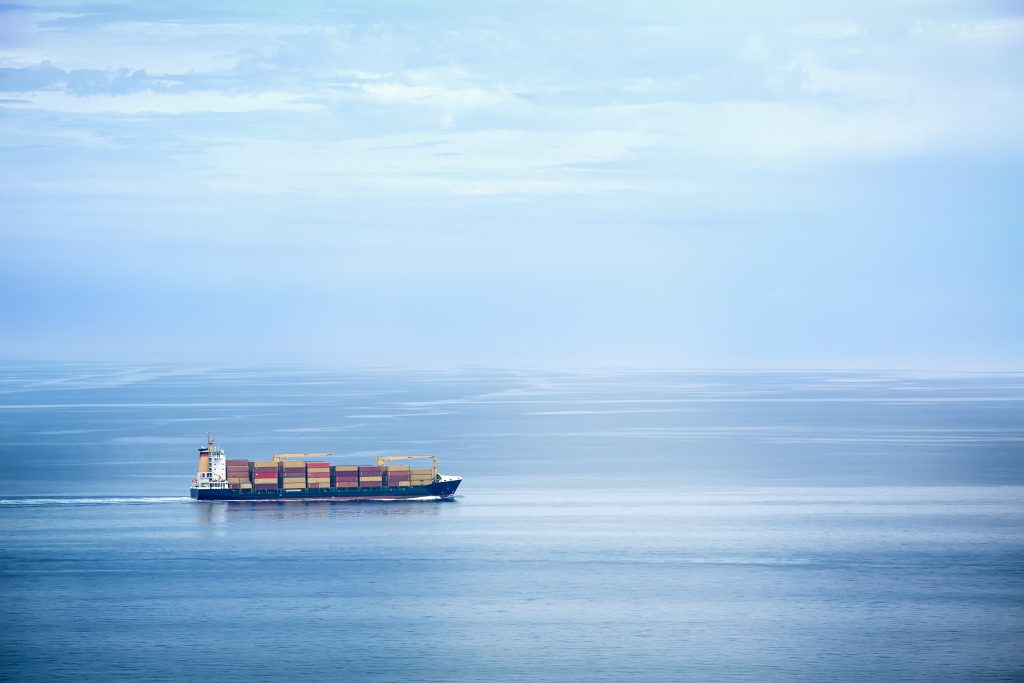
Sea freight is a vital part of Malaysia’s import-export economy. It offers a cost-effective solution for transporting large volumes of goods. Strategically located in Southeast Asia, Malaysia is an ideal hub for sea freight. Its well-established ports and modern facilities support a wide range of shipping needs.
Choosing sea freight Malaysia comes with numerous benefits. These include the ability to ship bulky, heavy, or hazardous materials that may not be suitable for air freight. Sea freight also provides a secure mode of transportation. Advanced tracking systems allow for real-time monitoring of cargo.
Moreover, sea freight services in Malaysia are scalable. They can accommodate everything from small shipments to full container loads.
In this article, we will explore these benefits in detail. We aim to provide valuable insights for business owners, logistics managers, and anyone considering sea freight as a shipping option in Malaysia.
Cost-Effectiveness of Sea Freight
Sea freight stands out as a cost-effective transportation option for Malaysian businesses. When moving large volumes of goods, it significantly reduces expenses compared to air freight. Bulk shipping allows for economies of scale, making it an attractive choice for cost-conscious companies.
Key cost-saving features of sea freight include:
- Lower cost per unit, especially for large quantities.
- Opportunity for consolidated shipments, reducing expenses further.
- Reduced fuel surcharges compared to air and road freight.
These financial benefits make sea freight a favorite for businesses engaged in import-export activities in Malaysia. By leveraging these savings, companies can enhance their competitive edge in the global market.
Strategic Location of Malaysia for Sea Freight
Malaysia boasts a strategic geographic location at the heart of Southeast Asia. It serves as a vital maritime hub, connecting major global shipping routes. This advantageous position allows for the efficient distribution of goods to various international destinations.
Its proximity to trading powerhouses like China, India, and ASEAN countries enhances its significance. Malaysia’s ports, such as Port Klang and Tanjung Pelepas, are crucial for import-export activities. These ports facilitate swift access to nearby major markets and reduce transit times. As a result, Malaysia strengthens its role in regional and global trade networks.
Environmental Benefits of Sea Freight
Choosing sea freight Malaysia contributes to environmental sustainability. Sea transport generates a lower carbon footprint compared to air and road options. This makes it a more eco-friendly choice for shipping goods globally.
Several factors highlight the environmental advantages of sea freight:
- Reduced greenhouse gas emissions per ton of cargo
- Energy-efficient transportation over long distances
- Lower fuel consumption compared to other transport modes
By opting for sea freight, businesses play a part in minimizing ecological impact. This approach aligns with global efforts to reduce pollution and promote greener shipping practices. Supporting sustainable logistics ensures a healthier environment for future generations.
Variety of Container Options
Sea freight in Malaysia offers diverse container choices to accommodate various shipping needs. Different cargo types require specific containers, making versatility crucial. From standard to specialized containers, options are plentiful.
These include open-top containers for oversized cargo and refrigerated containers for perishables. Each type ensures safe and suitable transportation of goods. Businesses can customize shipping solutions based on their products’ requirements. This flexibility helps cater to a wide range of industry needs, enhancing logistics efficiency. Whether you’re shipping bulk goods or sensitive items, the right container solution is available.
Advanced Infrastructure and Port Facilities
Malaysia’s ports boast advanced infrastructure, making them crucial for sea freight operations. These facilities support efficient handling and swift turnaround. State-of-the-art equipment and technology enhance operational efficiency at major ports.
Modern port facilities ensure seamless loading, unloading, and storage of goods. This infrastructure reduces delays and boosts shipping reliability. Ports are well-equipped to manage high volumes, accommodating Malaysia’s growing trade demands. Such investment in infrastructure positions Malaysia as a vital hub in global logistics. Efficient port operations contribute significantly to the success of import-export Malaysia, facilitating smooth trade flows.
Shipping Bulky, Heavy, or Hazardous Materials
Sea freight is ideal for transporting bulky and heavy items. It accommodates weights and sizes that air freight cannot manage. This makes it perfect for industries needing to move machinery or large equipment.
Transporting hazardous materials is another advantage of sea freight. These goods require special handling, which shipping Malaysia can provide. Specialized containers and trained personnel ensure safe transport of such materials, adhering to strict regulations and safety standards.
Security and Tracking in Sea Freight
Sea freight offers a high level of security for transported goods. Containers are sealed and locked to prevent unauthorized access, ensuring the safety of your cargo.
Tracking advancements have greatly benefited sea freight, providing real-time updates on shipment location and status. This enhanced visibility helps businesses monitor their consignments, improving logistics Malaysia operations by allowing proactive decision-making and planning.
Scalability and Flexibility of Services
Sea freight in Malaysia adapts to various business needs. Whether handling small shipments or full container loads, services can be tailored to fit demand.
This flexibility extends to various industries, ensuring efficient transport solutions. Businesses benefit from a range of options, allowing them to adjust shipping plans and scale operations seamlessly as required.
Expertise of Freight Forwarding Malaysia
Malaysia boasts a network of knowledgeable freight forwarders. These experts streamline sea freight operations through proficient management of logistics and customs processes.
Their experience ensures smooth, efficient shipping, helping businesses navigate complex regulations. By leveraging this expertise, importers and exporters can focus on core activities, knowing their goods are in capable hands.
Reliable Scheduling and Fixed Timelines
Choosing sea freight in Malaysia provides businesses with dependable schedules. With fixed departure and arrival times, companies can plan their logistics operations confidently.
This reliability ensures that supply chains remain efficient, minimizing potential disruptions. Consistent timelines mean businesses can meet customer demands and manage inventory effectively, reinforcing trust with their clients.
Cost Savings with Consolidated Shipments
Sea freight offers significant cost savings through consolidated shipments. By combining multiple shipments into a single container, businesses benefit from reduced transportation costs.
This method, known as less-than-container load (LCL), allows companies to optimize expenses without compromising on delivery schedules. It is an ideal solution for businesses with smaller cargo volumes, enhancing their competitiveness in the market.
Global Connectivity and Trade Agreements
Malaysia’s strategic position offers extensive global connectivity through sea freight. Its ports connect with major global markets, providing access to a vast network of shipping routes. This connectivity ensures seamless international trade operations and efficient market reach.
In addition, Malaysia benefits from numerous Free Trade Agreements (FTAs) that facilitate smoother trade flows. These agreements reduce tariffs and simplify customs procedures, enhancing the appeal of using sea freight. Leveraging these agreements allows businesses to improve their competitive edge in the international market by optimizing costs and improving supply chain efficiency.
Conclusion: Why Sea Freight is Essential for Malaysia’s Economy
Sea freight plays a crucial role in strengthening Malaysia’s economic foundation. It supports the country’s import-export activities, thus boosting trade relationships globally. The thriving sea freight sector contributes significantly to Malaysia’s GDP.
In Conclusion, De Hubs provides excellent sea freight services throughout Malaysia, catering to both FCL and LCL shipments. Their offerings are dependable and budget-friendly. Committed to delivering adaptable solutions tailored to your requirements, De Hubs manages your cargo with utmost attention, ensuring smooth customs clearance and timely delivery. If you seek a reliable freight forwarding Malaysia partner, De Hubs is the ideal choice to enhance your global supply chain processes. Explore De Hubs today and learn how our proficiency in sea freight can contribute to the growth of your business.
Additionally, sea freight strengthens Malaysia’s role as a top logistics center in Southeast Asia. Its scalability and flexibility help businesses of all sizes streamline their supply chains effectively. With continuous improvements and infrastructure development, sea freight in Malaysia remains indispensable for economic growth and trade progression. By capitalizing on this mode of transport, Malaysia can expect sustained economic advancements.