When it comes to securing a property, choosing the right type of fencing is crucial. Whether for residential, commercial, or industrial use, the right fencing can provide safety, prevent intruders, and offer peace of mind. Among the many options available, anti-climb fencing has become a popular choice due to its strong design and enhanced security features. Unlike traditional fencing, which may be easy to climb or cut through, anti-climb fencing is designed to prevent unauthorised access.
For those looking for high-quality anti-climb fencing, W&C Engineering offers top notch solutions that are durable, reliable, and built to last. But how does it compare to traditional fencing? Let’s explore the differences to help you decide which one is better for your needs.
What is Anti-Climb Fencing?
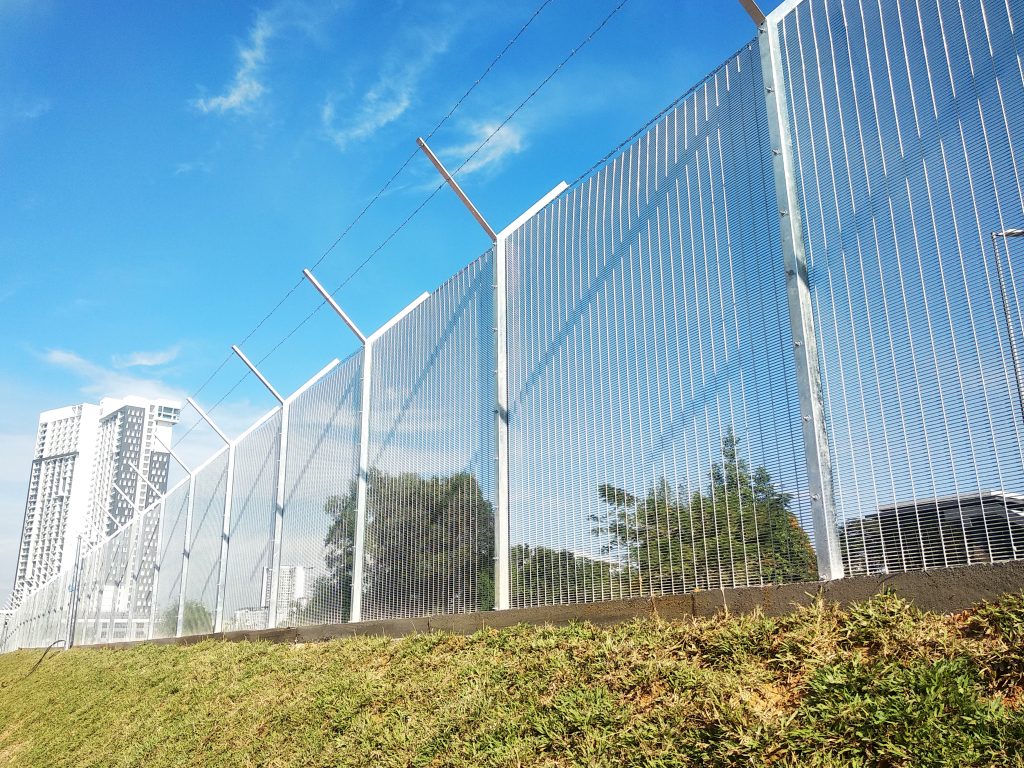
Anti-climb fencing is a security fencing system specifically designed to make it difficult for intruders to scale, cut, or penetrate. It is usually made from galvanised steel wire mesh with a solid pattern, making it hard to grip or use tools to break through. This type of fencing is commonly used in high security areas such as airports, factories, warehouses, military bases, and residential properties that require extra protection.
What is Traditional Fencing?
Traditional fencing includes various styles such as chain-link fences, wooden fences, and metal railings. While these fences can offer a level of security and privacy, they are not always designed to prevent climbing or cutting. Many traditional fencing options can be easily bypassed using basic tools or by simply climbing over them.
Key Differences Between Anti-Climb Fencing and Traditional Fencing
1. Security Level
- Anti-Climb Fencing: Offers superior security due to its closely spaced mesh design, which prevents climbing and cutting. It is ideal for properties that need high levels of protection.
- Traditional Fencing: Provides basic security but can be easily climbed or breached, making it less effective against determined intruders.
2. Durability and Strength
- Anti-Climb Fencing: Made from strong, galvanised or coated steel, ensuring it is resistant to rust, corrosion, and weather conditions. It lasts for years with minimal maintenance.
- Traditional Fencing: The durability depends on the material. Wooden fences can rot over time, chain-link fences can rust, and metal railings may weaken if not maintained properly.
3. Cost-Effectiveness
- Anti-Climb Fencing: May have a higher initial cost, but its durability and low maintenance make it a cost-effective option in the long run.
- Traditional Fencing: Often cheaper upfront but may require frequent repairs, repainting, or replacement over time, increasing long-term costs.
4. Aesthetic Appeal
- Anti-Climb Fencing: Has a modern and sleek design that blends well with various environments, from industrial areas to residential properties.
- Traditional Fencing: Comes in different designs, offering more aesthetic flexibility for homeowners looking for decorative fencing options.
5. Ease of Installation
- Anti-Climb Fencing: Requires professional installation due to its complex design and security features, ensuring a firm and secure setup.
- Traditional Fencing: Easier to install, especially for wooden or chain-link options, but may not provide the same level of security.
6. Maintenance Requirements
- Anti-Climb Fencing: Requires little to no maintenance due to its robust construction and corrosion-resistant materials.
- Traditional Fencing: Needs regular maintenance such as painting, sealing, or fixing broken parts, depending on the material.
Benefits of Choosing Anti-Climb Fencing Over Traditional Fencing
- Maximum Security: Its design makes it nearly impossible for intruders to climb, cut, or damage.
- Longevity: With galvanised steel construction, it withstands harsh weather and remains strong for years.
- Minimal Maintenance: Unlike wooden or chain-link fences, it does not require frequent repairs or replacements.
- Cost Savings Over Time: While the initial investment is higher, the durability and security benefits make it worth the price.
- Versatile Applications: Suitable for residential, commercial, and high-security areas, ensuring protection for various properties.
When is Traditional Fencing a Better Option?
Although anti-climb fencing is a superior security solution, traditional fencing may still be a suitable choice in certain situations:
- For Decorative Purposes: If aesthetics are a priority, traditional wooden or ornamental metal fences may be preferred.
- For Low-Risk Areas: If the property does not require high security, a simple chain-link or wooden fence may be sufficient.
- For Budget Constraints: If cost is a major factor, traditional fencing offers a more affordable option upfront.
Why Choose W&C Engineering for Your Anti-Climb Fencing?
If you are looking for a trusted provider of high-quality anti-climb fencing, W&C Engineering is the best choice. They offer durable, high-security fencing solutions that are built to withstand harsh conditions and prevent unauthorised access. Whether you need fencing for a residential, commercial, or industrial property, their expertise ensures you get the best protection for your needs.
Conclusion
When comparing anti-climb fencing to traditional fencing, it is clear that anti-climb fencing provides superior security, durability, and long-term value. While traditional fencing may be suitable for decorative or low-security purposes, it does not match the strength and reliability of anti-climb fencing. Investing in a high-quality solution from W&C Engineering ensures that your property remains secure, giving you peace of mind for years to come.
If security is your priority, anti-climb fencing is undoubtedly the better choice. Contact W&C Engineering today to find the perfect fencing solution for your property.
Find more about Anti Climb Fence: Modern Solution for Superior Perimeter Protection.