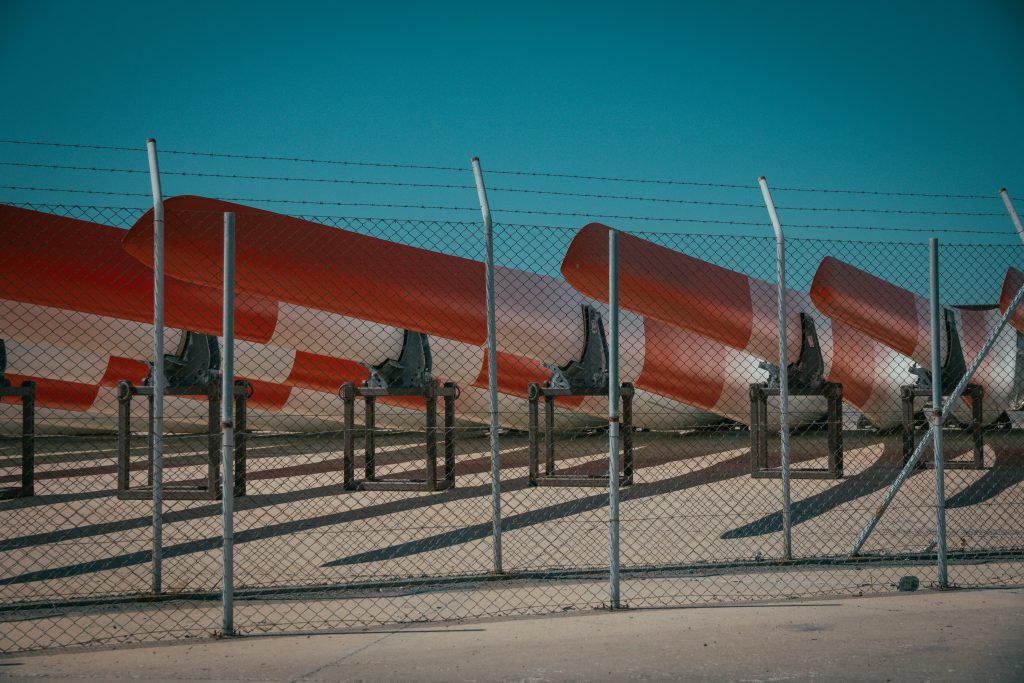
Anti-climb fencing is a crucial component in securing properties across Malaysia. It serves as a deterrent against unauthorized access, offering peace of mind to property owners.
Choosing the right material for your climb-resistant fence is essential. Each material offers unique benefits and challenges, impacting security and maintenance.
In Malaysia, the climate plays a significant role in material selection. Humidity and rainfall can affect the durability and longevity of fencing materials.
This guide will explore various anti-climb fencing options available in Malaysia. We will compare their features, benefits, and suitability for different applications.
Whether for residential, commercial, or industrial use, understanding these options will help you make an informed decision.
What Is Anti-Climb Fencing?
Anti-climb fencing is a security solution designed to prevent unauthorized climbing attempts. It features specific designs that deter intruders from scaling its surface.
These fences are characterized by their robust materials and strategic construction. They often have narrow gaps, making it challenging for climbers to find footholds or grip.
Key aspects of anti-climb fences include:
- Narrow gaps and sharp edges
- Durable materials like steel and wire mesh
- Height and secure installation
These features make anti-climb fences ideal for protecting sensitive areas and ensuring property security. They are commonly used in high-security applications, such as government facilities and industrial sites.
Key Features of Climb-Resistant Fences
Climb-resistant fences have unique features that set them apart from standard fences. They are designed to maximize security and minimize unauthorized access.
A few common features include sharp edges, narrow spacing, and high density. These features help deter and prevent climbing by removing easy gripping points.
Essential characteristics of climb-resistant fences are:
- Sharp spikes or barbs
- High tensile strength
- Seamless design with minimal gaps
These key features ensure the effectiveness of climb-resistant fences in various settings, protecting both commercial and residential properties.
Common Anti-Climb Fencing Materials in Malaysia
In Malaysia, various materials are used for anti-climb fencing, each offering unique advantages. The choice of material depends on factors like durability, cost, and environmental conditions.
Popular materials in the region include:
- Steel
- Aluminum
- Wire mesh
These materials cater to different needs, from residential areas to high-security zones. Understanding their properties helps in selecting the best option for specific applications.
Steel Anti-Climb Fences
Steel fences are renowned for their strength and durability, making them ideal for high-security areas in Malaysia. They can withstand significant force and are difficult to tamper with or cut.
Steel fences have long lifespans but may require periodic maintenance to prevent rust. This includes painting and inspections, especially in humid or coastal areas.
Key benefits of steel anti-climb fences:
- Exceptional strength and durability
- Suitable for industrial and high-security sites
- Can be enhanced with additional security features
These characteristics make steel fences a preferred choice for securing valuable assets and protecting property perimeters.
Aluminum Anti-Climb Fences
Aluminum fences are lightweight yet robust, providing an excellent option for environments where corrosion resistance is crucial. They are particularly well-suited for coastal regions in Malaysia due to their resistance to rust.
Despite their lightweight nature, aluminum fences deliver reliable security. They offer versatility in design and require minimal maintenance over time.
Advantages of aluminum anti-climb fences include:
- Corrosion-resistant, ideal for humid climates
- Lightweight for easy installation
- Attractive appearance with customizable designs
These features make aluminum fences popular in both residential and commercial settings, where aesthetics and longevity are important.
Wire Mesh Anti-Climb Fences
Wire mesh fences offer a practical blend of security and visibility, making them suitable for various applications in Malaysia. The design allows clear views, enhancing surveillance while preventing unauthorized access.
These fences are cost-effective and commonly used in commercial and residential properties. They do require some maintenance to ensure longevity and effectiveness.
Features of wire mesh anti-climb fences:
- High visibility for surveillance
- Affordable and versatile
- Easy to install and maintain
Wire mesh fences strike a balance between security and practicality, offering a reliable option for many property owners.
Comparing Durability and Maintenance
When comparing durability, steel tends to last the longest but requires more maintenance, like painting, to prevent rust. Aluminum stands up well in harsh conditions, needing very little upkeep.
Wire mesh, though not as strong, still offers decent durability with minimal maintenance demands. Each material’s longevity is influenced by environmental factors and proper care.
Key considerations:
- Steel: durable but maintenance-heavy
- Aluminum: low maintenance, rust-resistant
- Wire Mesh: moderate durability, affordable upkeep
Choosing the right material involves weighing these factors according to specific needs and environmental conditions.
Cost Considerations for Anti-Climb Fencing in Malaysia
Understanding costs is crucial when selecting anti-climb fencing materials. Each option varies significantly in price and value.
Steel fences generally carry higher upfront costs due to material and installation complexity. Aluminum is a mid-range option, balancing cost with low maintenance. Wire mesh offers an affordable solution for those on a tighter budget.
Cost factors to consider:
- Steel: high upfront cost, robust
- Aluminum: medium cost, low maintenance
- Wire Mesh: budget-friendly, less durable
Evaluating these options helps in choosing a financially sound fencing solution without compromising security.
Suitability for Different Applications
Each anti-climb fencing material meets diverse needs across sectors. It’s important to select based on specific requirements.
Choosing the right material can involve several factors:
- Steel: ideal for high-security areas like industrial sites
- Aluminum: suitable for coastal and residential zones
- Wire Mesh: versatile for commercial properties and schools
Understanding the application helps in ensuring maximum effectiveness. Different environments may demand tailored solutions.
Enhancing Security: Add-Ons and Integration
Anti-climb fences can be customized to enhance security further. Adding features ensures robust protection for properties.
Consider integrating these options:
- Barbed wire for added deterrence
- Electric fencing to prevent breaches
- Surveillance systems to monitor activity
Such add-ons not only deter but also detect potential intrusions. Integrating these features boosts overall security performance, offering peace of mind.
Environmental and Aesthetic Factors
Environmental considerations are vital when selecting fencing materials. Some materials blend seamlessly with natural surroundings. Others may stand out less favorably.
Explore these aspects:
- Sustainability of materials
- Compatibility with landscape design
- Range of available colors and textures
Aesthetics contribute to property value and appeal. Choosing an attractive fence enhances your space while maintaining strong security.
Choosing the Right Anti-Climb Fence: Tips for Malaysians
Selecting the right anti-climb fence in Malaysia requires careful thought. Consider these tips for an informed choice:
- Evaluate local weather conditions
- Assess the level of security needed
- Consult a fencing professional
Conclusion
Anti-climb fencing plays a vital role in securing properties across Malaysia. Choosing the right material—whether steel, aluminum, or wire mesh—can enhance security and peace of mind.
Consider your specific needs, environment, and budget when selecting a fence. The right choice not only protects but also complements your property’s aesthetics.