Navigating the world of sea shipping can be a complex task. Understanding the process is crucial for businesses and individuals involved in global trade. This guide aims to simplify sea freight Malaysia shipping. It provides a step-by-step approach to ensure a smooth experience.
From choosing the right shipping service to tracking your shipment, we’ve got you covered. Whether you’re a logistics manager, a business owner, or new to freight shipping, this guide is for you. Let’s dive into the world of sea freight shipping and make it a seamless journey.
Understanding Sea Freight Transport
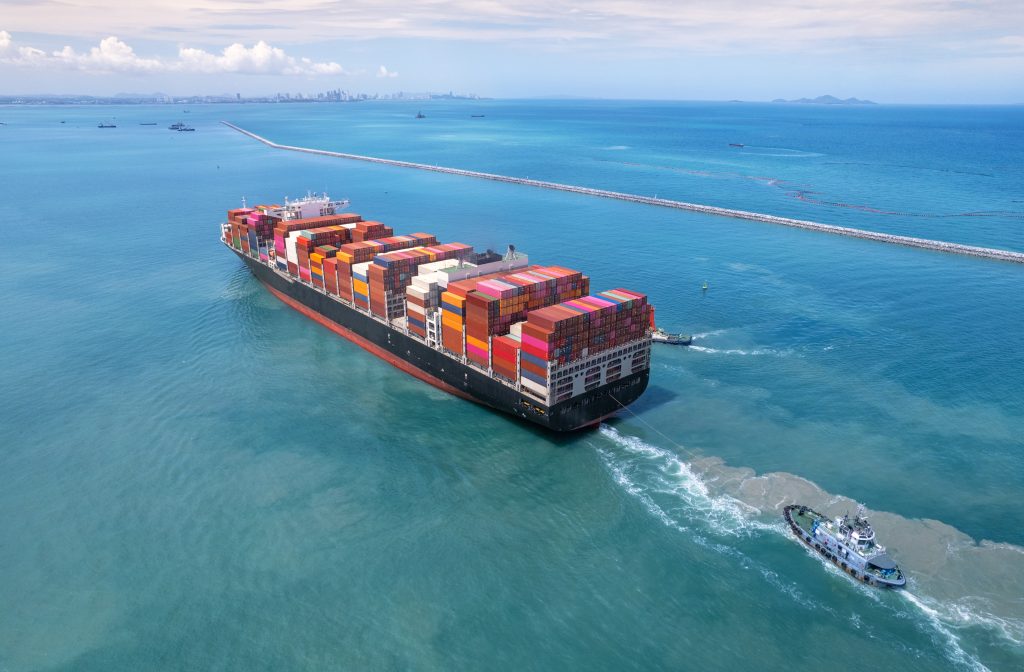
Sea freight shipping is a key player in global trade. It involves transporting goods via sea routes in large containers. This method is favored for its cost-effectiveness, especially for heavy or bulky items. Understanding its basics is the first step towards a seamless shipping experience.
The Role of Freight Forwarding
Freight forwarders play a crucial role in sea freight shipping. They help connect shippers and transport services, making logistics easier. Their expertise in handling documentation, customs clearance, and shipping regulations can save shippers time and prevent costly mistakes. Working with a reliable freight forwarder can make the shipping process smoother and more efficient.
Step 1: Choosing the Right Shipping Service
Choosing the right shipping service is a critical first step in sea freight shipping. This decision largely depends on the volume of your cargo and your budget.
There are two main types of sea freight services:
- Full Container Load (FCL): This is ideal for large shipments as you pay for and use an entire container. It offers more control over the packing and sealing of your goods.
- Less than Container Load (LCL): This is a cost-effective option for smaller shipments. Your goods share a container with other shippers’ items, which can lead to longer transit times due to multiple stops.
Step 2: Selecting a Freight Forwarder
Selecting a reliable freight forwarder is crucial for a seamless sea freight shipping experience. A freight forwarder acts as an intermediary between you and the shipping company, handling all the complex logistics and paperwork.
De Hubs provides exceptional sea freight services throughout Malaysia, catering to a wide range of shipping needs. Their offerings include both Full Container Load (FCL) and Less than Container Load (LCL) options for maximum flexibility.
When choosing a freight forwarder, consider their experience, network, and customer service. They should have a good understanding of international shipping regulations and be able to provide clear and timely communication. Remember, a good freight forwarder can make the difference between a smooth shipping process and a logistical nightmare.
Step 3: Preparing Your Documentation
Proper documentation is a critical part of sea freight shipping. It ensures your goods reach their destination without any legal or customs issues. The documents you’ll need may vary depending on the nature of your goods and the destination country.
Here are some of the most common documents required in sea freight shipping:
- Bill of Lading (BOL): This is the contract between the shipper and the carrier. It serves as a receipt for the goods and evidence of the contract of carriage.
- Commercial Invoice: This document details the transaction between the buyer and the seller. It includes information about the goods, the buyer, the seller, and the terms of sale.
- Packing List: This document provides detailed information about the cargo, including the type, quantity, and weight of the goods.
Ensure all your documents are accurate and complete. Any errors or omissions can lead to delays and additional costs.
Step 4: Packing and Labeling
Packing your goods properly is crucial for their safety during transit. The packing should be sturdy enough to withstand the rigors of sea freight shipping. It’s also important to consider the nature of your goods when packing. For instance, fragile items need extra protection, while perishable goods may require temperature-controlled containers.
Labeling is equally important in sea freight shipping. Each package should be clearly labeled with the necessary information, such as the shipper’s and consignee’s details, port of destination, package count, and any special handling instructions. Proper labeling helps ensure your goods are handled correctly and reach their intended destination.
Step 5: Insuring Your Cargo
Insurance is a key aspect of sea freight shipping. It provides protection against potential losses or damages to your goods during transit. While carriers do offer some level of liability coverage, it’s often limited and may not fully cover the value of your goods.
Therefore, it’s advisable to get a separate cargo insurance policy. This can be arranged through your freight forwarder or an independent insurance company. The cost of insurance will depend on various factors, including the value of your goods, the shipping route, and the nature of the goods being shipped.
Step 6: Complying with Regulations
Compliance with international shipping regulations is crucial in sea freight shipping. These regulations are designed to ensure safety, protect the environment, and maintain fair trade practices. They include customs regulations, hazardous materials regulations, and security regulations, among others.
Non-compliance can result in delays, fines, or even seizure of your goods. Therefore, it’s important to understand and adhere to all relevant regulations. Your freight forwarder can provide guidance on this, but it’s ultimately your responsibility to ensure compliance.
Step 7: Tracking Your Shipment
Once your shipment is on its way, you’ll want to keep track of its progress. Most freight forwarders and shipping companies offer tracking services. These services allow you to monitor your shipment in real-time, providing peace of mind and enabling you to plan accordingly.
Remember, delays can occur due to weather conditions, port congestion, or customs inspections. Regular tracking helps you stay informed and respond quickly to any changes. It’s another key step towards a seamless sea freight shipping experience.
Step 8: Final Delivery Arrangements
As your shipment nears its destination, you’ll need to arrange for its final delivery. This involves coordinating with the destination port and arranging for local transport. It’s crucial to have a reliable partner at the destination to ensure a smooth handover.
Remember, the final delivery arrangements are just as important as the initial shipping process. Proper planning and coordination can help avoid delays and additional costs. This is the final step in ensuring a seamless sea freight shipping experience.
Conclusion and Key Takeaways
Sea freight shipping can seem complex, but with the right knowledge and planning, it can be a smooth process. This guide provides a step-by-step approach to help you navigate the complexities of ocean freight.
In conclusion, De Hubs offers great sea freight services in Malaysia. This applies to both FCL and LCL. Their services are reliable and affordable. are both reliable and cost-effective. De Hubs is dedicated to offering flexible solutions that meet your needs. We handle your shipments with great care, from customs clearance to on-time delivery. If you’re looking for trusted freight forwarding in Malaysia, De Hubs is the partner you can rely on to streamline your global supply chain operations. Visit De Hubs today and discover how our expertise in sea freight can help your business grow.
Remember, the key to seamless sea freight shipping lies in understanding the process, choosing the right partners, and staying informed. Happy shipping!