When it comes to shipping goods across the world, cost is one of the biggest concerns for businesses. Many companies wonder whether sea freight shipping is expensive, and the answer isn’t as simple as yes or no. It depends on your shipment size, destination, shipping method, and more. In this blog, we’ll break down what sea freight is, the costs involved, and whether it’s truly expensive compared to other options.
If you’re managing exports or imports and looking for a reliable shipping method, you’re in the right place. De Hubs, a leading provider of freight forwarding Malaysia, helps companies like yours navigate the shipping process with ease. With the right partner and understanding, sea freight can be both economical and efficient.
What Is Sea Freight Shipping?
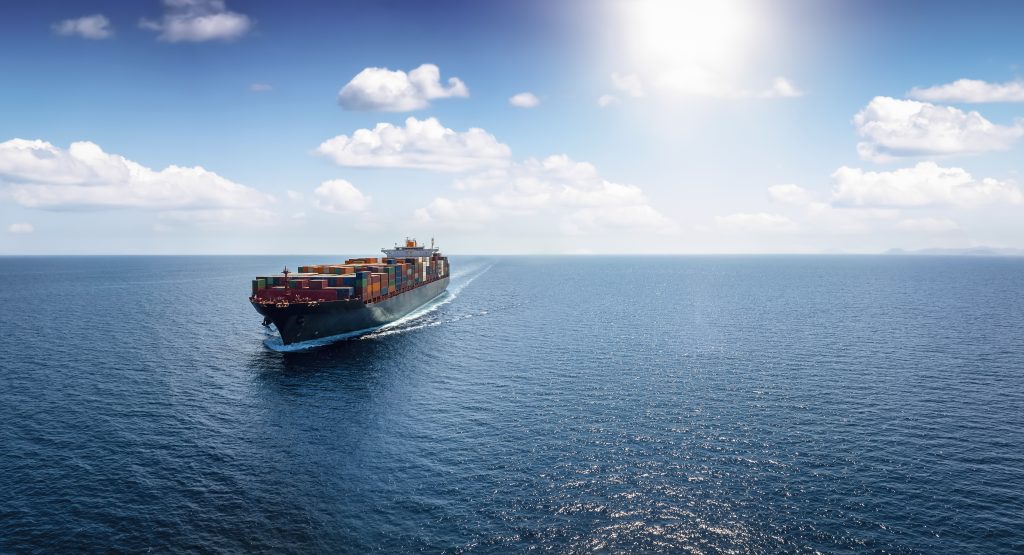
Sea freight, also known as ocean freight, is the process of transporting goods in large volumes by sea. Goods are packed into containers and loaded onto cargo ships that travel across oceans. This method is one of the most commonly used forms of international shipping.
Sea freight is ideal for businesses needing to transport large, heavy, or bulky goods. It’s especially suitable for items that don’t require fast delivery, as shipping by sea usually takes longer than by air.
There are two main types of sea freight:
- FCL Shipping (Full Container Load): You rent the whole container for your shipment.
- LCL Shipping (Less than Container Load): You share the container space with others.
Each method comes with different pricing structures and benefits, which we’ll explore in more detail later.
How Much Does Sea Freight Really Cost?
The cost of sea freight depends on several factors. It’s not just the fee to move your container from Point A to Point B. Let’s take a closer look at what makes up your shipping bill:
1. Base Ocean Freight Rate
This is the basic cost of moving your goods from one port to another. The rate usually depends on the distance, route, and the type of container used.
2. Surcharges and Fees
Additional costs may include:
- Fuel surcharges (Bunker Adjustment Factor)
- Currency adjustment fees
- Port handling charges
- Security fees
- Documentation and customs fees
These can vary depending on the shipping line and the destination country.
3. Container Size
- A 20-foot container costs less than a 40-foot container.
- If you choose FCL Shipping, you pay for the whole container regardless of whether it’s full.
- LCL Shipping charges you based on the space (in cubic meters) you use inside the container.
4. Destination Charges
Upon arrival, the cargo incurs handling and customs clearance costs at the destination port. These can differ greatly depending on the country and local rules.
Is Sea Freight More Affordable Than Other Options?
Yes, sea freight is typically cheaper than air freight, especially for large or heavy shipments. For example, if you’re shipping one ton of goods:
- Air freight might cost 5 to 6 times more than sea freight.
- Land transport (if available) might be cheaper, but it’s not practical for international shipments unless the destination is in a neighbouring country.
Let’s break it down further:
| Shipping Method | Best For | Cost | Speed |
| Sea Freight | Large, heavy, non-urgent cargo | $$ (affordable) | Slower (2-6 weeks) |
| Air Freight | Light, urgent, expensive goods | $$$$ (high) | Fast (1-5 days) |
| Road Freight | Short distances, local delivery | $ – $$ | Fast/Moderate |
Sea freight offers great savings over long distances, especially when you’re dealing with FCL Shipping or bulk sea shipments.
FCL vs. LCL: Which One Saves More?
When it comes to sea freight, the decision between FCL and LCL is important.
FCL Shipping (Full Container Load)
- You rent the entire container, whether you fill it or not.
- Ideal for large volume shipments.
- More secure, as your goods aren’t mixed with others.
- Lower cost per unit when fully loaded.
Best For: When you have enough goods to fill at least half a container.
LCL Shipping (Less than Container Load)
- You pay only for the space you use.
- Your shipment is combined with others.
- More handling = higher risk of delay or damage.
- Suitable for small or medium-sized shipments.
Best For: Small businesses or low-volume shipments.
What Affects the Cost of Sea Freight?
There are many factors that influence how much you’ll pay for sea freight. Here are the top ones:
1. Distance and Shipping Route
Longer distances generally cost more, but popular trade routes may offer better rates.
2. Seasonality
During peak seasons (like Chinese New Year or Christmas), demand rises and prices go up.
3. Weight and Volume
Sea freight is more concerned with volume (measured in CBM – cubic meters) than weight, unlike air freight.
4. Type of Cargo
Hazardous or fragile goods may need special handling or containers, increasing the cost.
5. Port Charges
Different ports have different handling fees, which affect your final bill.
6. Customs and Import Taxes
These vary by country and product type. Delays or issues at customs can also add costs.
Why Freight Forwarding Services Matter
Shipping goods internationally can be complex. This is where freight forwarding Malaysia services come in. Companies like De Hubs handle all the logistics so you don’t have to.
Here’s what they do:
- Plan shipping routes and select carriers.
- Handle paperwork and documentation.
- Consolidate shipments for LCL Shipping.
- Negotiate lower rates with shipping lines.
- Manage customs clearance and delivery.
By working with a professional freight forwarder, you save time, avoid costly mistakes, and often get better rates than going directly to a shipping line.
Tips to Reduce Sea Freight Costs
Want to save money on your next sea shipment? Here are some smart tips:
1. Plan Early
Booking early gives you access to better rates and avoids peak season charges.
2. Consolidate Shipments
If you’re using LCL Shipping, try to combine multiple small orders into one larger shipment.
3. Use the Right Container
Only use FCL Shipping if your goods fill at least half a container. Otherwise, LCL Shipping might be cheaper.
4. Partner with the Right Forwarder
Choose a trusted company like De Hubs, known for reliable and cost-effective Freight Forwarding in Malaysia.
5. Minimize Storage Time
Delays at the port can result in storage and demurrage fees. Be ready for customs clearance ahead of time.
6. Use Standard Packing
Odd-shaped or oversized goods may cost more. Stick to standard pallet sizes when possible.
Conclusion
So, is sea freight shipping expensive? Not really especially when you compare it to air freight or mishandled shipping plans. In fact, sea freight can be your most budget-friendly and reliable option, particularly for growing businesses and regular exporters.
With the support of a trusted logistics partner like De Hubs, a leading name in freight forwarding Malaysia, you can ship smarter and more affordably. Ready to reduce your shipping costs and streamline your freight process? Contact De Hubs today and let sea freight work for your business.
Find more about: