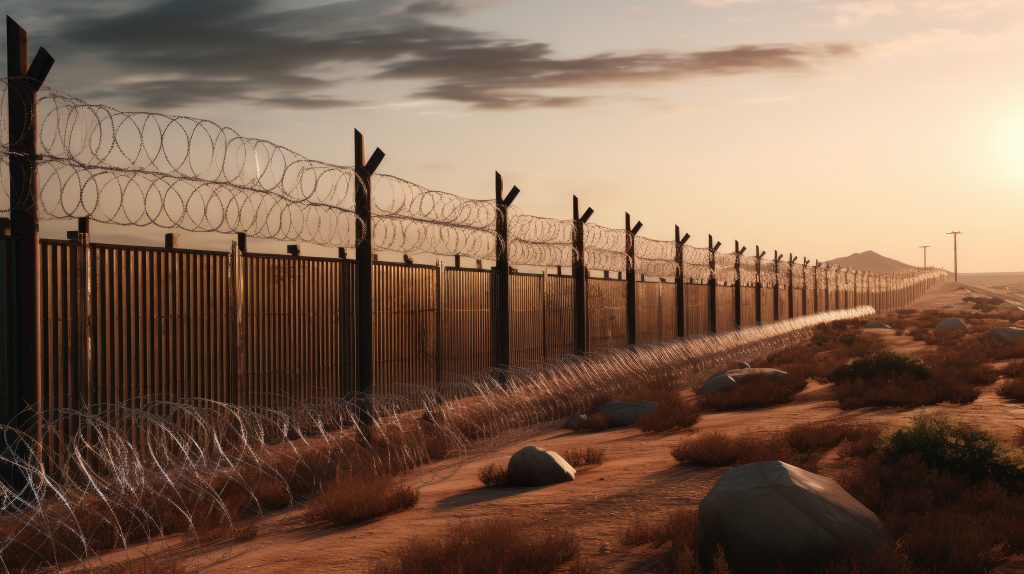
When it comes to protecting your property, security fencing is a critical first step. Whether you’re a homeowner aiming to keep your family safe or a business owner safeguarding valuable assets, a well-constructed security fence can make all the difference. In this article, we’ll explore the various ways security fencing enhances property safety and why it’s an investment worth considering.
The Importance of Security Fencing
Security fencing serves as a physical barrier that deters unauthorized access and potential threats. It establishes a clear boundary, indicating where public access ends and private property begins. This not only helps prevent trespassing but also sends a strong message that security measures are in place.
Deterring Intruders
One of the primary functions of security fencing is to deter intruders. A tall, robust fence is often enough to make potential intruders think twice before attempting to enter your property. Many intruders are opportunistic and will look for easy targets. A secure fence presents a challenge that can persuade them to move on to less protected properties.
Enhancing Privacy
In addition to keeping unwanted visitors out, security fencing also enhances privacy. This is particularly important for residential properties where homeowners value their personal space. A high-quality fence prevents prying eyes from peering into your property, allowing you to enjoy your home without feeling exposed.
Types of Security Fencing
There are several types of security fencing available, each offering varying levels of protection and aesthetic appeal. Choosing the right type for your property depends on your specific needs and budget.
Chain Link Fencing
Chain link fencing is a popular choice for both residential and commercial properties due to its affordability and durability. While it may not offer as much privacy as other options, it is effective in keeping intruders out. Adding barbed wire or razor wire can further enhance its security.
Wrought Iron Fencing
For those who value aesthetics as much as security, wrought iron fencing is an excellent option. This type of fencing is not only strong and durable but also adds an elegant touch to any property. The intricate designs and tall structures make it difficult for intruders to climb over, enhancing overall security.
Wooden Fencing
Wooden fencing provides both privacy and security, making it a popular choice for residential properties. While it may require more maintenance than metal options, it offers a warm, natural look that blends well with various landscapes. With the right design and height, wooden fences can be just as effective in deterring intruders.
Electric Fencing
For maximum security, electric fencing is a powerful option. It delivers a non-lethal shock to anyone who attempts to breach it, serving as a highly effective deterrent. Electric fences are commonly used in high-security areas, such as prisons and military bases, but can also be adapted for residential and commercial use.
Additional Benefits of Security Fencing
Beyond safety fencing and privacy, security fencing offers several additional benefits that make it a worthwhile investment.
Boosting Property Value
A well-maintained security fence can increase the overall value of your property. Potential buyers often see a secure fence as a valuable asset, especially in areas where crime rates are a concern. Investing in quality fencing can pay off in the long run by boosting your property’s market appeal.
Reducing Liability Risks
Security fencing can also reduce liability risks. By keeping unauthorized individuals off your property, you minimize the chances of accidents or injuries occurring, which could lead to costly legal issues. This is particularly important for businesses that may face lawsuits from trespassers getting injured on their premises.
Controlling Access
With secure fencing, property owners have better control over who enters their premises. By installing lockable gates, you can ensure that only authorized individuals have access. This is especially beneficial for businesses that need to safeguard sensitive areas or expensive equipment.
Choosing the Right Security Fence
Selecting the right security fence involves considering several factors. Here are some key points to keep in mind:
Assess Your Security Needs
Before installing a fence, evaluate your property’s security needs. Consider the level of threat in your area and the specific vulnerabilities of your property. This will help you determine the type and height of the fence that will best suit your needs.
Consider Local Regulations
Be sure to check local regulations and zoning laws before installing a fence. Some areas have restrictions on fence height, materials, and placement. Adhering to these rules will prevent potential legal issues down the line.
Budget and Maintenance
Consider your budget and the level of maintenance you’re willing to commit to. While some materials may have a higher initial cost, they could offer lower maintenance and longer lifespan, making them more cost-effective in the long run.
Professional Installation
For optimal security, it’s recommended to have your fence professionally installed. A skilled installer will ensure the fence is erected correctly and securely, providing maximum protection for your property.
Conclusion
Security fencing is an essential component of property safety. It not only deters intruders and enhances privacy but also adds value to your property and reduces liability risks. By choosing the right type of fence and ensuring professional installation, you can protect your home or business effectively. Whether you’re looking for a simple chain link fence or a sophisticated wrought iron design, investing in quality security fencing is a step towards a safer and more secure property.
Investing in a high-quality solution from W&C Engineering ensures that your property remains secure, giving you peace of mind for years to come.
If security is your priority, anti-climb fencing is undoubtedly the better choice. Contact W&C Engineering today to find the perfect fencing solution for your property.
Find more about Anti-Climb Fencing vs. Traditional Fencing: Which One is Better?